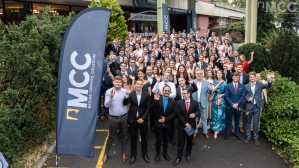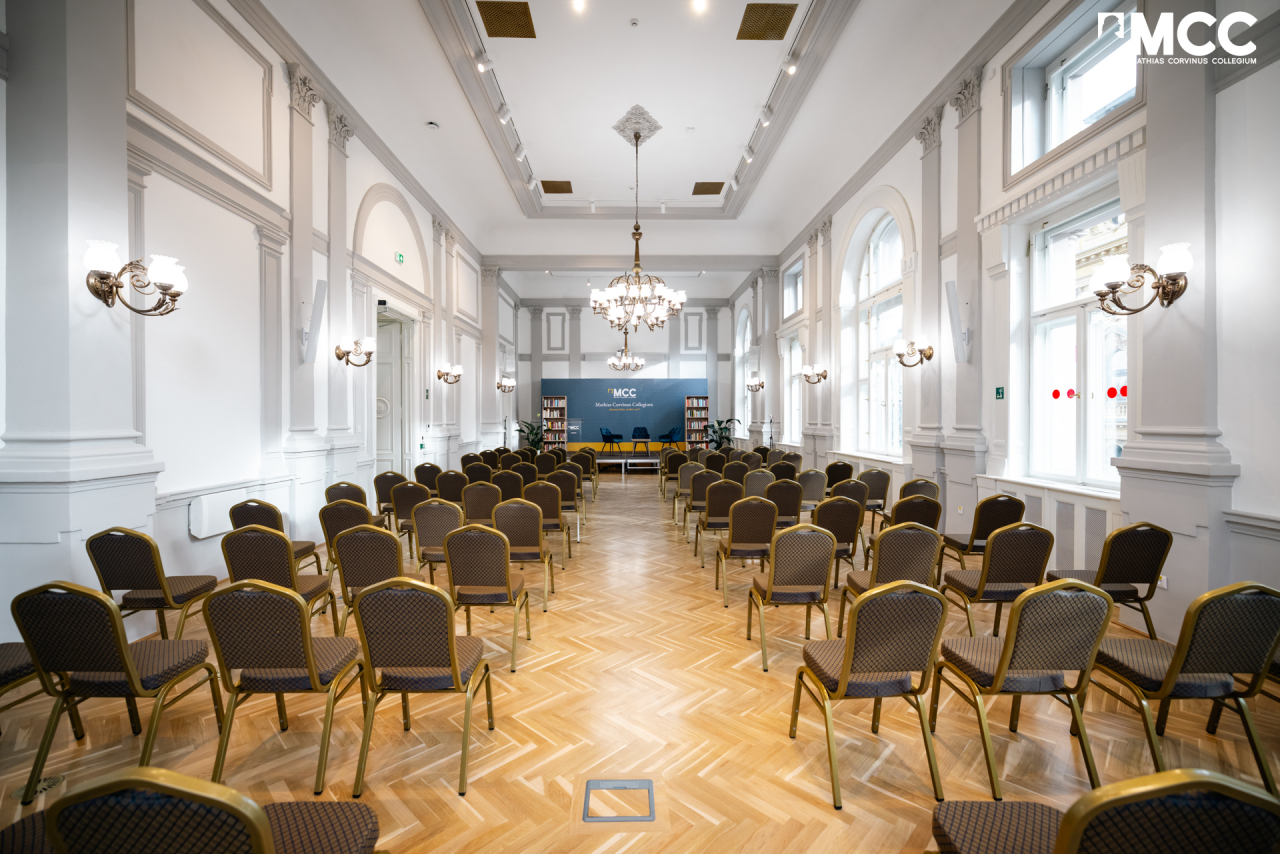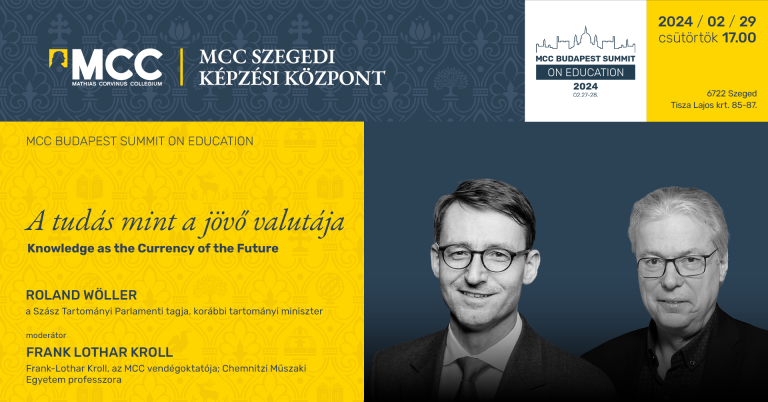
From the very first minutes of the conference, it became clear that the global drug epidemic is a current and pressing issue: it destroys families, weakens communities, and undermines the stability of entire societies. The MCC Budapest Summit on the Global Drug Epidemic, which opened on 18 November, examines an international problem that is spreading faster than most countries can respond. Scientific and governmental experts from around the world gathered to jointly analyze the increasingly severe health, security, and cultural consequences of the drug crisis.
The third annual conference of the International Network for Immigration Research (INIR) took place in Washington, D.C., hosted at the Conservative Partnership Institute under the title “Regaining Control: An International Conference on Borders, Asylum, and Immigration Enforcement.” Organized by NumbersUSA, the Federation for American Immigration Reform (FAIR), the Center for Immigration Studies (CIS), Israel’s Immigration Policy Center, France’s Immigration and Demography Observatory, and the Migration Research Institute, the event brought together researchers and policymakers from across the Western world to discuss the future of migration and border policy.
Experts, policymakers and analysts gathered in central Brussels on Monday evening for a high-profile debate titled “Empire of Law: The EU’s March Beyond Democracy.” The event hosted by MCC Brussels, brought together prominent voices who warned that the European Union is undergoing a steady shift toward centralised power that threatens national sovereignty and democratic accountability.
The second day of the MCC Budapest Summit focused on the global drug crisis through a series of keynotes and panels touching on personal testimony, international security, organized crime, and the social costs of addiction.