In particular, the introduction of a 20–30% tariff on EU goods, later revised to a uniform 15% following high-stakes negotiations between US officials and European Commission President Ursula von der Leyen, has become a key point of contention. A notable part of this agreement was the establishment of a “zero-to-zero” category, which eliminates tariffs on key products such as aircraft and aircraft components, highlighting the complexity of the negotiations and the conflicting interests involved.
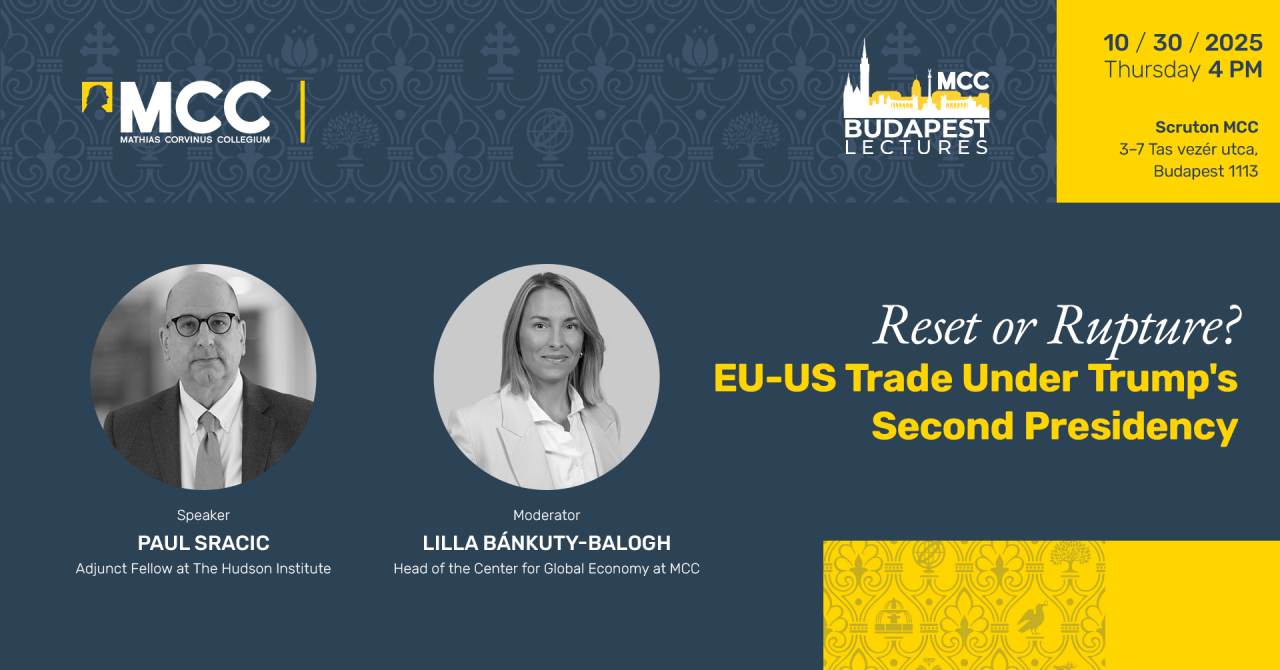
This discussion will feature Paul Sracic, an expert in international trade and U.S. foreign policy, who will focus on the political and economic implications of these new tariffs for the US and EU, including the hardest-hit sectors such as automotive, aerospace, and agriculture.
Sracic will also reveal the long-term sustainability of the current tariff framework and assess the likelihood of future escalation or de-escalation. Furthermore, the presentation will explore the strategic responses of the European Union, including potential retaliatory measures, new trade partnerships, and diplomatic efforts to mitigate tensions. Finally, Sracic will consider what to expect during the remainder of Trump’s second term, analyzing the motivations driving his trade agenda and broader implications for global trade.
With years of experience in political analysis and economic policy, Sracic will offer a deep dive into the potential outcomes of these trade negotiations and what they mean for the future of transatlantic relations.
Join us for an insightful discussion on the shifting nature of EU-US trade relations and the broader global implications.
 October 30, 2025
 4:00 PM
 Scruton MCC