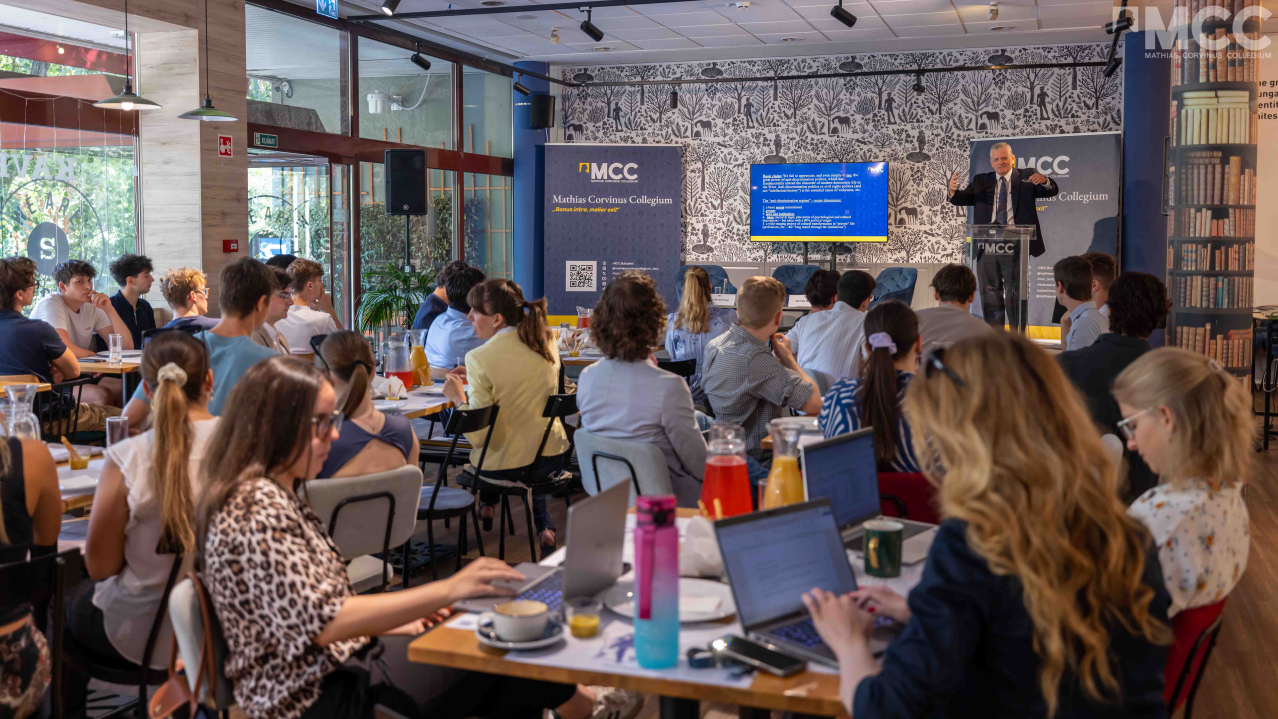
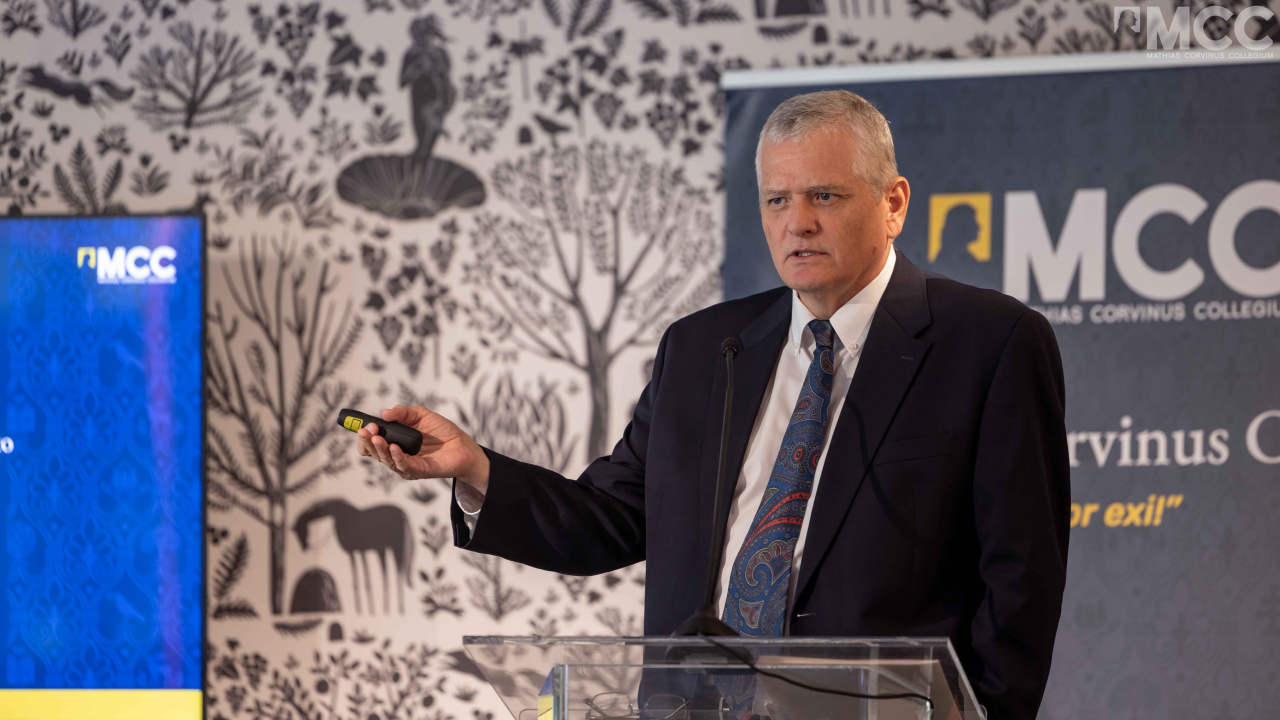
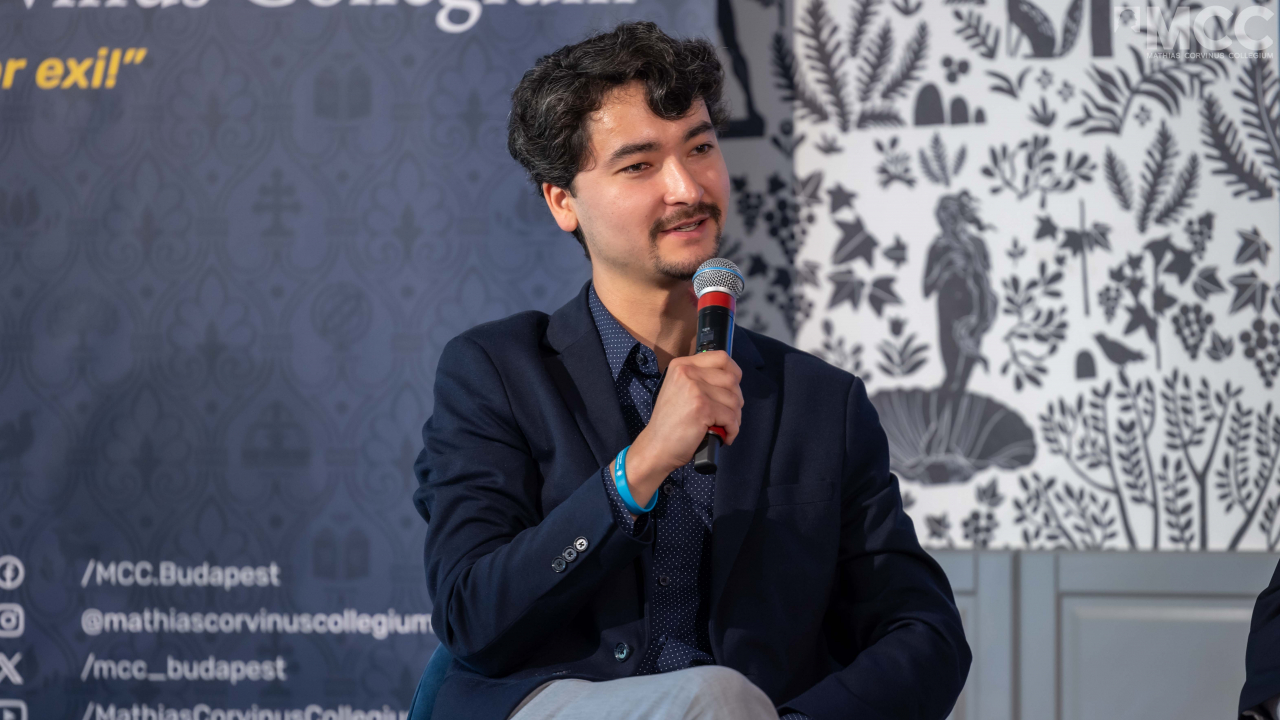
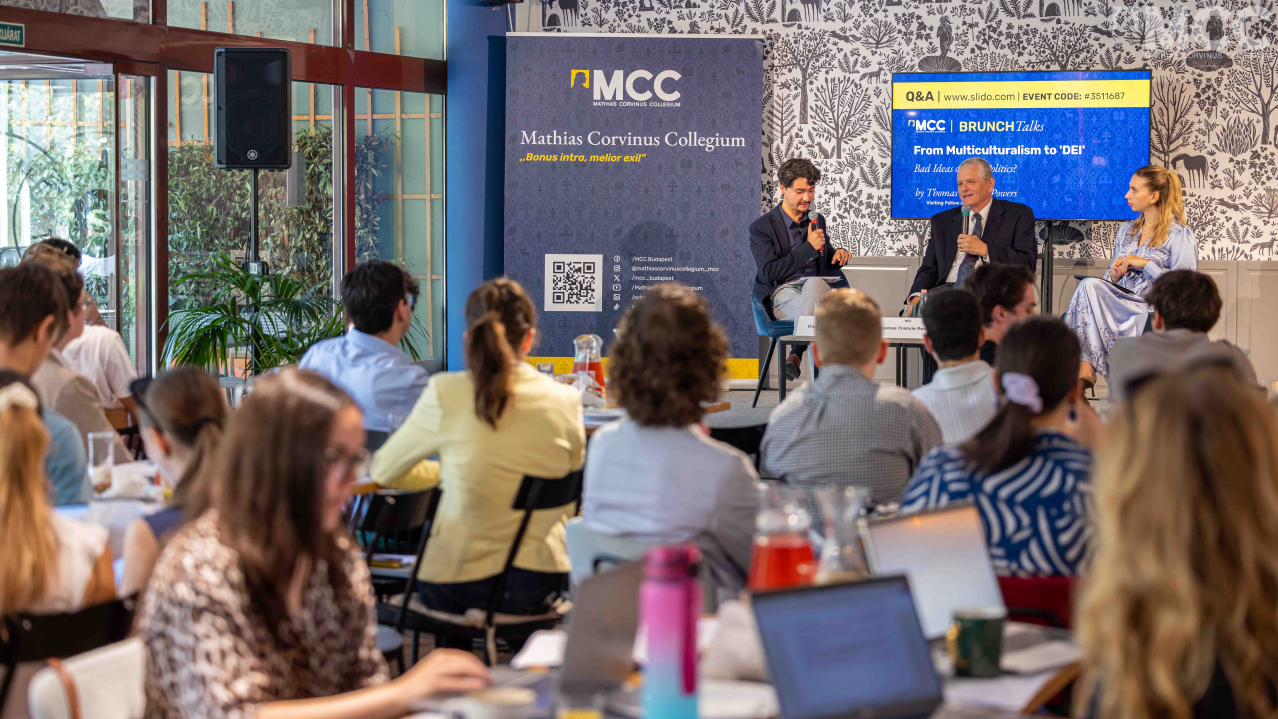
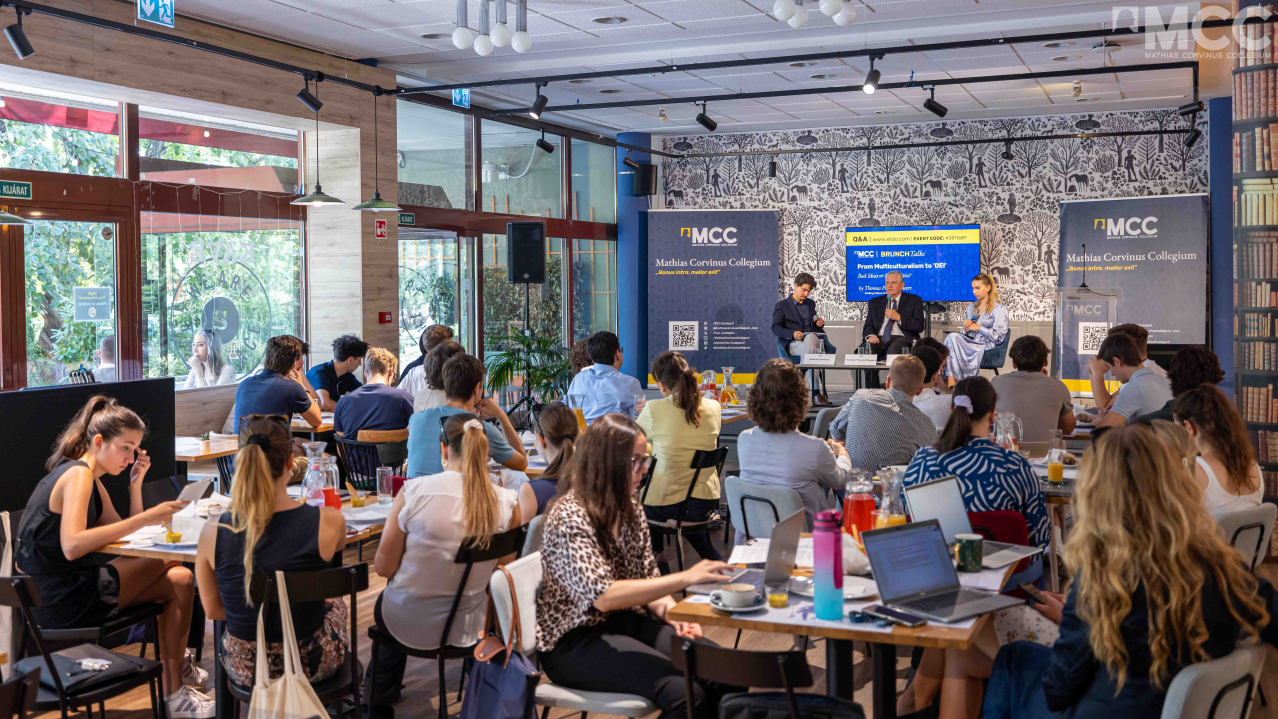
At the latest Brunch Talk event, MCC Visiting Fellow Thomas Francis Powers offered a provocative analysis of the roots and consequences of contemporary debates surrounding multiculturalism, political correctness, and critical race theory.
Powers argued that these disputes all stem from a common source: “a commitment against discrimination.” He suggested that society often fails to recognize the profound influence of anti-discrimination politics, which, in his view, has fundamentally reshaped modern democratic life in the West.
Rather than tracing so-called “wokeness” to postmodernism or Marxism, Powers located its origins in the civil rights politics of the mid-20th century—especially the transformative legacy of the 1964 Civil Rights Act. While he stressed that he was not critical of the civil rights movement itself, he warned that the law’s reach has expanded far beyond its original scope. Today, he noted, its influence extends into the arts and humanities, national parks, immigration policy, and corporate HR departments, where the boundaries between public and private life increasingly blur and “the private becomes the enforcer of public will.”
In this context, diversity training programs often take on a “preachy and moralizing” tone, Powers observed, reflecting what he described as an “ever-expanding, pervasive” regime of anti-discrimination law. His remarks sparked discussion about the balance between protecting individual rights and preserving the integrity of democratic institutions in the West.