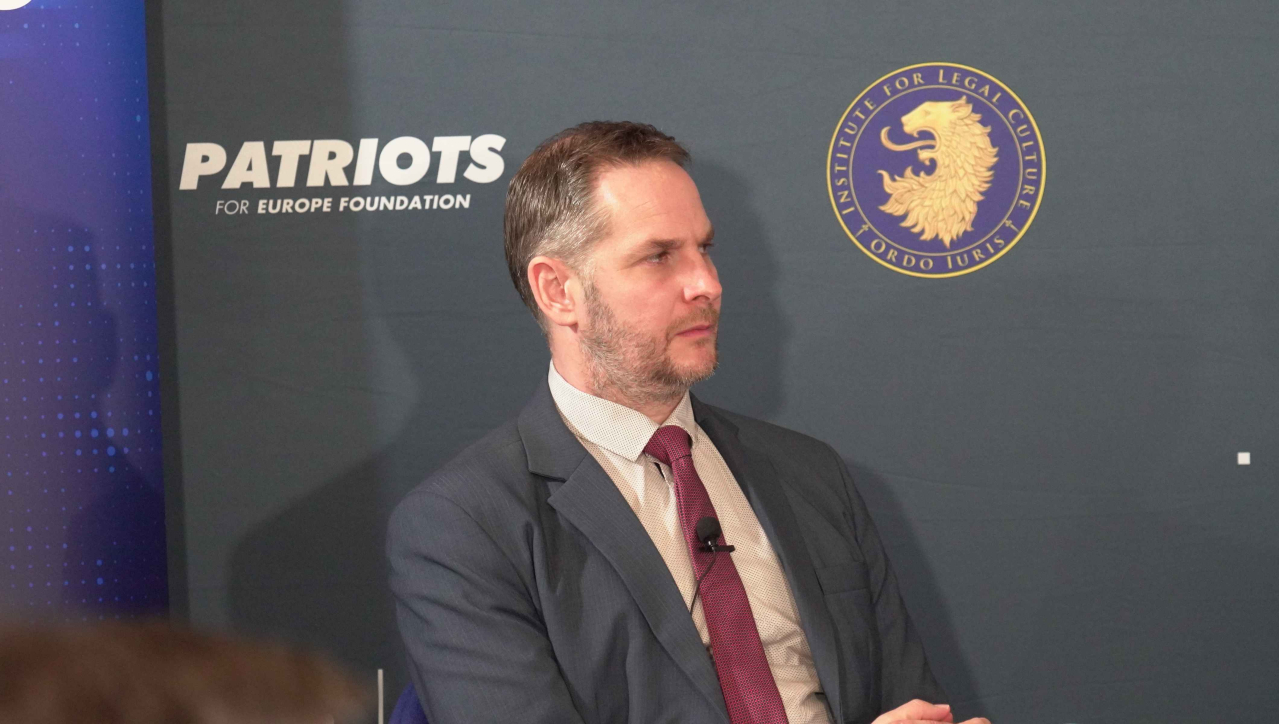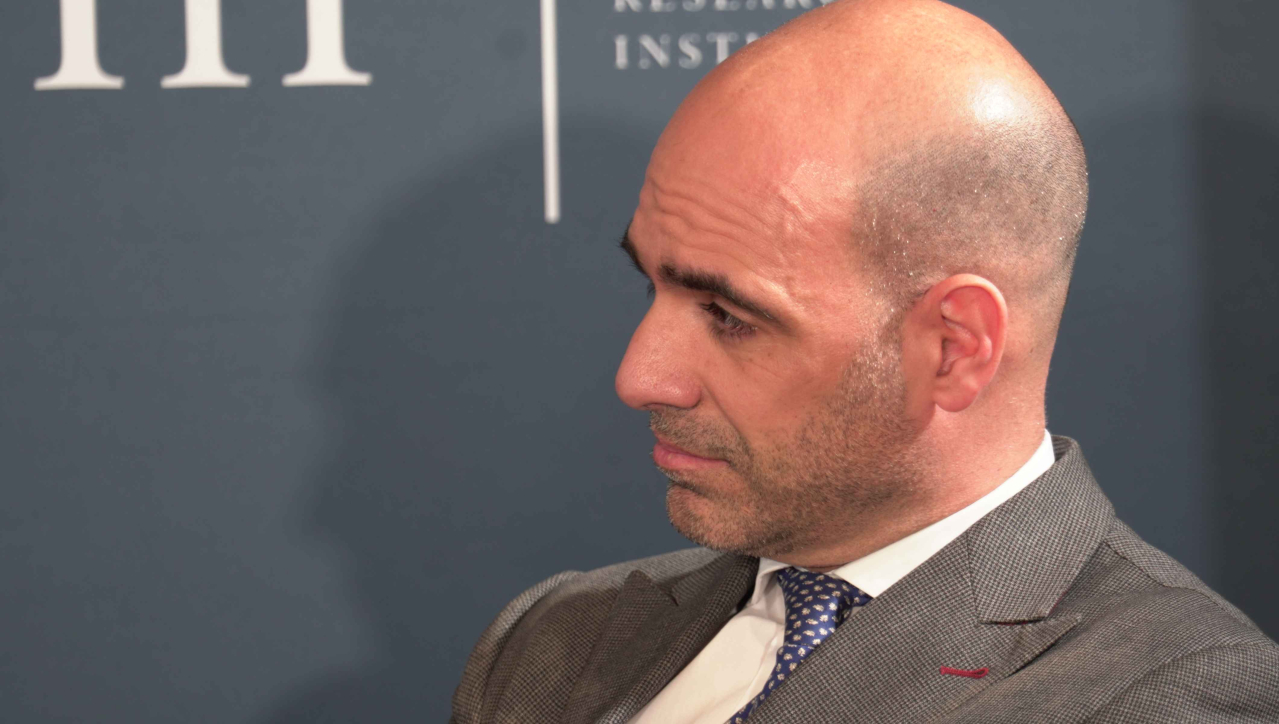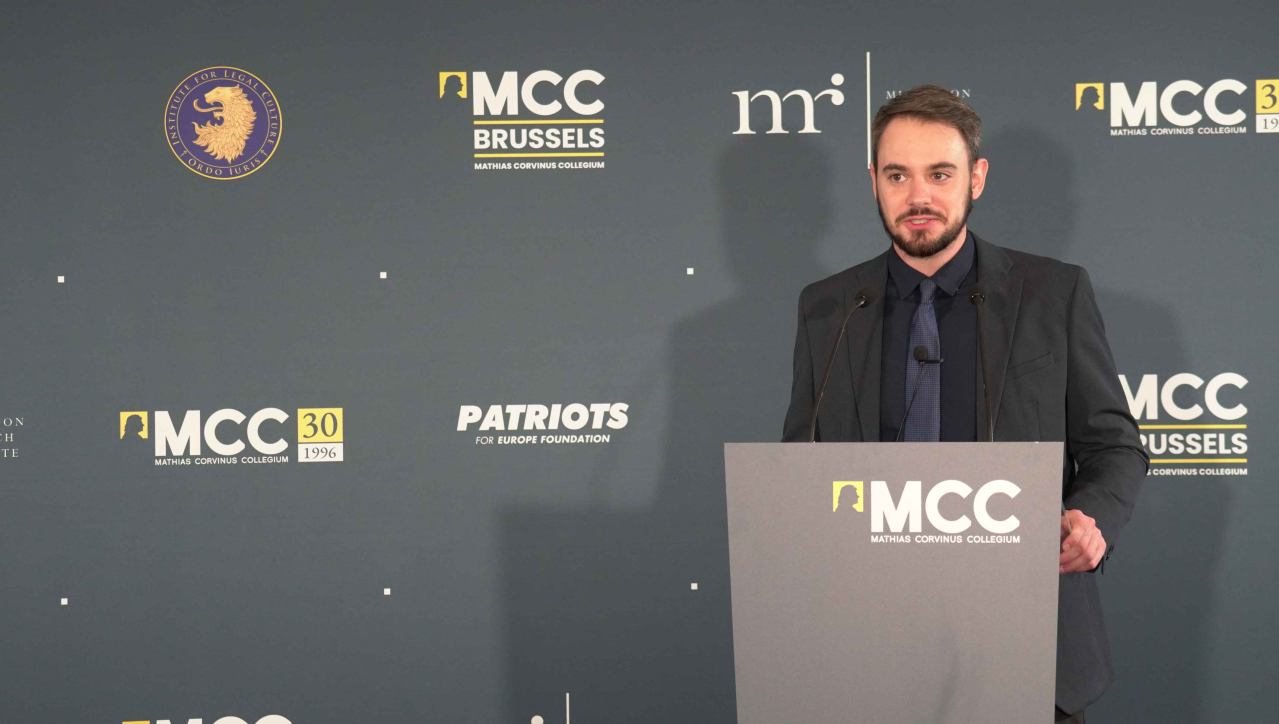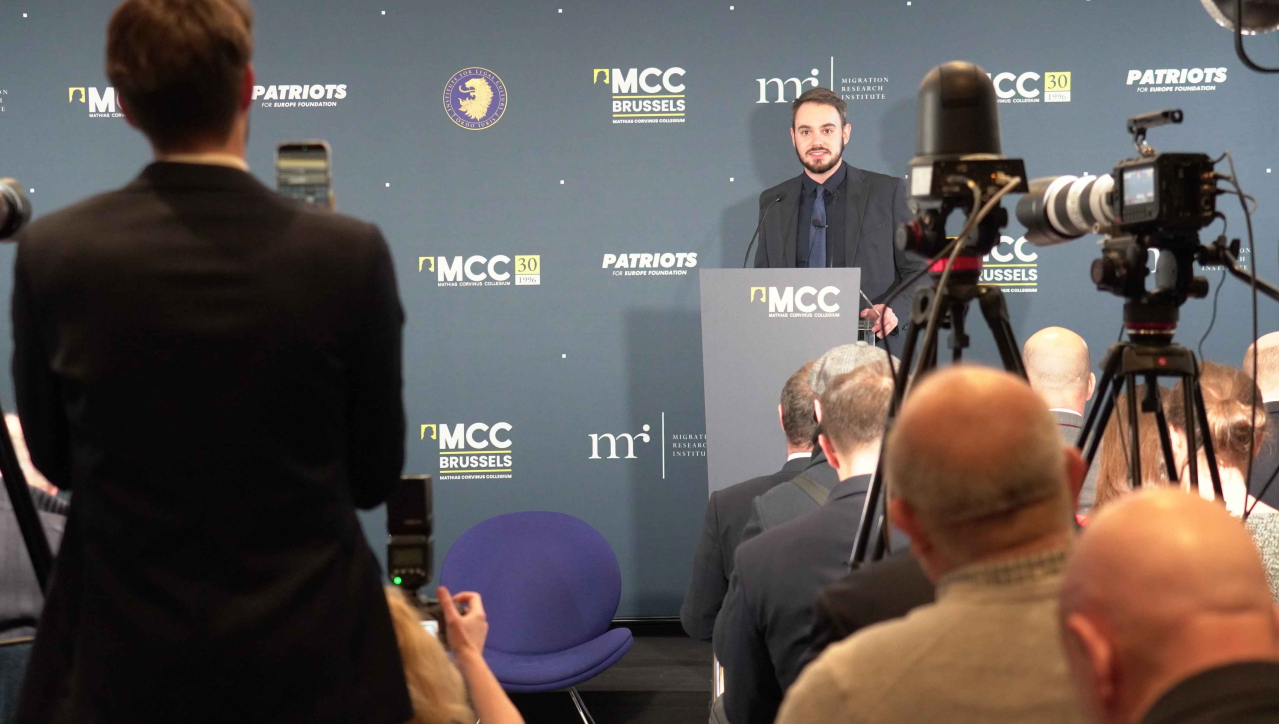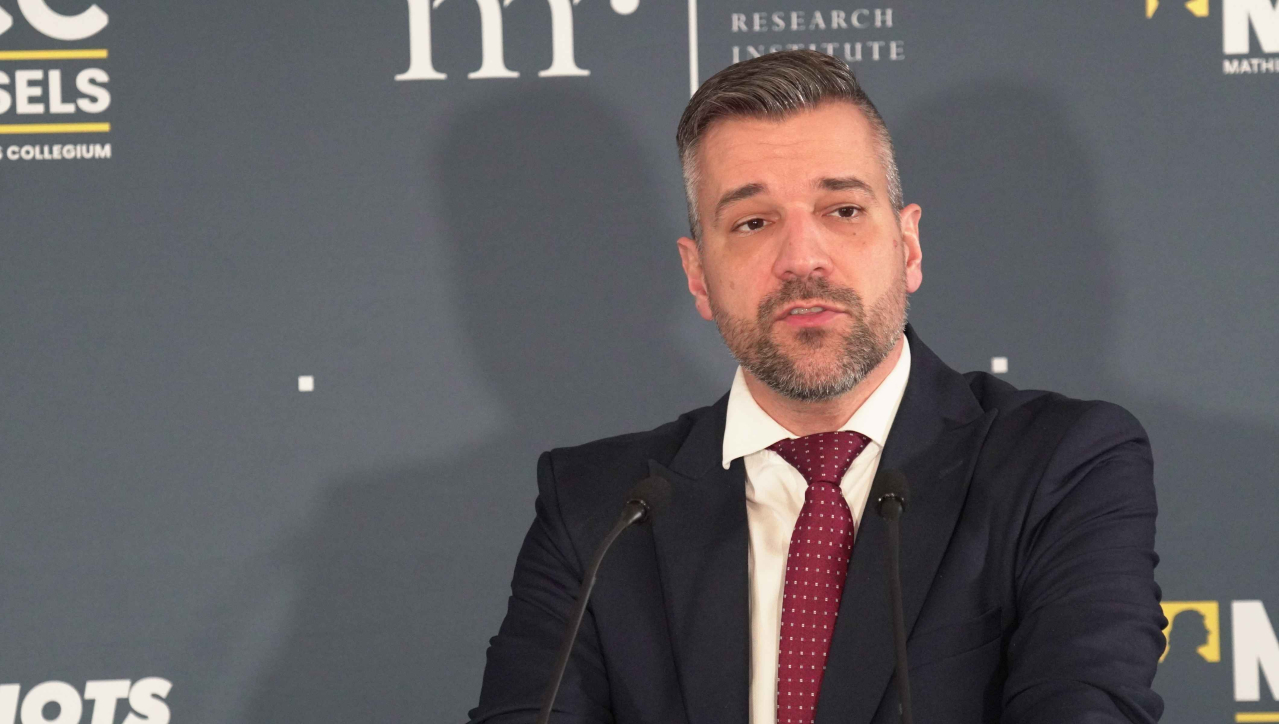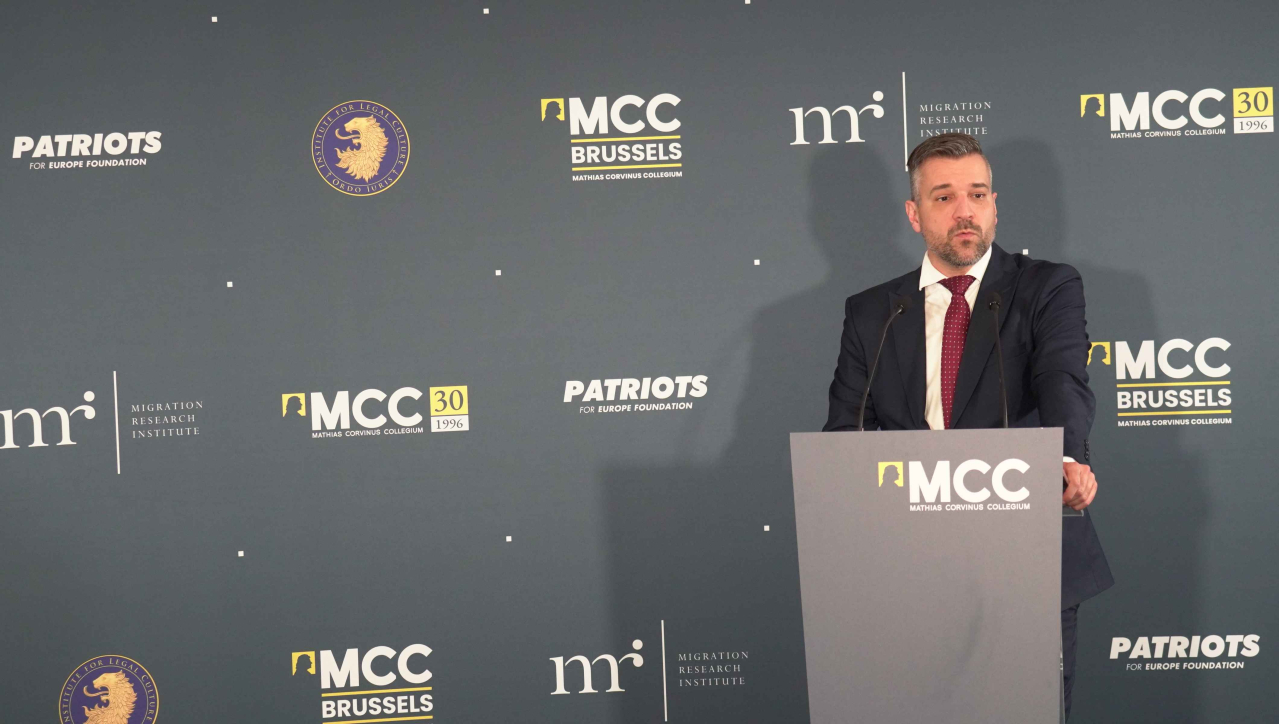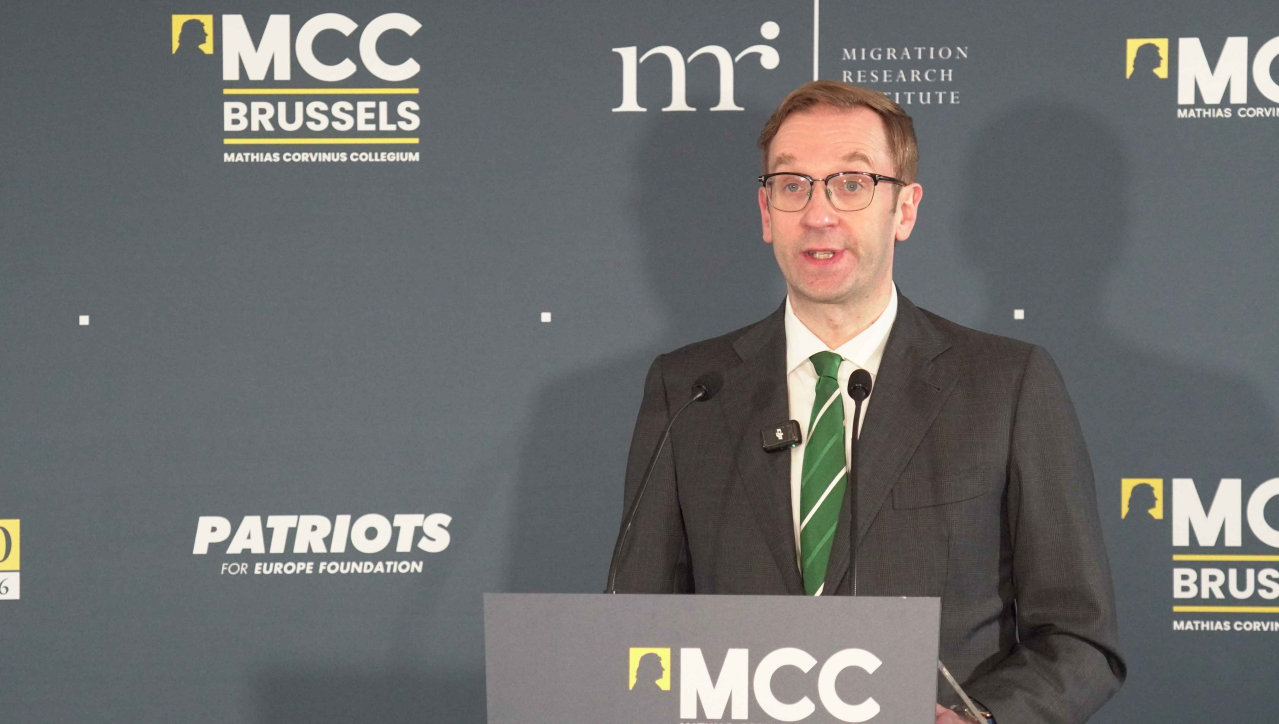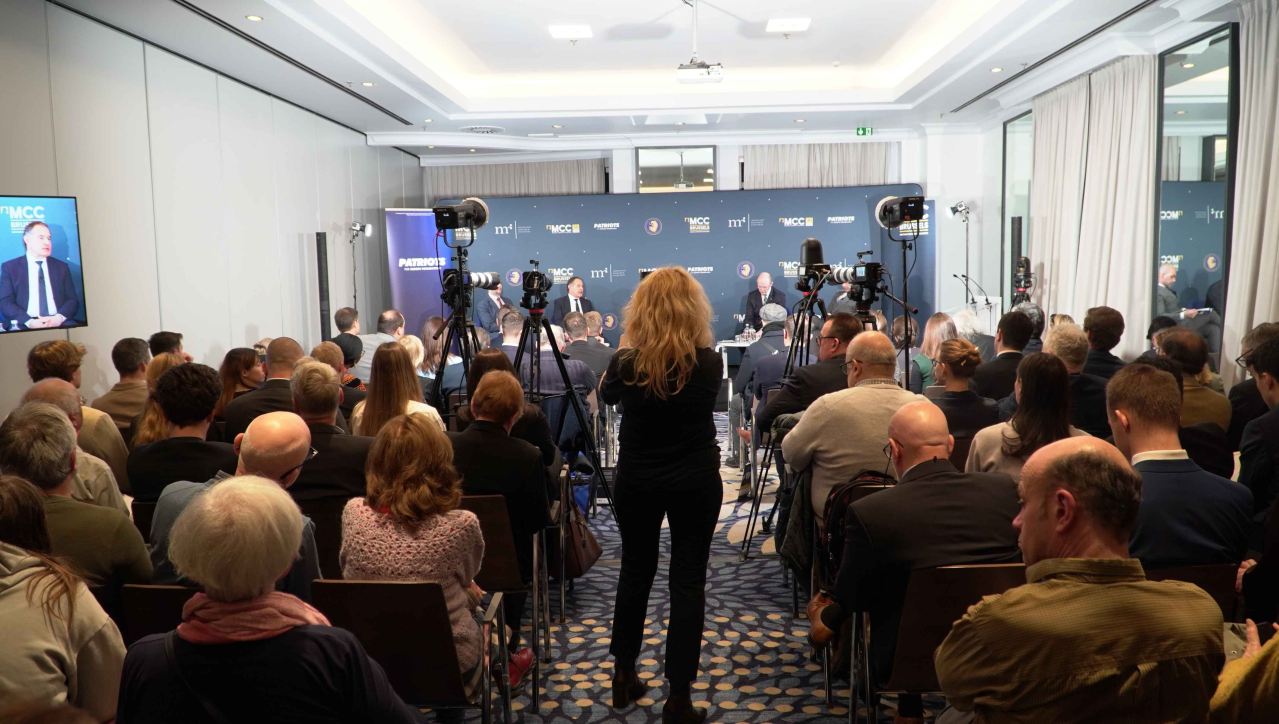
A conference held on March 4 in Brussels examined the future of European migration and asylum policy and the possibility of returning greater authority to national governments. The event, titled Taking Back Control From Brussels: The Renationalization of EU Migration and Asylum Policies, brought together policymakers and experts to discuss the structural challenges facing the European Union’s migration framework. The discussion featured Rodrigo Ballester, Head of MCC’s Center for European Studies, Viktor Marsai, Executive Director of the Migration Research Institute, Jerzy Kwaśniewski, President and Co-founder of the Ordo Iuris Institute, and Fabrice Leggeri MEP, member of the Patriots for Europe Foundation and former Director of Frontex. The conversation was moderated by Róbert Gönczi, analyst at the Migration Research Institute. The event was co-funded by the European Parliament.
The conference was opened by Zoltán Szalai, Director General of MCC, and András László, Member of the European Parliament and President of the Patriots for Europe Foundation. In his opening remarks, Szalai noted that migration has long been part of Europe’s history but argued that the scale of recent migration flows has created new challenges for the continent. Referring to Eurostat data, he pointed out that approximately 7.4 million asylum seekers have entered the European Union illegally since 2014, while only around a quarter of illegal migrants have been deported. He presented a joint action plan developed by the Migration Research Institute, MCC’s Center for European Studies, and Ordo Iuris that proposes restoring greater national control over migration and asylum policy.
In his remarks, András László emphasized what he described as the contradictions of current European migration policy. More than a decade after the migration crisis began, only about 20 percent of illegal migrants have been deported from the EU. He also referred to the upcoming EU Pact on Migration and Asylum, which will introduce solidarity mechanisms among member states, including financial penalties for countries that refuse migrant quotas. According to László, migration policy should remain primarily within the competence of national governments.
During the round table discussion, participants examined the political, legal, and security dimensions of migration policy. Rodrigo Ballester highlighted the growing influence of NGOs and the impact of judicial decisions on migration governance. Jerzy Kwaśniewski argued that current European policy is based on the assumption that mass migration is inevitable and beneficial, calling for a new policy paradigm.
Fabrice Leggeri emphasized the institutional challenges facing border management agencies and argued that stronger political will is needed to protect the EU’s external borders. Viktor Marsai focused on the security implications of migration, noting the connections between migration flows, organized crime, and terrorism, and stressing that migration policy must also be viewed through the lens of public safety.
The debate also addressed whether migration policy would function more effectively if more authority were returned to member states. Speakers referred to examples such as Denmark and Ireland, which retain greater flexibility in shaping their own migration systems. Participants agreed that effective border control and migration management are closely connected to national sovereignty and public trust.
The discussion concluded with questions from the audience on humanitarian law, integration policies, and the broader political context of migration in Europe.