The MCC Budapest Summit brought together international scholars, policymakers, and experts in Budapest to discuss the future of Western civilization under the theme Reclaiming the West. Over two days of keynote speeches and panel discussions, the conference addressed key challenges facing Europe and the wider Western world, including sovereignty, security, migration, culture, and economic competitiveness.
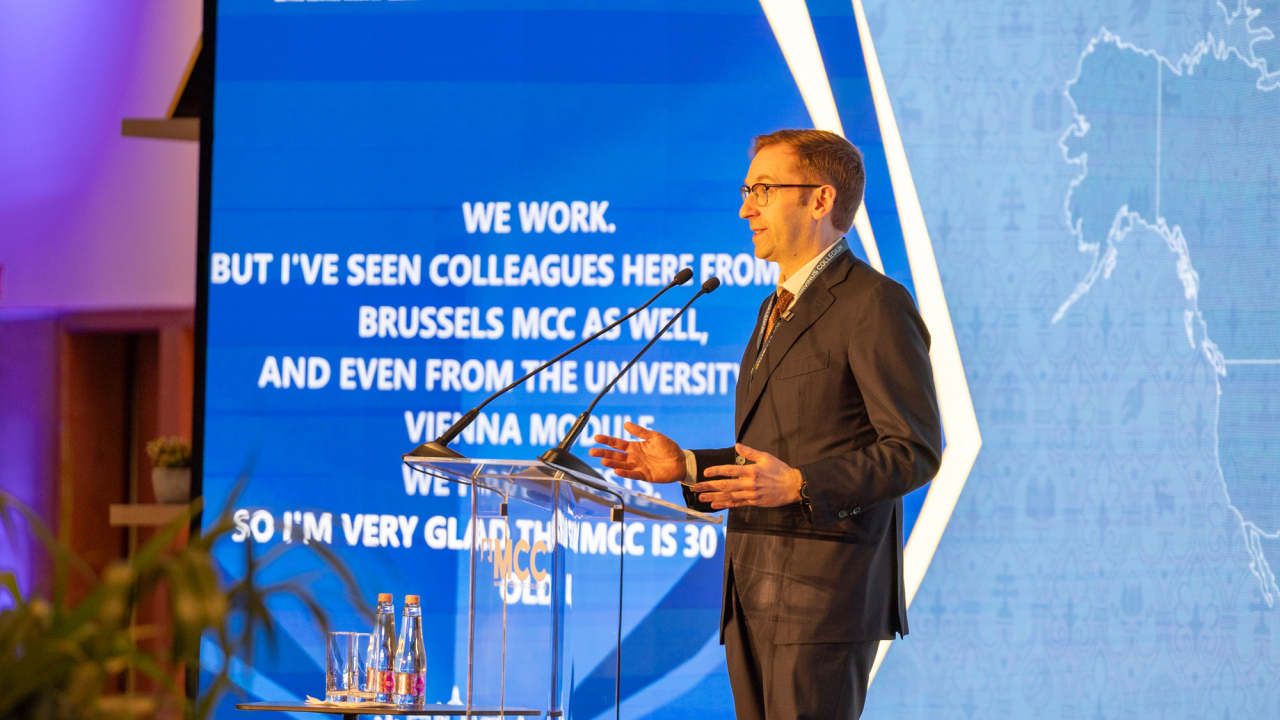
Opening the summit, Zoltán Szalai, Director General of MCC, emphasized that the cultural inheritance of the West must be preserved and passed on to future generations. He highlighted Europe’s traditions, freedoms, and historical legacy, stressing the importance of ensuring that future generations grow up in a West capable of building new achievements while remembering its past.
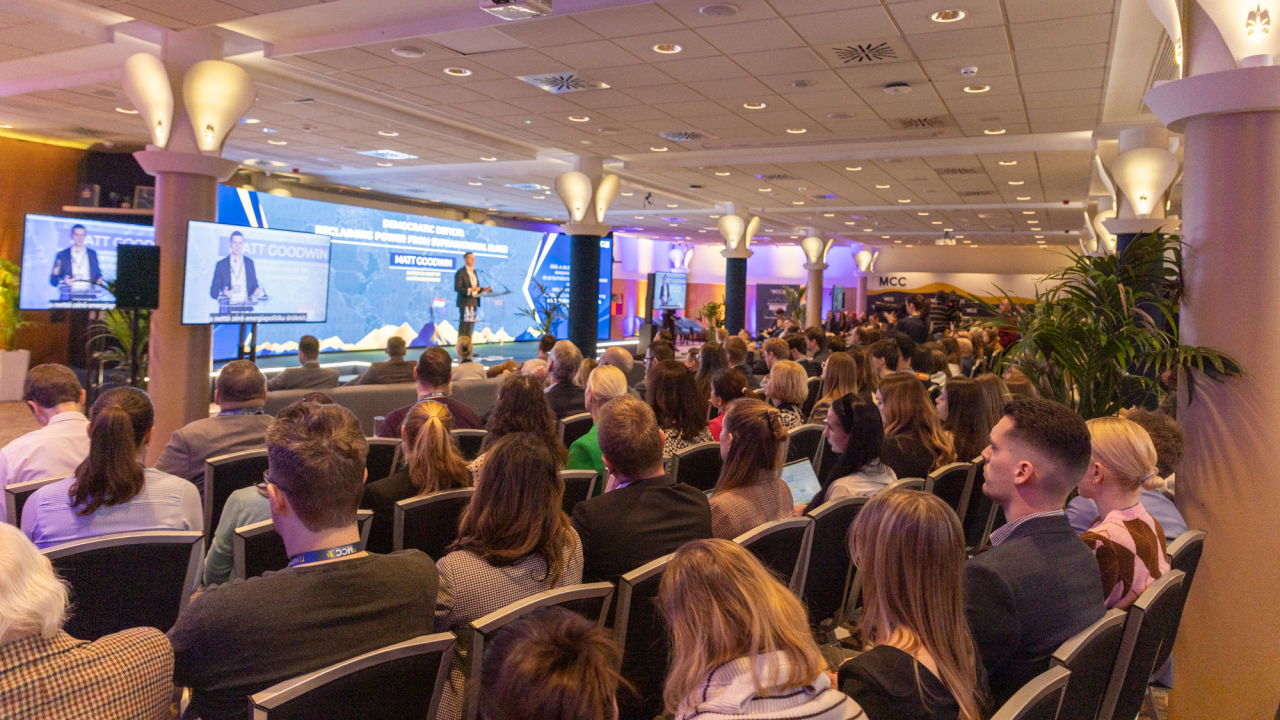
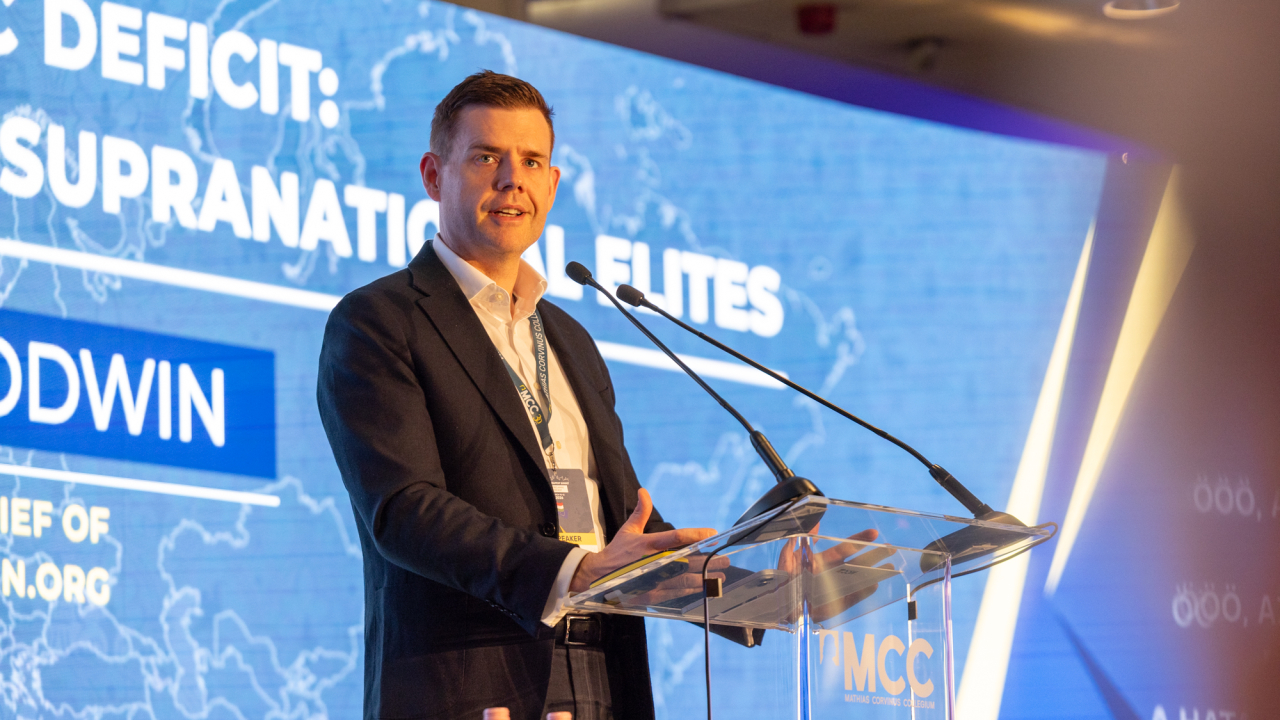
The first keynote was delivered by Matt Goodwin, Editor-in-Chief of Mattgoodwin.org, who argued that Western societies are facing a growing crisis of democratic accountability. He spoke about the erosion of national sovereignty, declining public trust in institutions, and the widening gap between political elites and national communities.
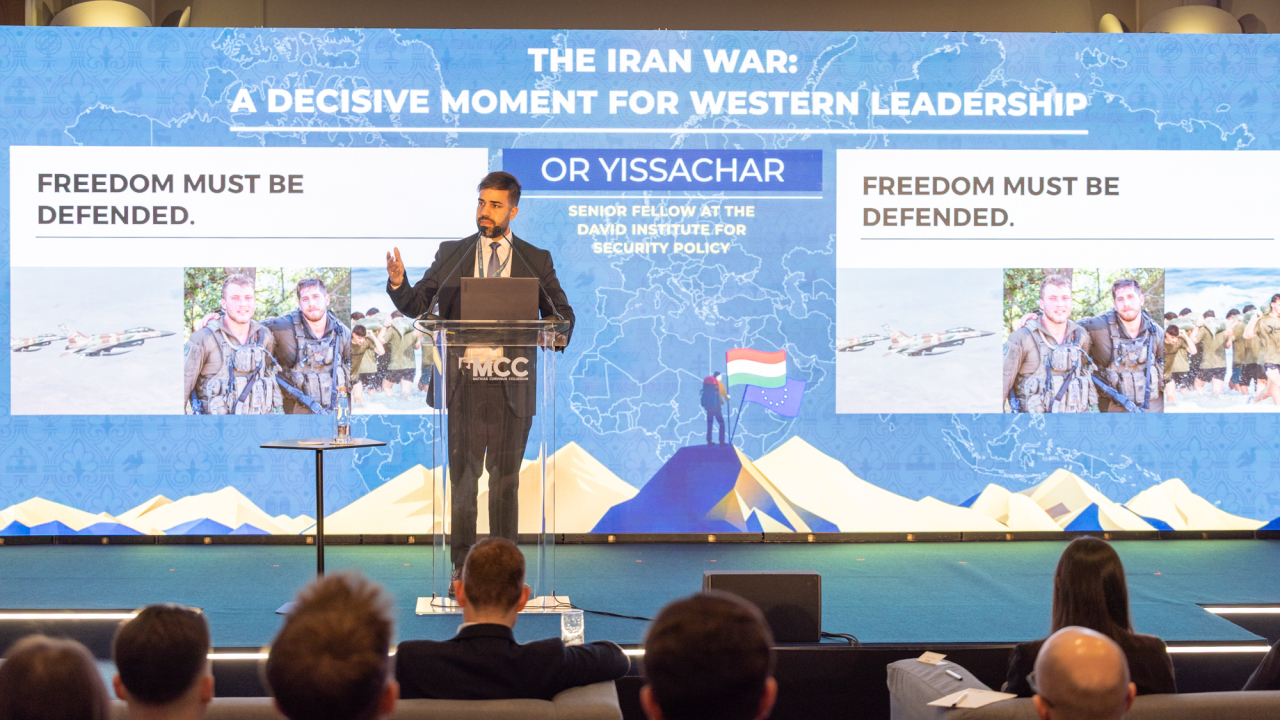
In the second keynote, Or Yissachar, Senior Fellow at the David Institute for Security Policy, addressed the war with Iran as a decisive moment for Western leadership. He emphasized that freedom must be actively defended and highlighted the strategic challenges posed by the Iranian regime to both the Middle East and Europe.
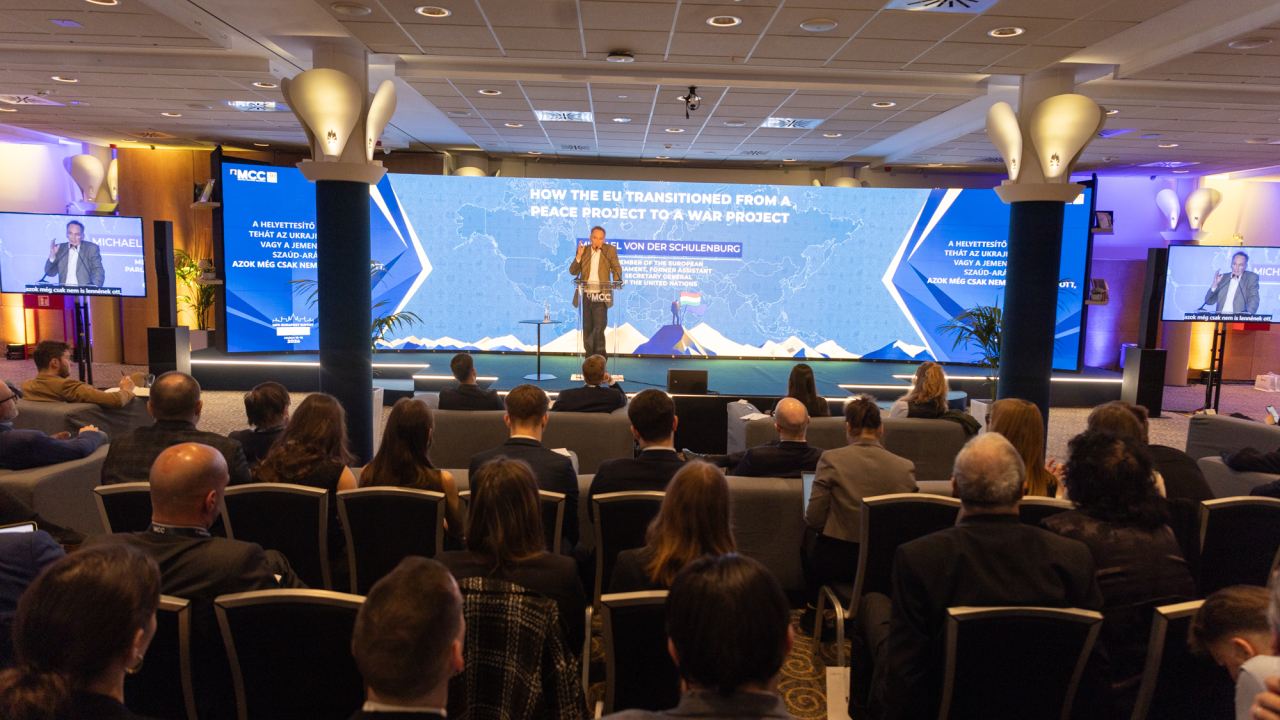
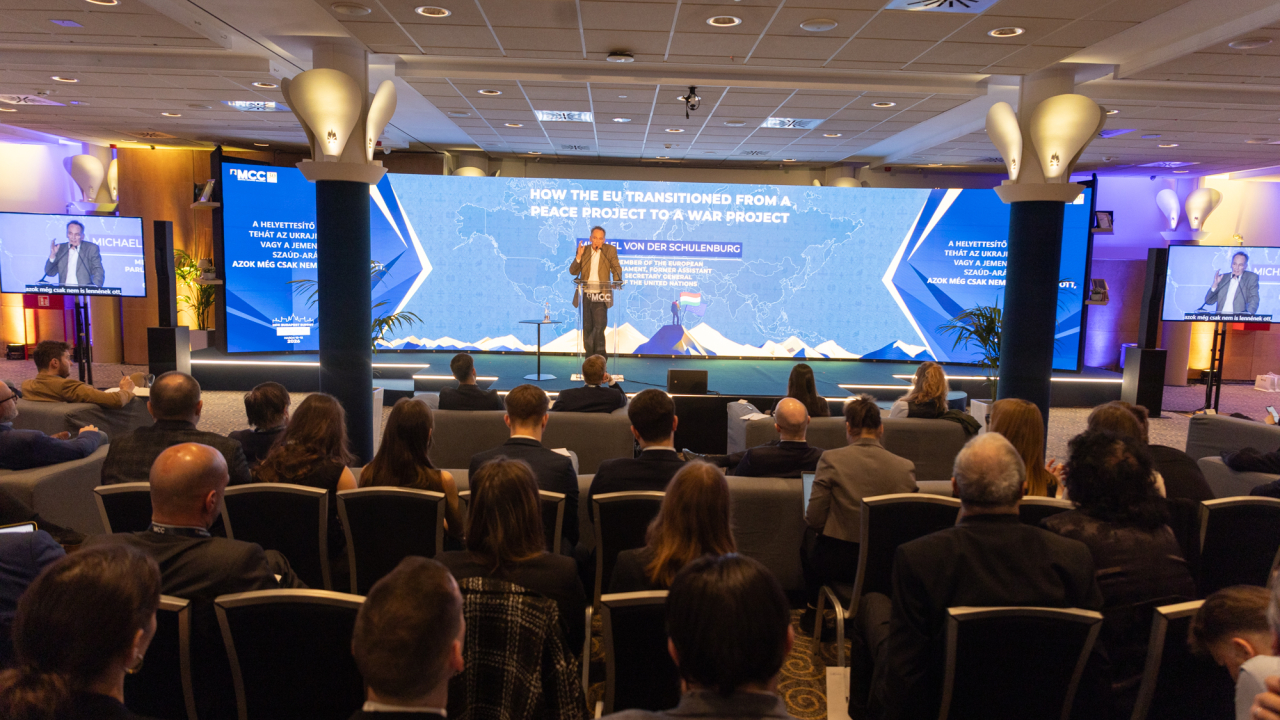
A featured conversation between Michael von der Schulenburg, Member of the European Parliament and former Assistant Secretary General of the United Nations, and Zoltán Szalai examined how the European Union has evolved from a peace project into an increasingly geopolitical actor. Schulenburg stressed the importance of sovereign equality, dialogue, and diplomacy in resolving international conflicts.
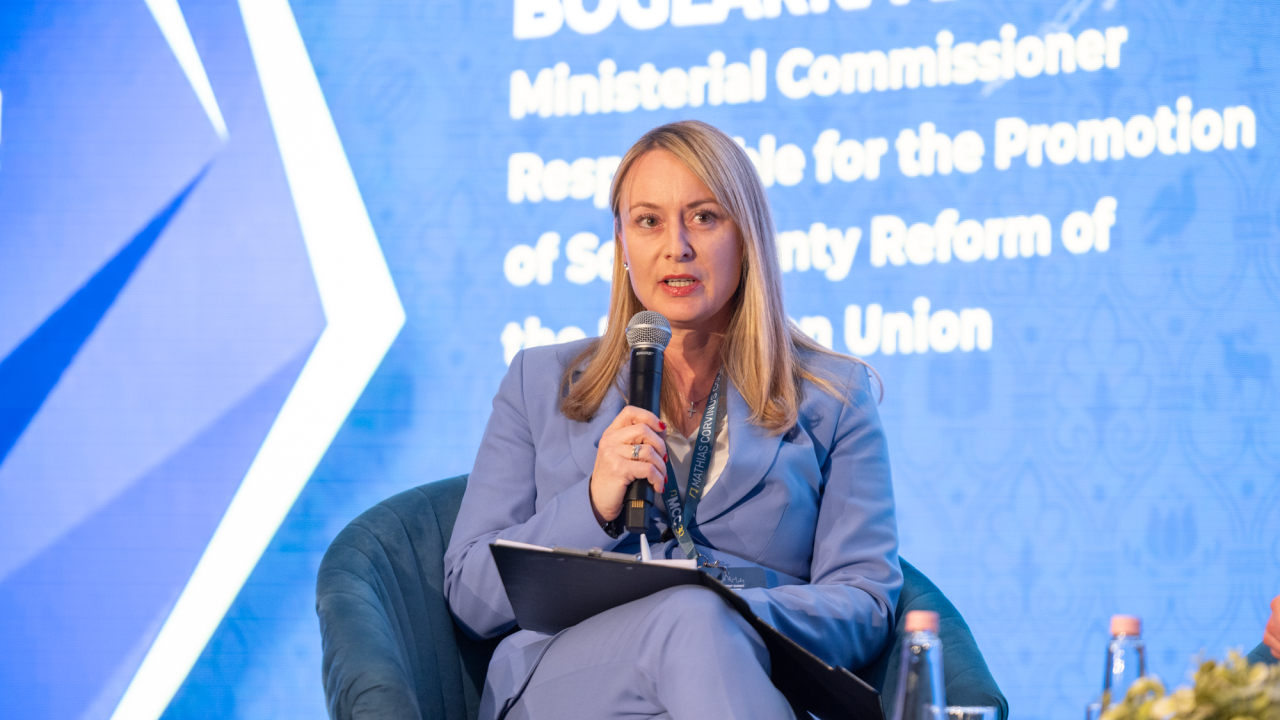
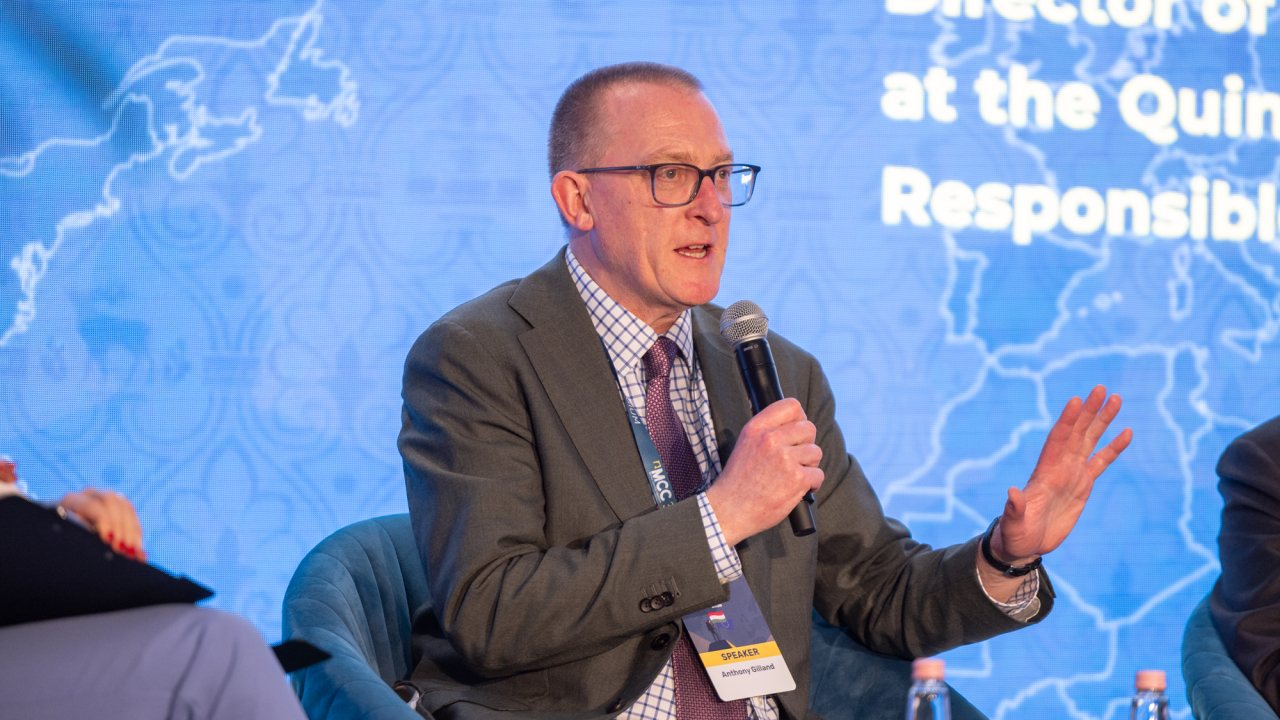
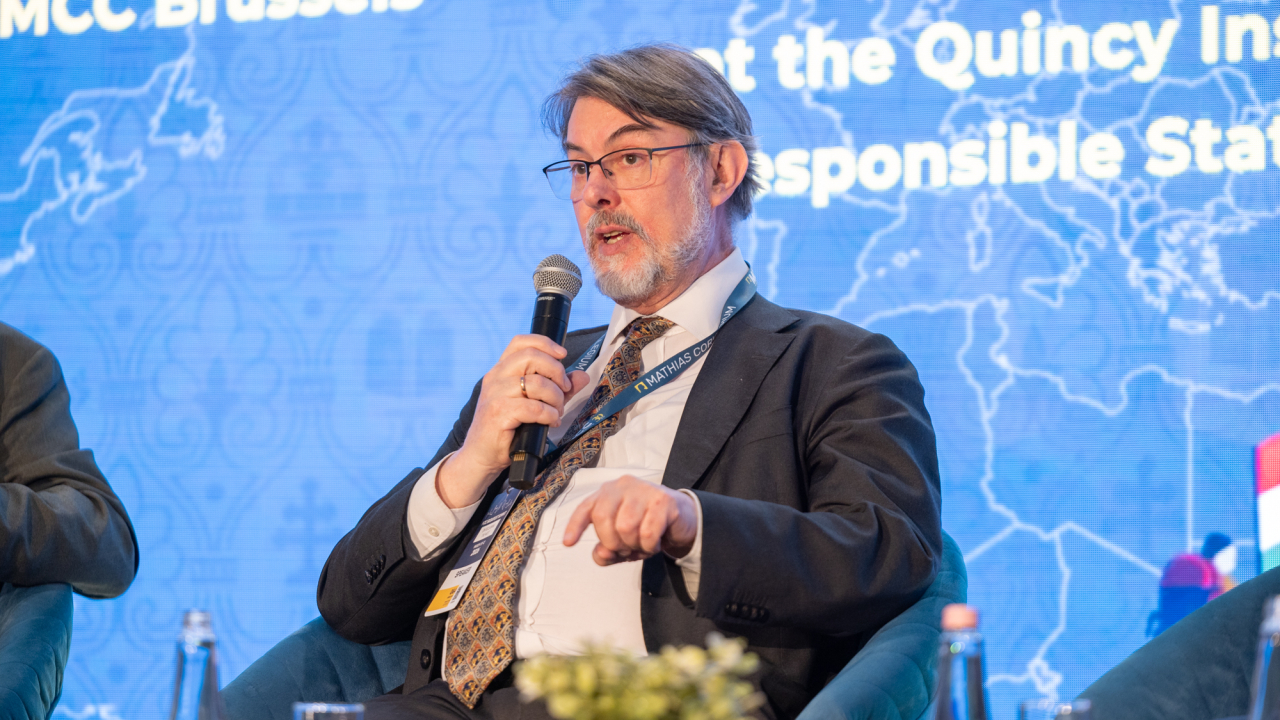
The first panel, Reclaiming Our Sovereignty: Preserving Autonomy and Cooperation in Supranational Institutions, featured Boglárka Bólya, Ministerial Commissioner Responsible for the Promotion of Sovereignty Reform of the European Union; Anthony Gilland, Chief of Staff of MCC Brussels; Nikolay Pavlov, Project Manager at Identaria; Anatol Lieven, Director of Eurasia Program at the Quincy Institute for Responsible Statecraft; and Damille Devenyi, Researcher at the Center for European Studies at MCC. The discussion focused on the relationship between national sovereignty and supranational institutions, and the importance of democratic legitimacy in European decision-making.
The second panel, Reclaiming Our Civilization: Faith and Family as the Foundations of the West’s Future, brought together Georgina Kiss-Kozma, Deputy Director of the Youth Research Institute; Ricardo Ruiz de la Serna, Head of Studies and Publications at Fundación Disenso; Jerzy Kwaśniewski, President of the Board and Co-founder of the Ordo Iuris Institute; Krisztián Fenyves, Researcher at the Center for Law and Society at MCC; and Samuel Trizuljak, Board Member of the Ladislav Hanus Fellowship and Visiting Fellow at MCC. Speakers discussed Europe’s demographic crisis, the social role of the family, and the importance of cultural and moral foundations in sustaining Western societies.
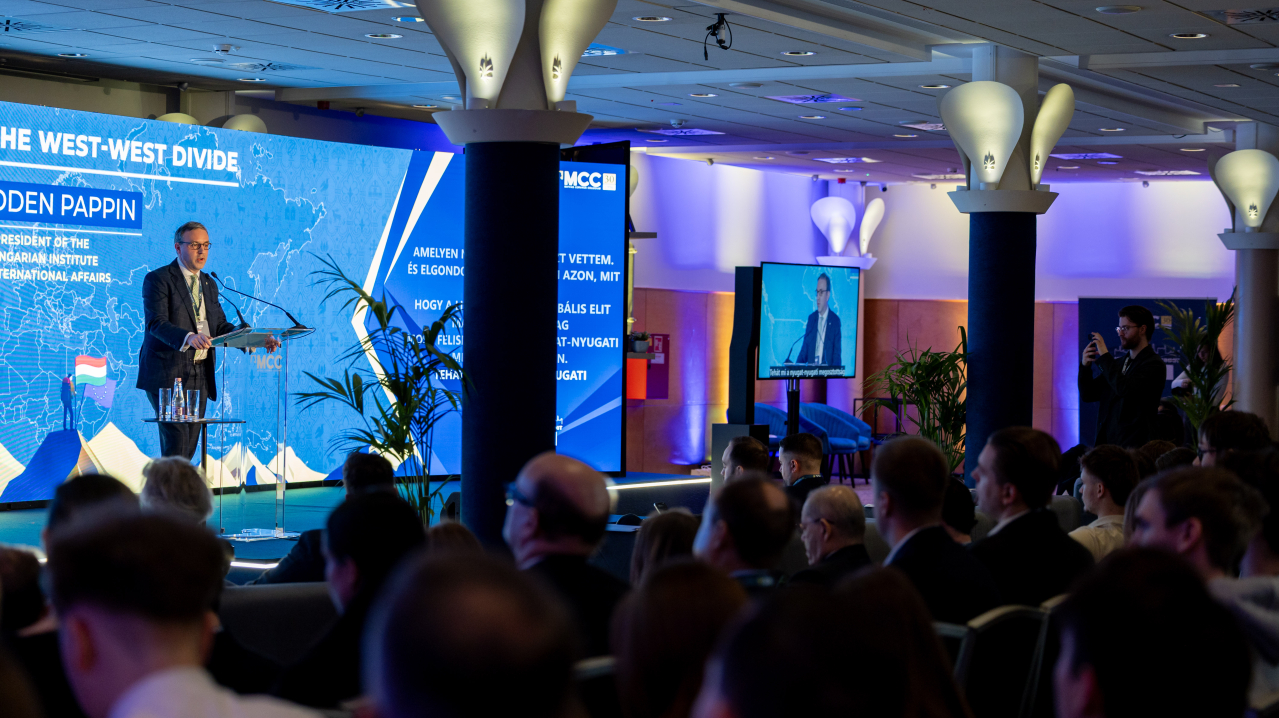
On the second day, Gladden Pappin, President of the Hungarian Institute of International Affairs, spoke about the growing internal divisions within the West and argued that a renewed focus on national strength, security, and social cohesion will be necessary for the future.
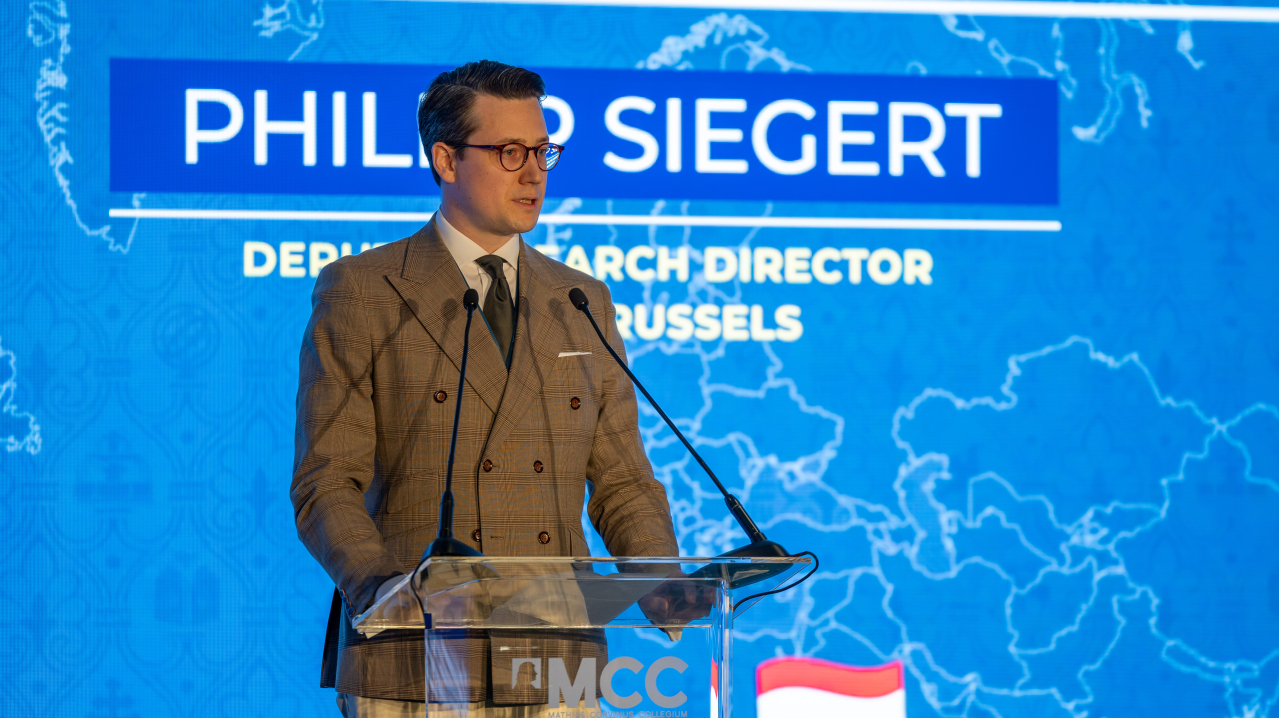
Philipp Siegert, Deputy Research Director at MCC Brussels, examined the limits of EU foreign policy, arguing that while the European Union possesses institutions and strategies, it often lacks the political unity needed to act as a coherent geopolitical actor.
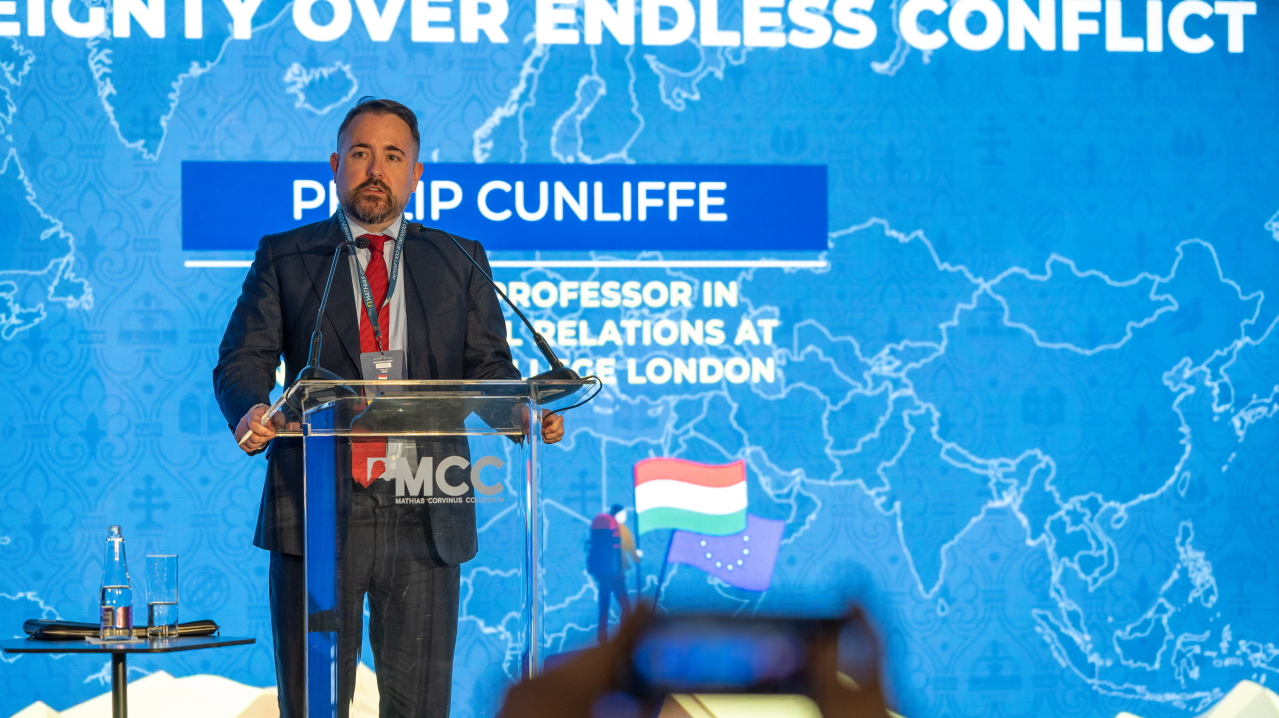
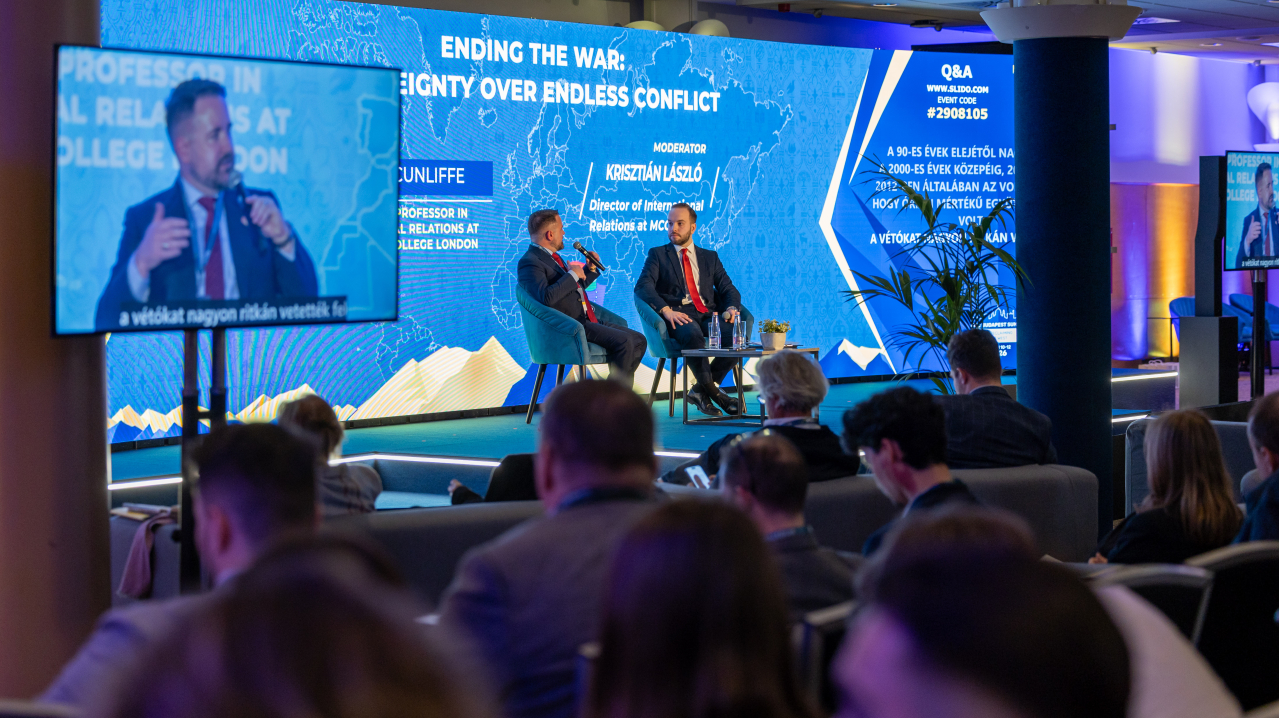
In a featured talk, Philip Cunliffe, Associate Professor in International Relations at University College London, warned that international politics may be returning to the logic of endless intervention and what he described as “forever war,” stressing that stable international order depends on strong sovereign states.
The third panel, Reclaiming Our Demos: Borders or Oblivion for Europe’s Cultural Future, featured Mark Krikorian, Executive Director of the Center for Immigration Studies; Viktor Marsai, Executive Director of the Migration Research Institute; Nicolas Monti, Director and Co-founder of the OID Think-Tank; Alp Mehmet, Chairman of Migration Watch UK; and Róbert Gönczi, Analyst at the Migration Research Institute. The speakers discussed migration policy, border protection, and the long-term cultural implications of mass migration for Europe.
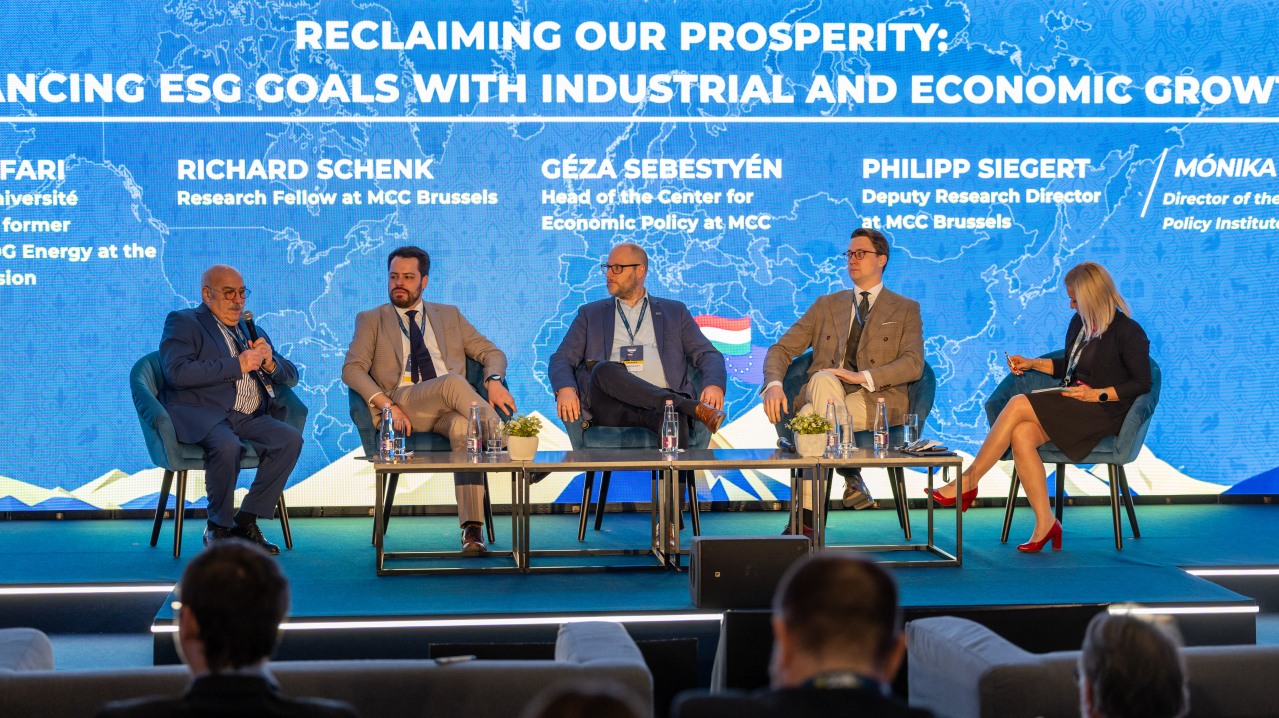
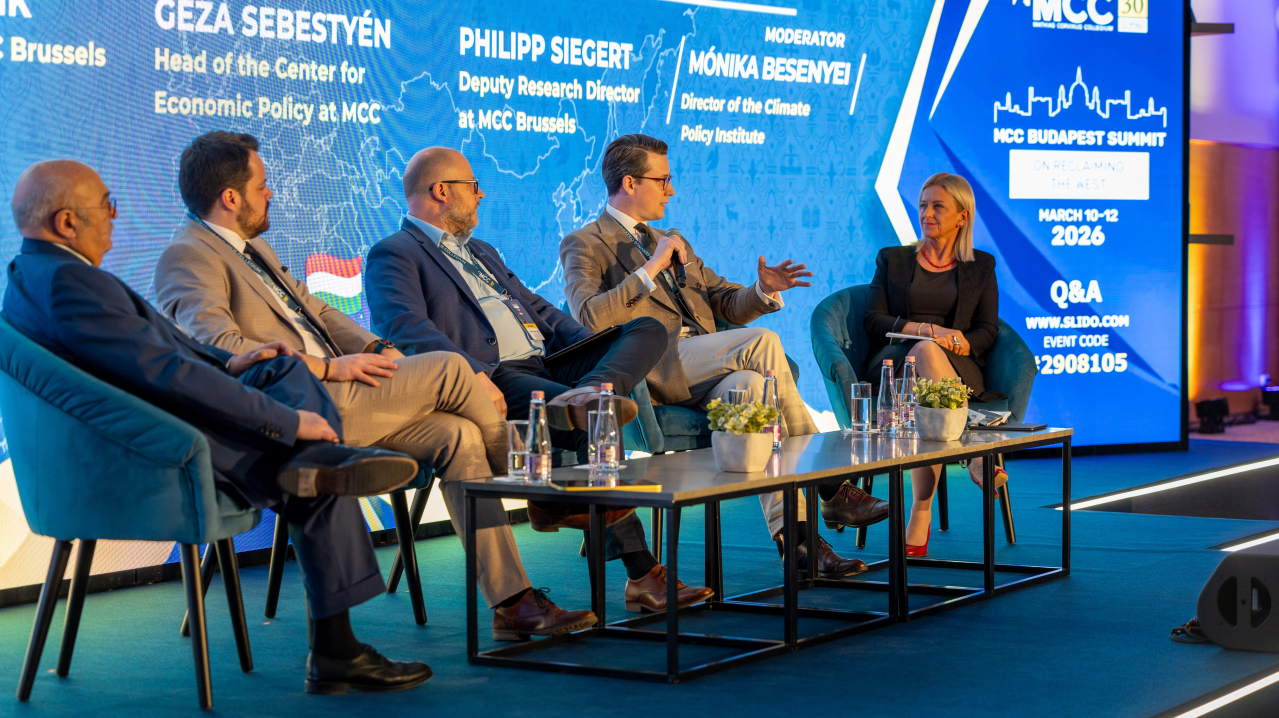
The final panel, Reclaiming Our Prosperity: Balancing ESG Goals with Industrial and Economic Growth, included Samuel Furfari, Professor at the Université Libre de Bruxelles and former Senior Official of DG Energy at the European Commission; Richard Schenk, Research Fellow at MCC Brussels; Philipp Siegert, Deputy Research Director at MCC Brussels; Géza Sebestyén, Head of the Center for Economic Policy at MCC; and Mónika Besenyei, Director of the Climate Policy Institute. The panel explored the relationship between sustainability goals, energy policy, and Europe’s industrial competitiveness.
The MCC Budapest Summit highlighted that debates about the future of the West increasingly revolve around sovereignty, security, culture, demography, and economic resilience.