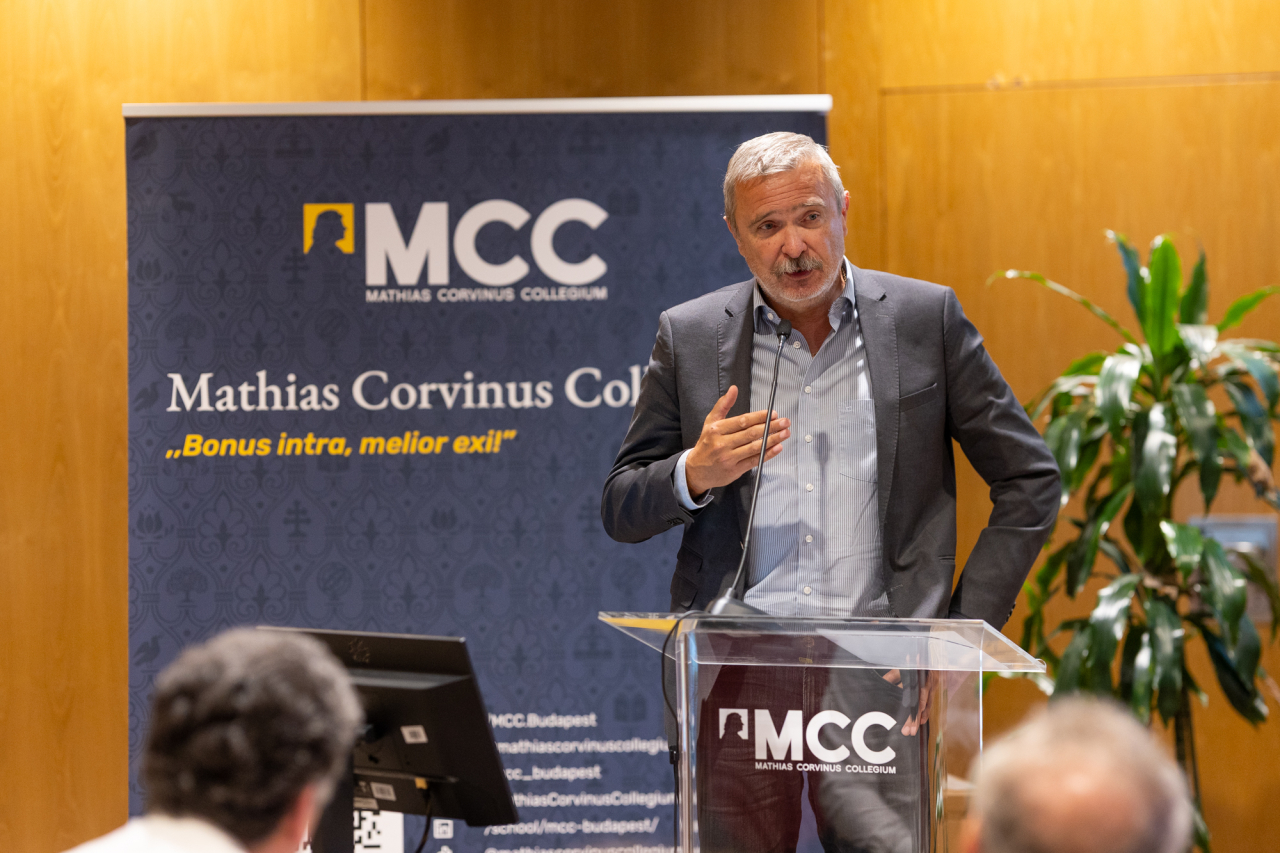
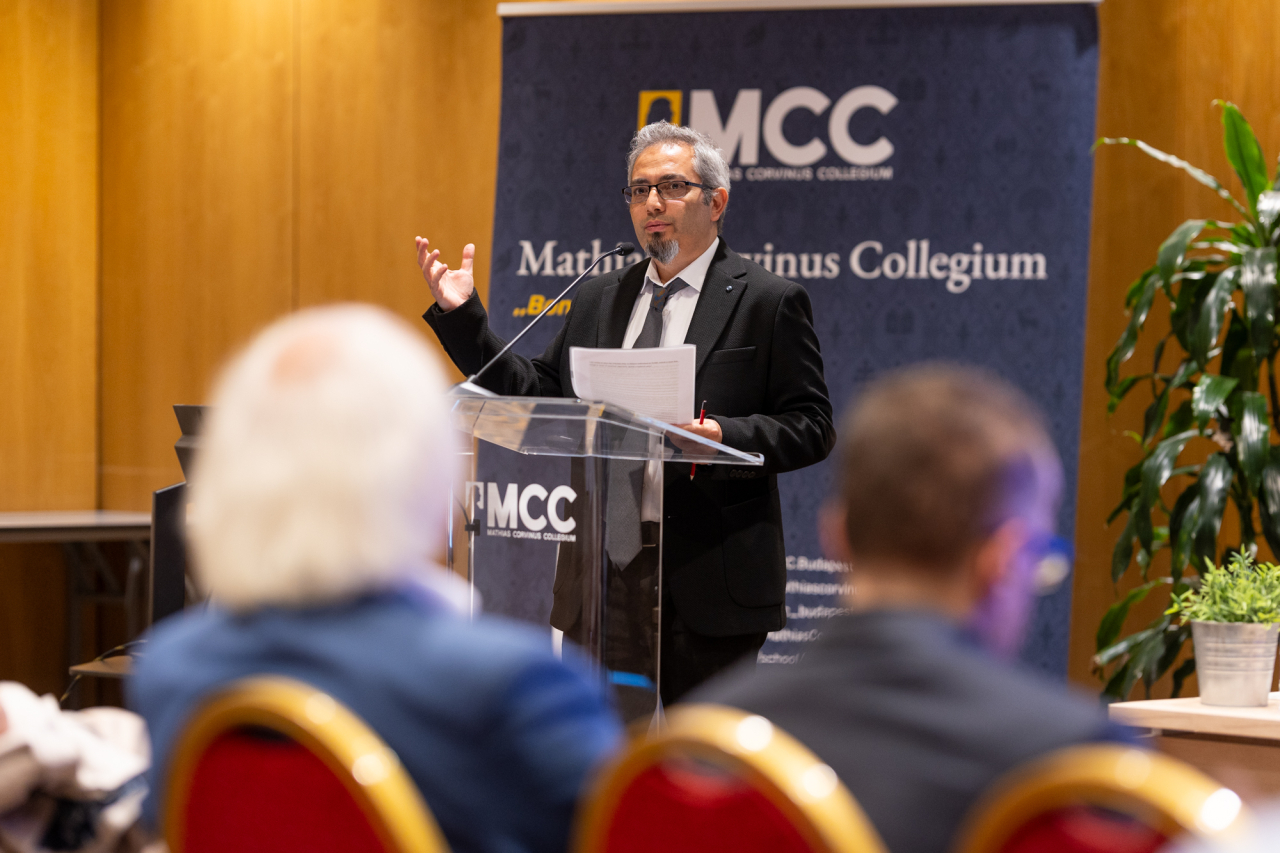
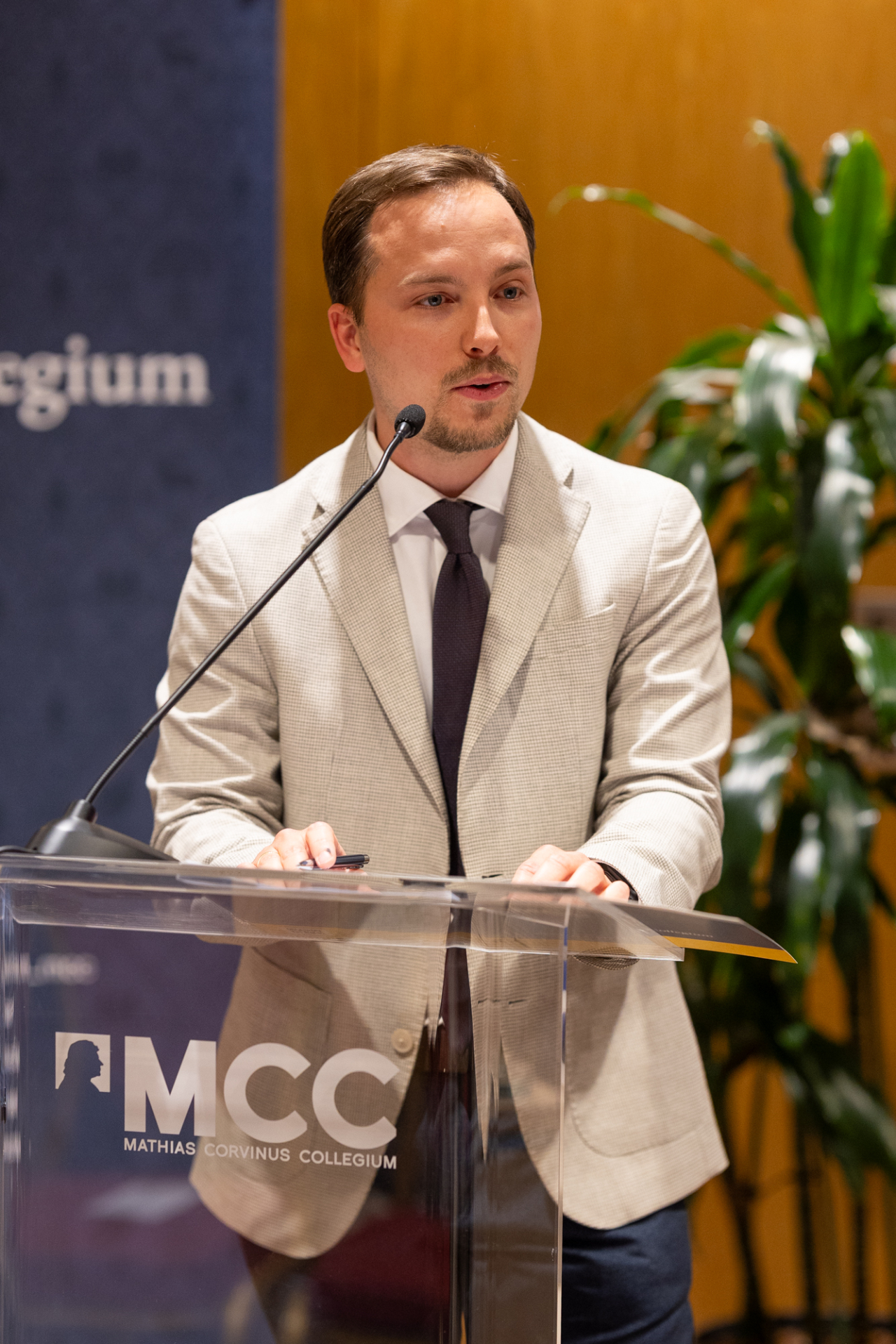
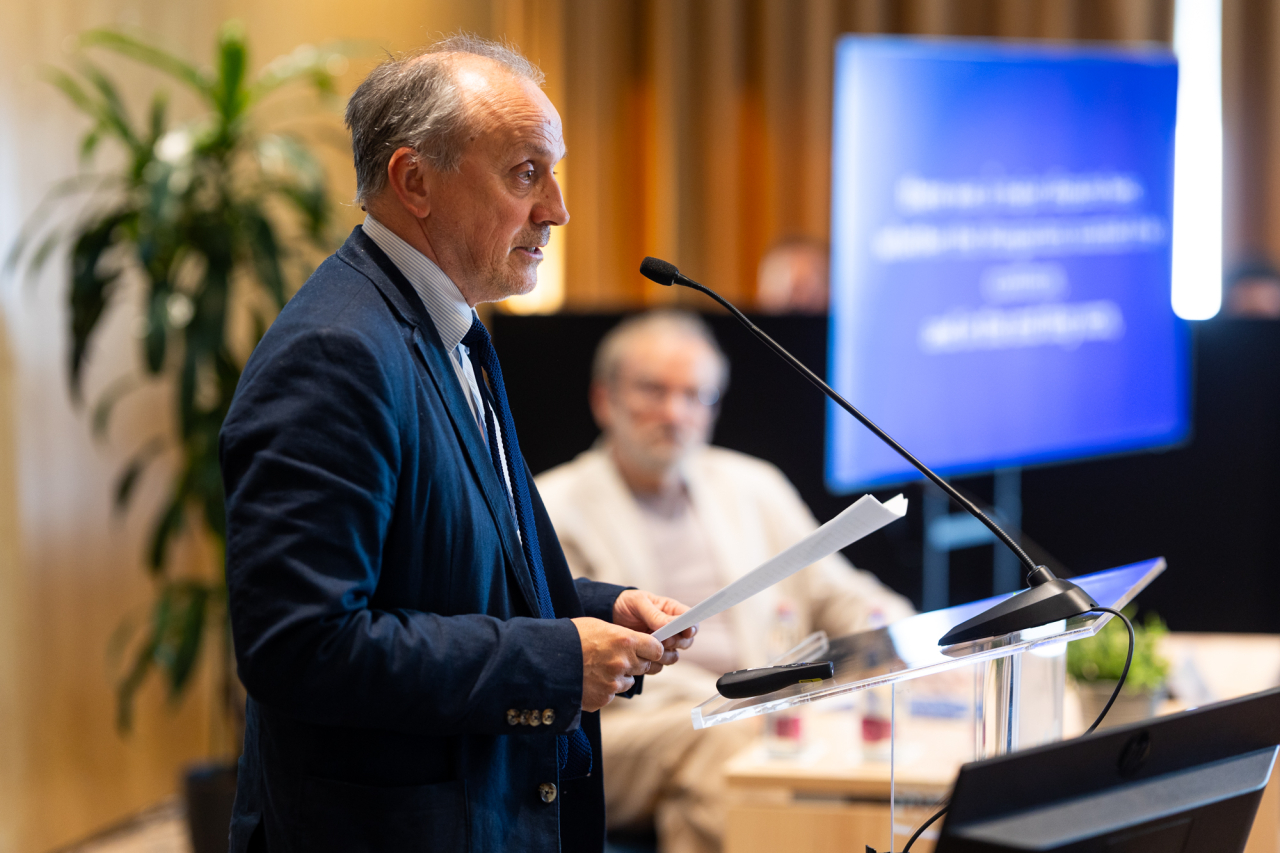
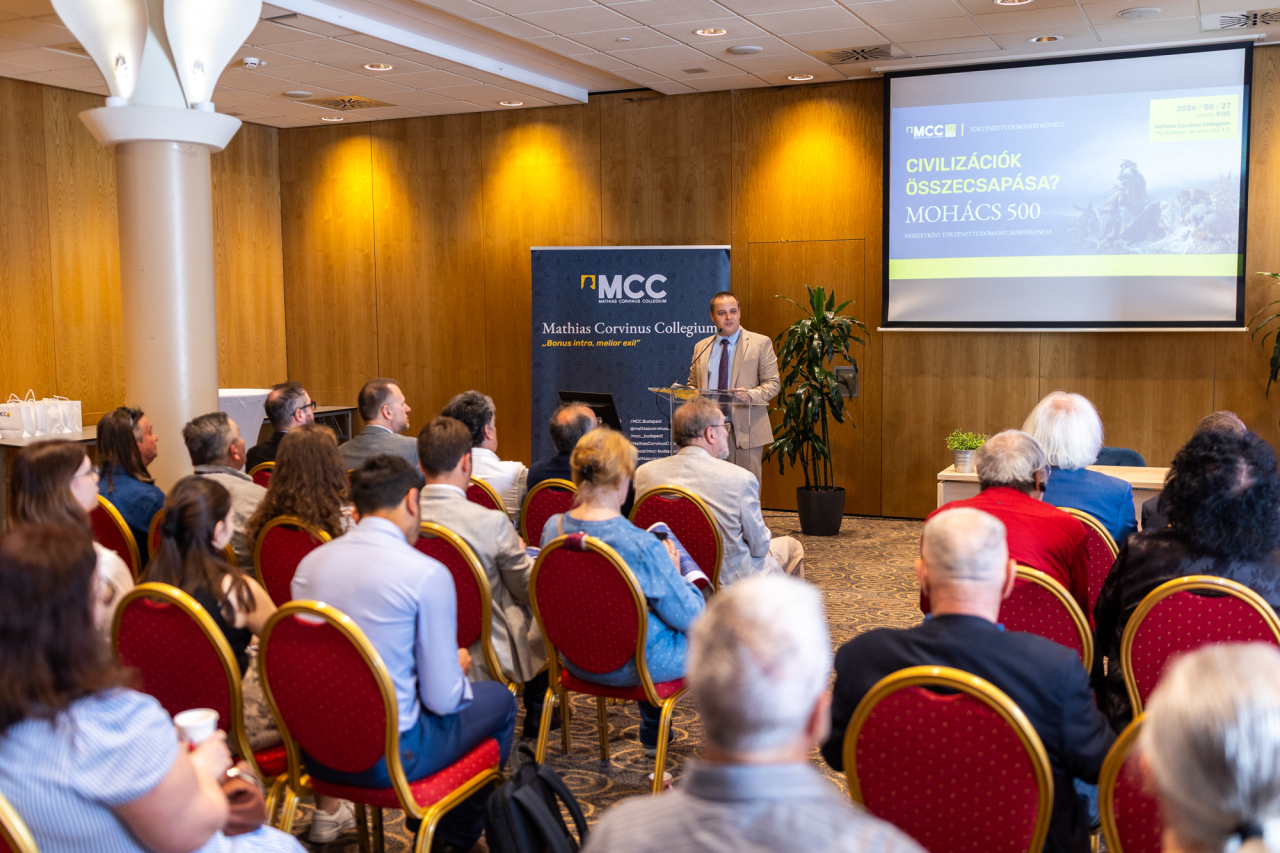
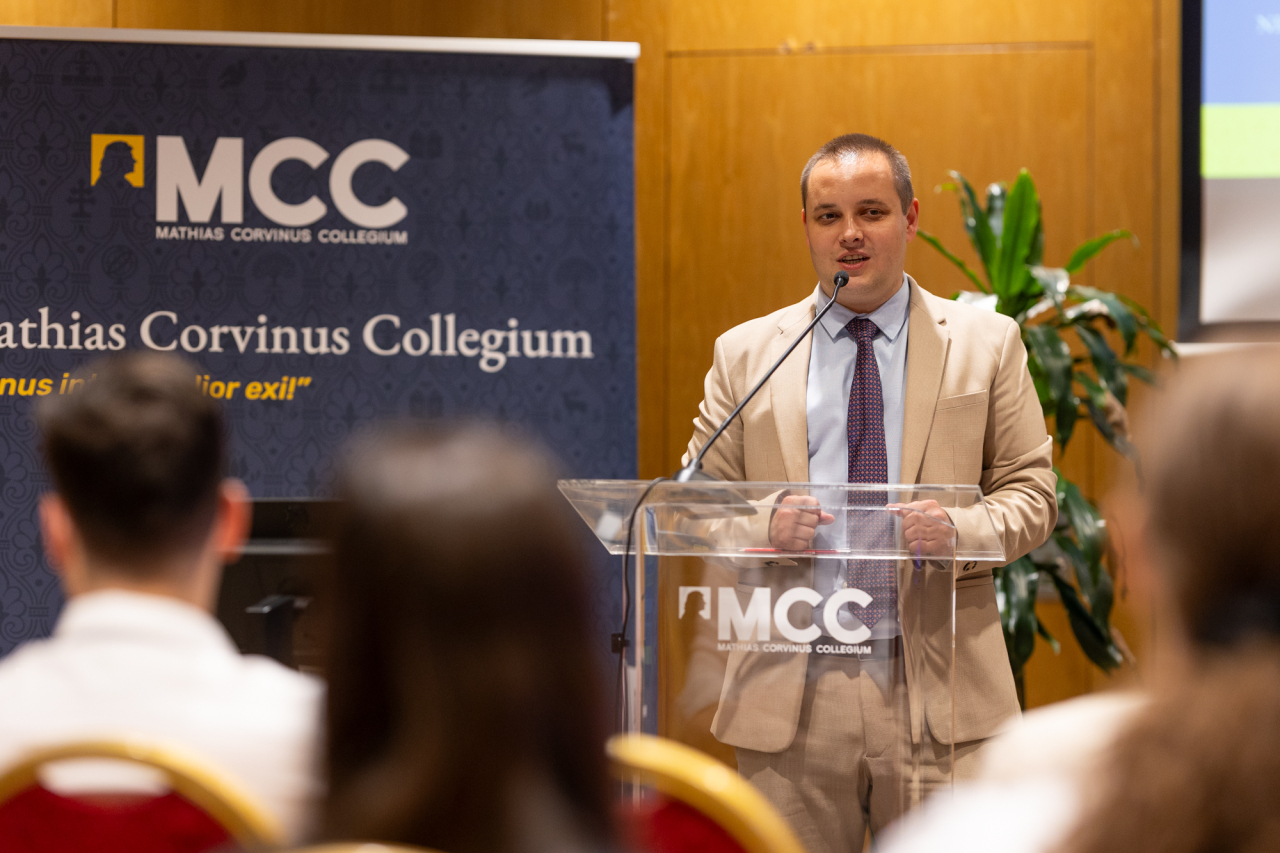
To mark the 500th anniversary of the Battle of Mohács, MCC's Center for History hosted an international conference titled “Clash of Civilizations? Mohács 500”, bringing together leading Hungarian and Turkish historians to examine one of the most significant turning points in Hungarian history.
The conference aimed to provide a more nuanced understanding of the events of 1526 through the latest historical research while strengthening academic dialogue between Hungarian and Turkish scholars. The event was opened by Péter Lánczi, Deputy Director General of MCC, followed by a keynote lecture from Pál Fodor, Professor Emeritus of Eötvös Loránd University, who explored the European, Hungarian, and Ottoman significance of the Battle of Mohács.
Across four thematic panels, speakers examined the political, military, economic, and religious dimensions of the period. Presentations addressed topics including papal-Hungarian relations, Hungarian-Ottoman peace negotiations, the international context of the battle, the economic role of the Fugger family, and the relationship between the Hungarian Church and the anti-Ottoman campaigns.
The afternoon sessions focused on military history and international perspectives. Özgür Kolçak of İstanbul University presented on the size and operation of the Ottoman army, while Göksel Baş examined the logistical foundations of the Ottoman military machine. Özkan Bardakçi discussed the establishment of Ottoman rule in Buda, highlighting the importance of incorporating both Hungarian and Turkish viewpoints into historical analysis.
A special highlight of the event was the presentation of a joint Turkish-Hungarian student project by Richárd Fodor, Head of Research at MCC’s Learning Institute, demonstrating how historical events can be explored collaboratively through multiple cultural perspectives.
Closing the conference, Máté Gali, Head of MCC's Center for History, emphasized that Mohács remains far more than a historical memory. Its consequences shaped the history of Hungary and Central Europe for centuries, underscoring the importance of continued international and scholarly dialogue in understanding the past.