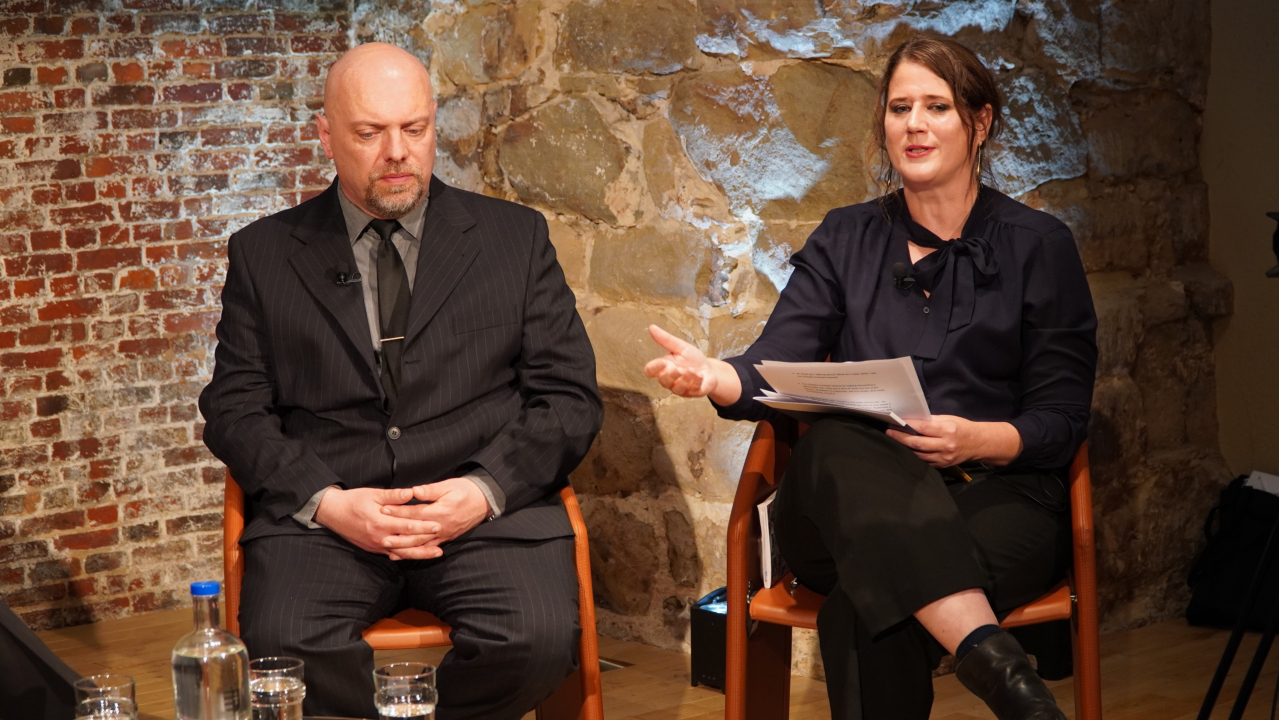
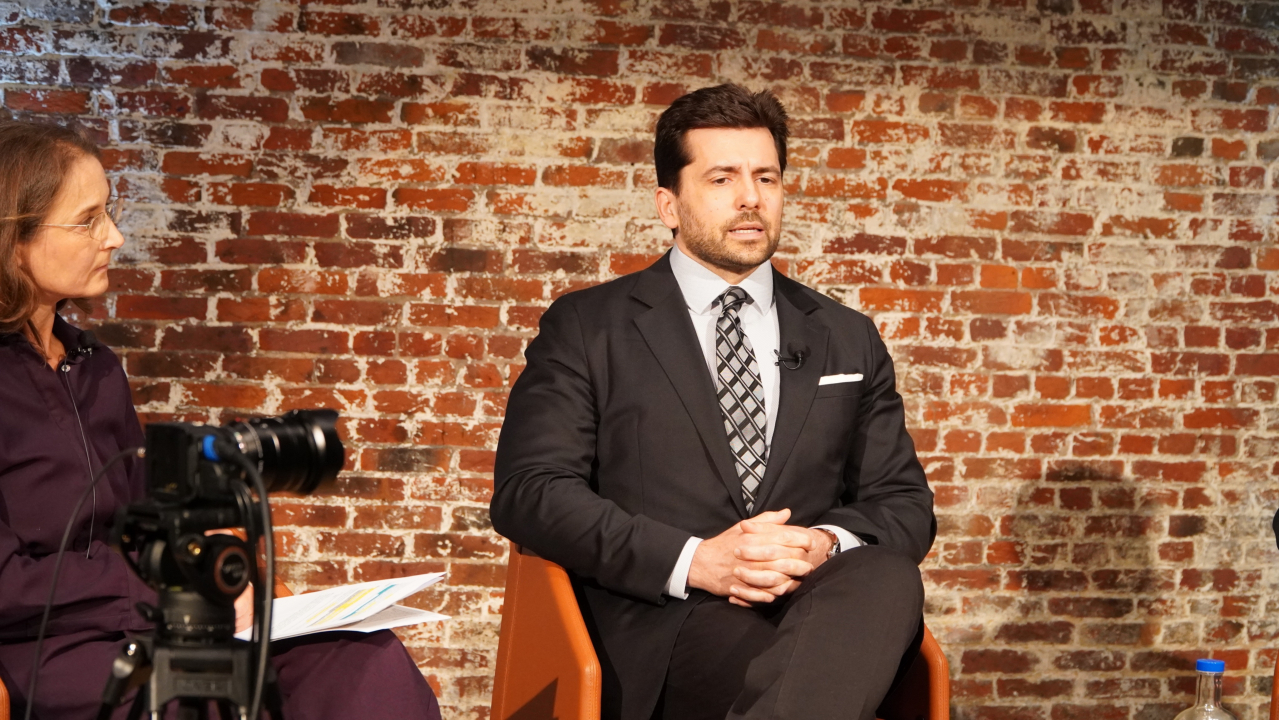
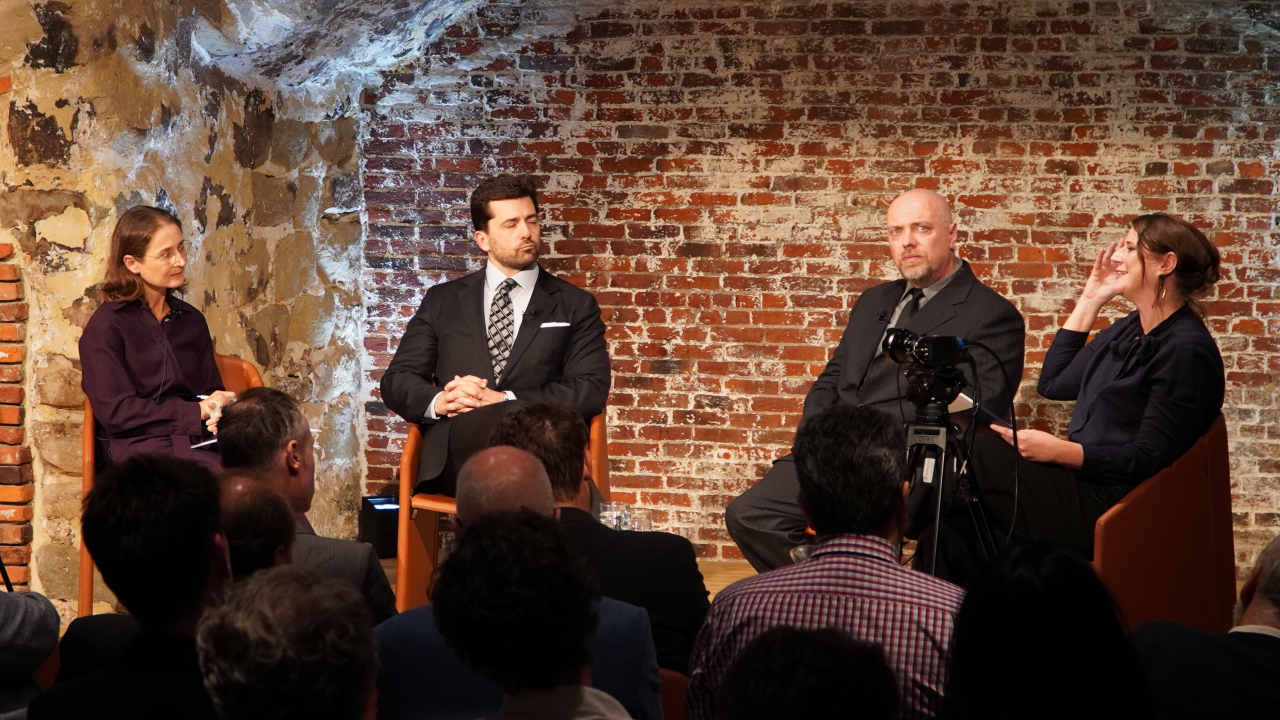
MCC Brussels examined the enduring influence of Greek art and philosophy in modern times during a thought-provoking discussion held on Wednesday at the Liszt Institute in Brussels. The event sought to explore why the legacy of Ancient Greece — long regarded as the cradle of Western civilization and a source of democratic and artistic innovation — is increasingly criticized as Eurocentric or even white supremacist. The debate approached the issue from historical, philosophical, and dramatic perspectives.
Professor Frank Füredi, Executive Director of MCC Brussels, opened the event by emphasizing the timeless impact of ancient Greece on European culture — its love of freedom, democracy, and spirit of risk-taking. He recalled the Battle of Salamis, where ordinary sailors triumphed over the Persian Empire, as an example of the democratic nature of Greek society. Füredi encouraged parents to introduce children to Greek history early in life to instill pride in Europe’s cultural heritage.
Moderator Dr. Katalin Deme, Senior Research Fellow at MCC Brussels, highlighted the Greeks’ remarkable modernity, quoting Hungarian poet László Németh: “The Greek spirit represents futurism rather than Goethean classicism.” She described their legacy as one of creativity, playfulness, and rebellion against hierarchy — and above all, as the birthplace of democracy, values that continue to inspire after 2,500 years.
Dr. Benedict Beckeld, writer and philosopher, discussed the critiques of Ancient Greece emerging from across the political spectrum. He argued that oikophobia — the tendency to disdain one’s own culture while idealizing others — began on the political left but has since been mirrored by conservatives who feel compelled to apologize for “Eurocentrism.” Beckeld urged Europeans to rediscover pride in their cultural roots, noting that even the Greeks themselves grappled with issues still relevant today: self-doubt, relativism, and cultural decline.
Historian and philosopher Dr. Alexander Meert emphasized the enduring relevance of Greek philosophy in addressing today’s moral and intellectual crises. Unlike modern ideologies such as Marxism, which claim absolute truths, the Greeks sought balance, moderation, and an openness to metaphysical questions alongside reason. He underscored their commitment to lifelong learning and warned against current trends — including censorship and “trigger warnings” — that risk distorting history and weakening critical thinking.
Dr. Maren Thom, Senior Research Fellow at MCC Brussels, examined the continuing influence of Greek drama on storytelling and culture. Through the process of catharsis, she explained, Greek drama transforms audiences by confronting them with conflict and emotion. Thom cautioned against modern efforts to shield individuals from emotional difficulty, arguing that art should instead provide a safe environment to experience challenge and growth.
During the panel discussion, Beckeld pointed out the paradox that civilizations often decline as a result of their own success. Meert reflected on academia’s growing sensitivities, noting that imposing contemporary theories onto antiquity risks distorting historical truth. Thom reiterated that art and drama allow safe engagement with trauma, while Füredi observed that Greek religion, with its communal and ritual character, helped strengthen social cohesion.
Concluding the event, Thom reminded the audience that although the Greeks may seem distant, they laid the foundations of politics, culture, and critical thought that continue to shape the modern world — and recognizing this inheritance is key to understanding both our past and our future.