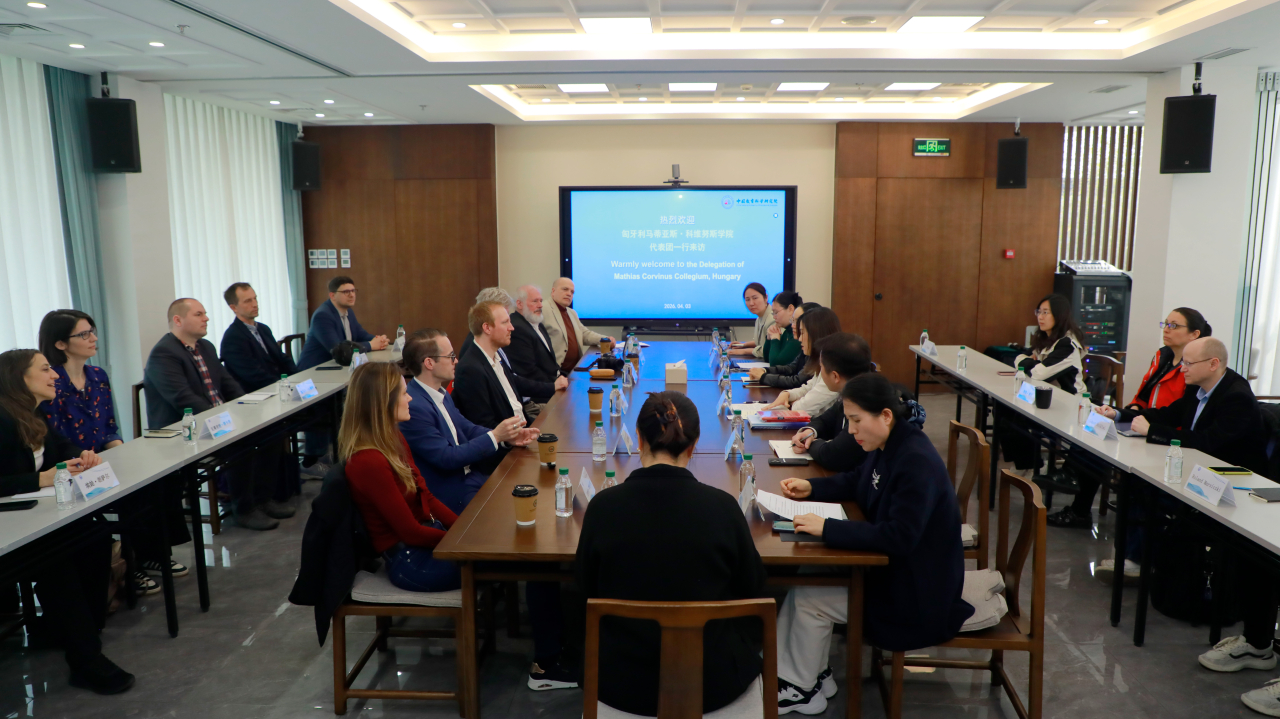
Mathias Corvinus Collegium organized an international study trip focusing on the Chinese education system, giving a delegation of Hungarian teachers and school principals the opportunity to visit Beijing and Shanghai and gain firsthand insight into one of the world’s most discussed educational models. The participants were selected from Hungary’s top one hundred secondary schools and took part in the program with the professional support of MCC.
During their stay in Beijing, the delegation visited the practice high schools of Capital Normal University and Jiaotong University, where participants gained insight into modern teaching methods and innovative educational technologies. One of the most remarkable examples was an artificial intelligence supported classroom system capable of analyzing student engagement and providing teachers with feedback on classroom effectiveness and attention management. As part of the school visits, participants also attended mathematics, physics, robotics, English, and history lessons in smaller groups through classroom observation programs.
The delegation also visited the China National Academy of Educational Sciences, where participants learned more about China’s educational strategy, current challenges, and future reform plans. In addition, the Beijing Hungarian Cultural Institute welcomed the group for discussions on Hungarian Chinese cultural relations, while Hungarian teachers and lecturers working in China shared their personal and professional experiences with the delegation.
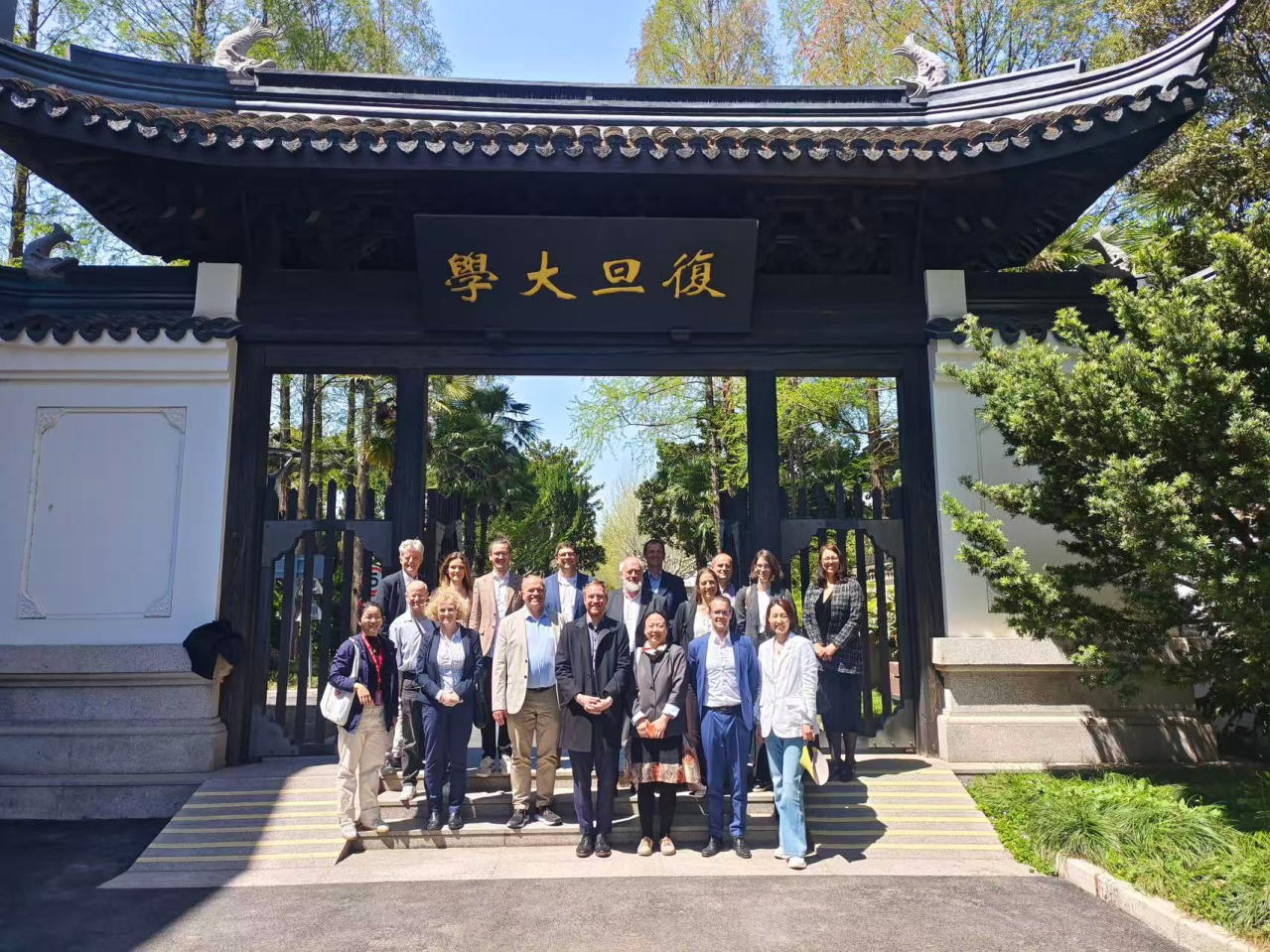
The second part of the study trip took place in Shanghai, where the delegation visited the practice school of Fudan University, one of the world’s leading universities. Participants attended classroom sessions, toured the university campus, and met a Hungarian student currently studying there. The group also met with Hungary’s Consul General and members of the consulate staff, who offered valuable insights into everyday life and work in China.
The delegation returned home with valuable professional experiences and a deeper understanding of the educational practices and strategies that contribute to China’s academic achievements.