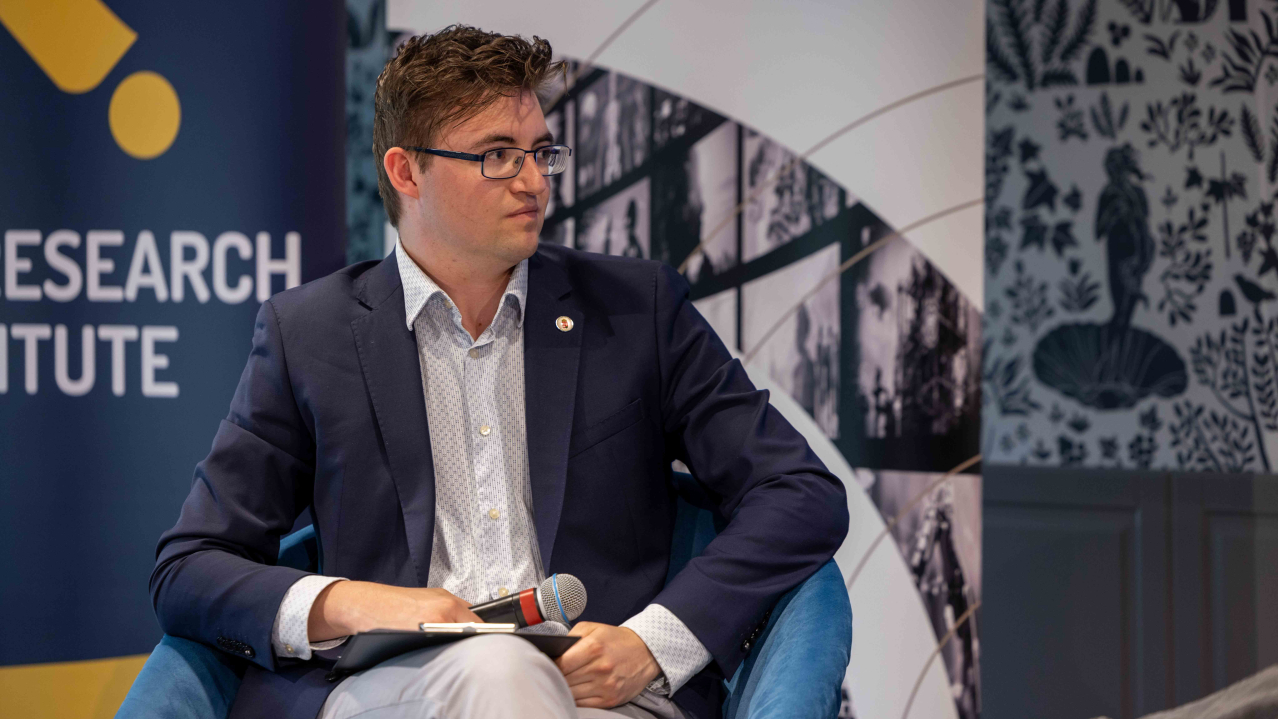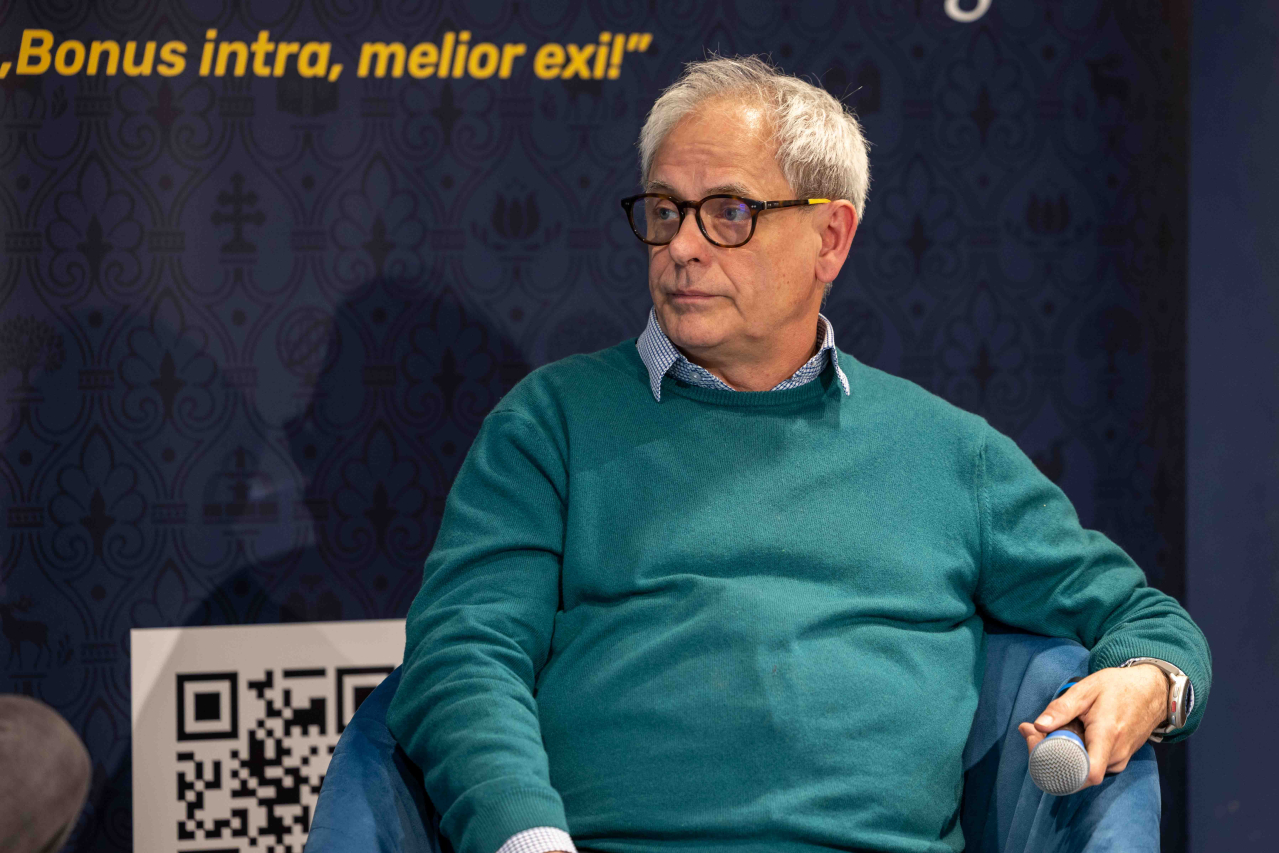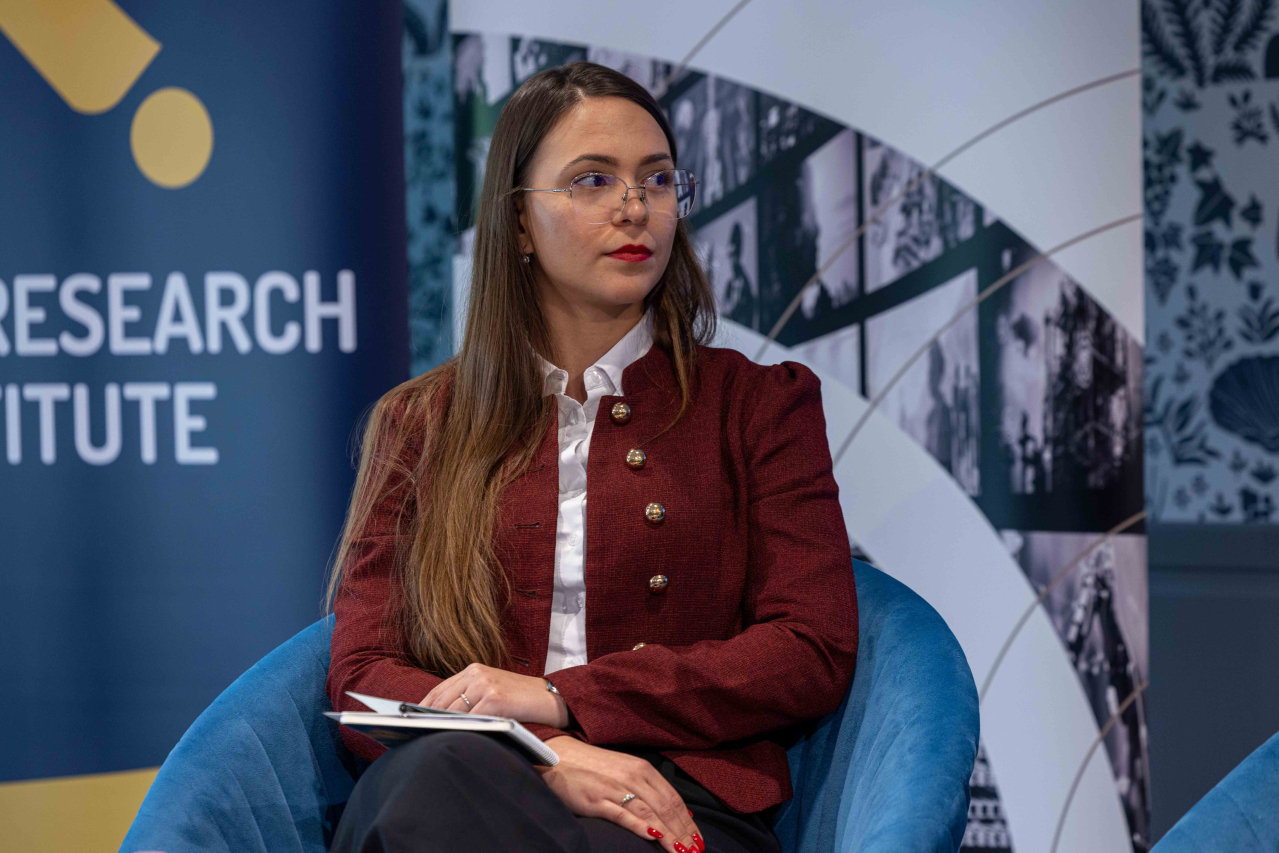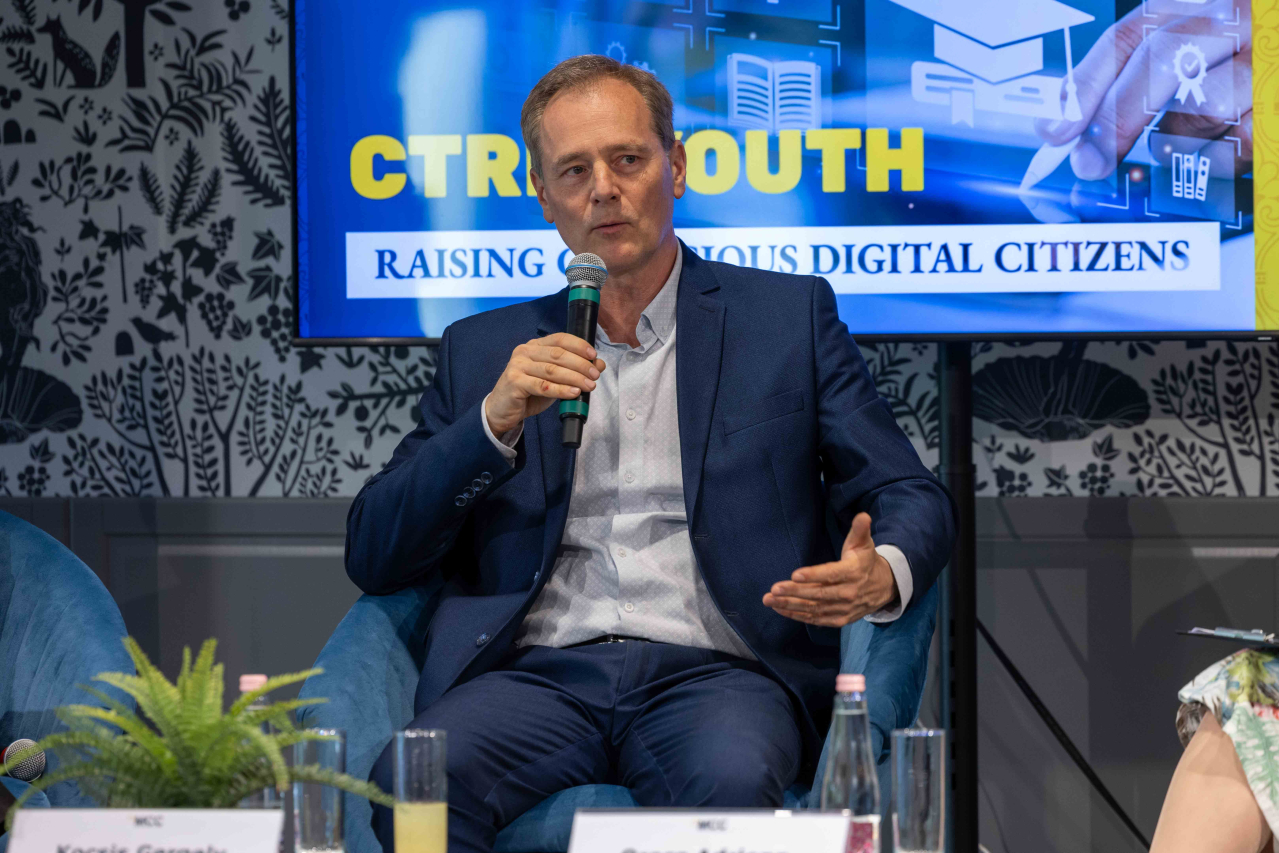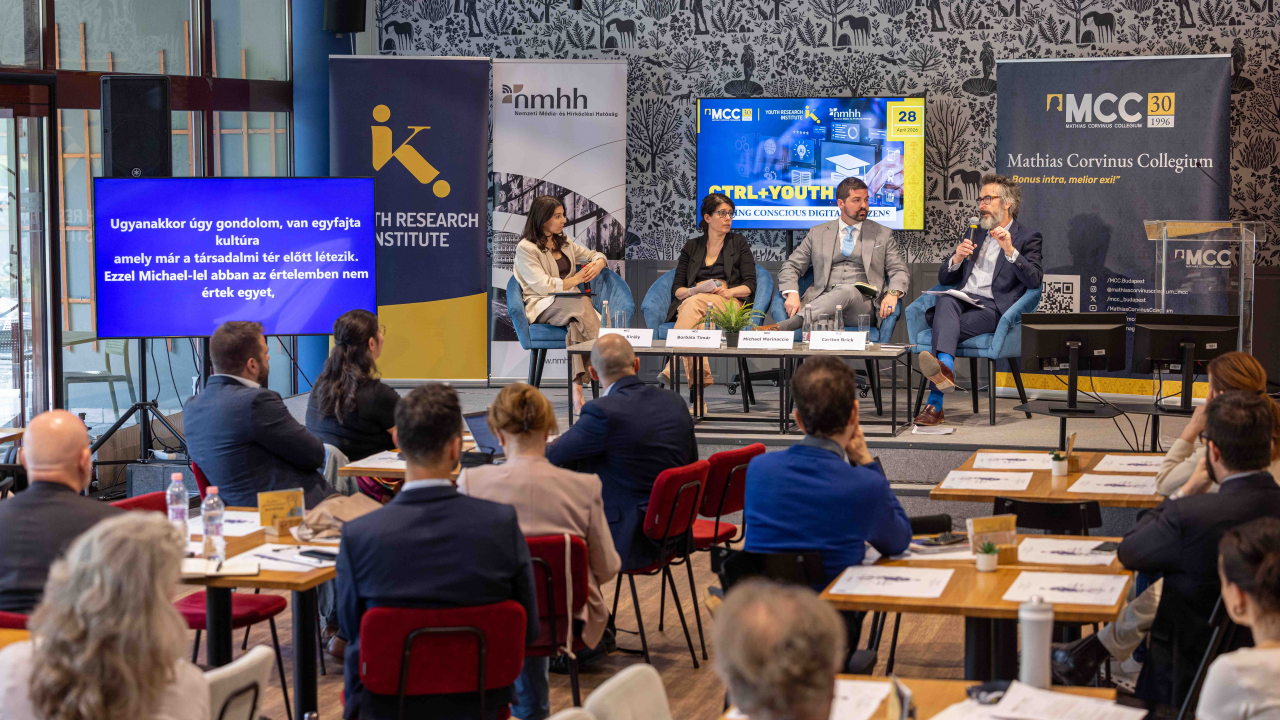
Digital technology has evolved into a defining framework of everyday life, profoundly influencing how younger generations think, connect, and develop. In response to these changes, MCC’s Youth Research Institute, in partnership with the National Media and Infocommunications Authority (NMHH), organized the international scientific conference CTRL+YOUTH – Raising Conscious Digital Citizens. The bilingual event aimed to foster international knowledge exchange while offering practical and theoretical guidance for parents, educators, and policymakers navigating the digital environment.
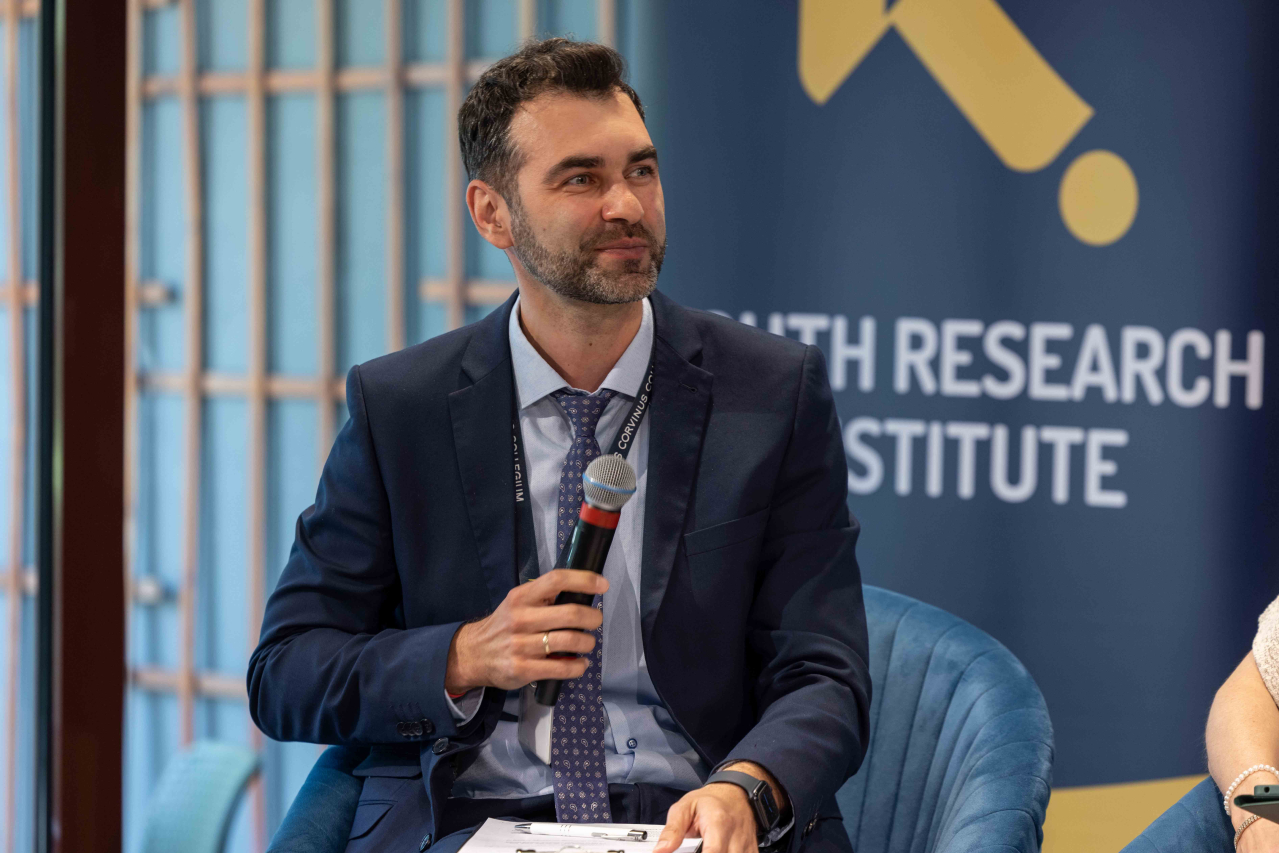
The conference opened with remarks by Dr. Ákos Somogyi, Head of the Child Protection Department at the National Media and Infocommunications Authority, and Dr. Georgina Kiss-Kozma, Deputy Director of the Youth Research Institute, who emphasized the growing importance of child protection and conscious media use. The discussions were introduced by Laurent Ozon, CEO of Strargum, who addressed the challenge of preserving individual autonomy and national sovereignty in the digital age.
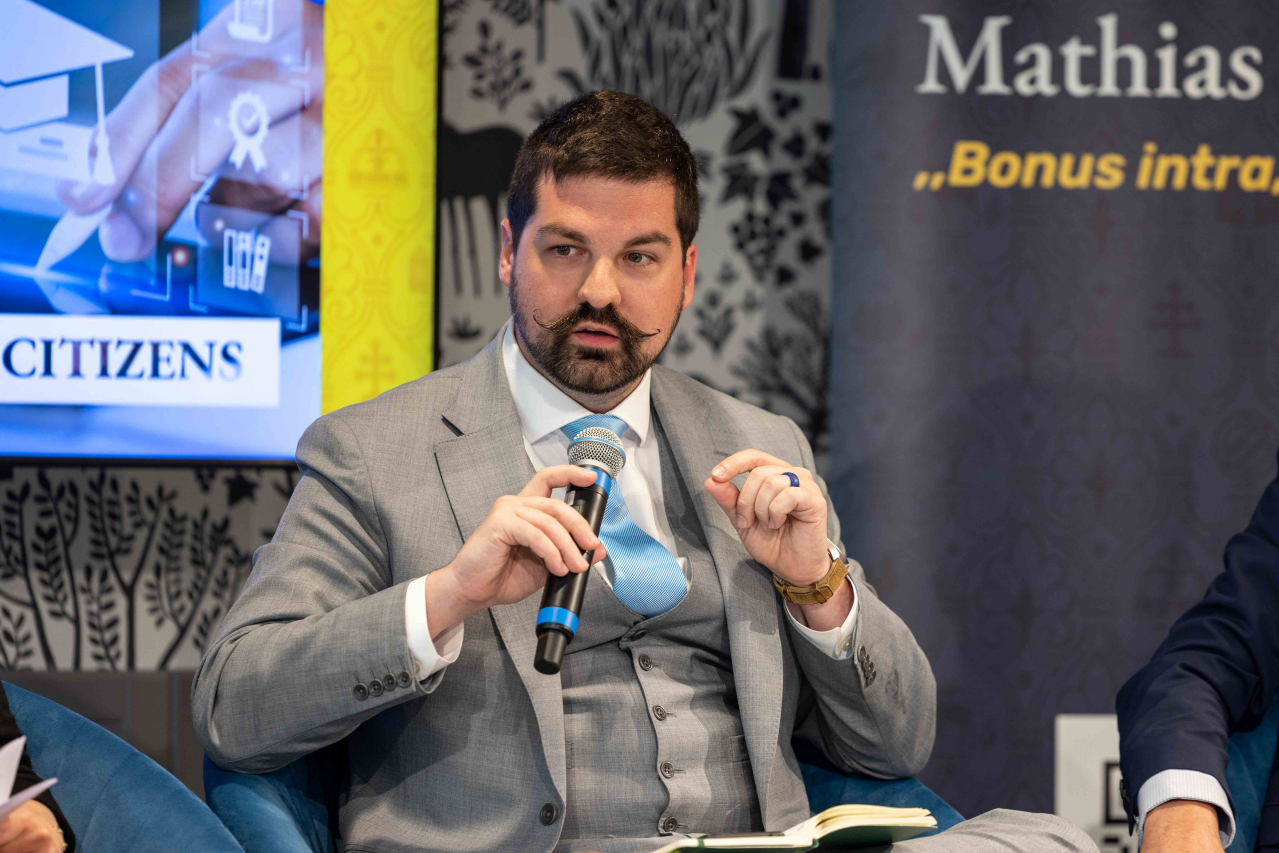
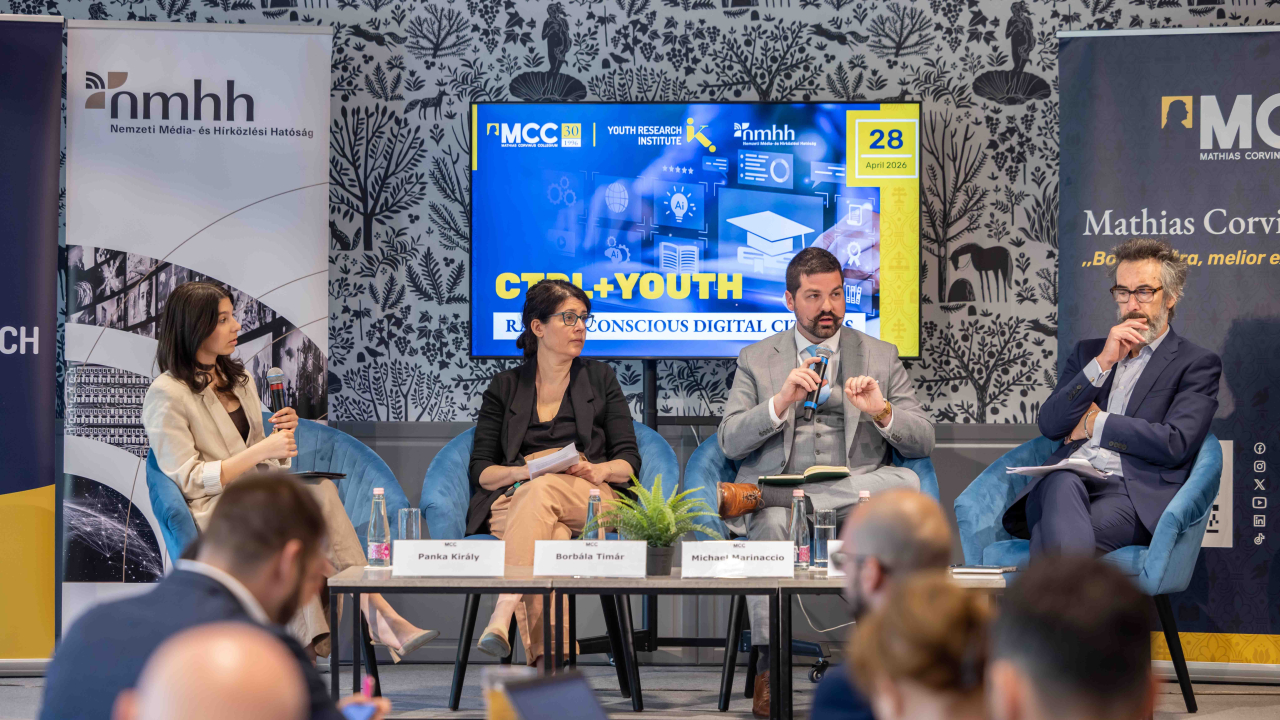
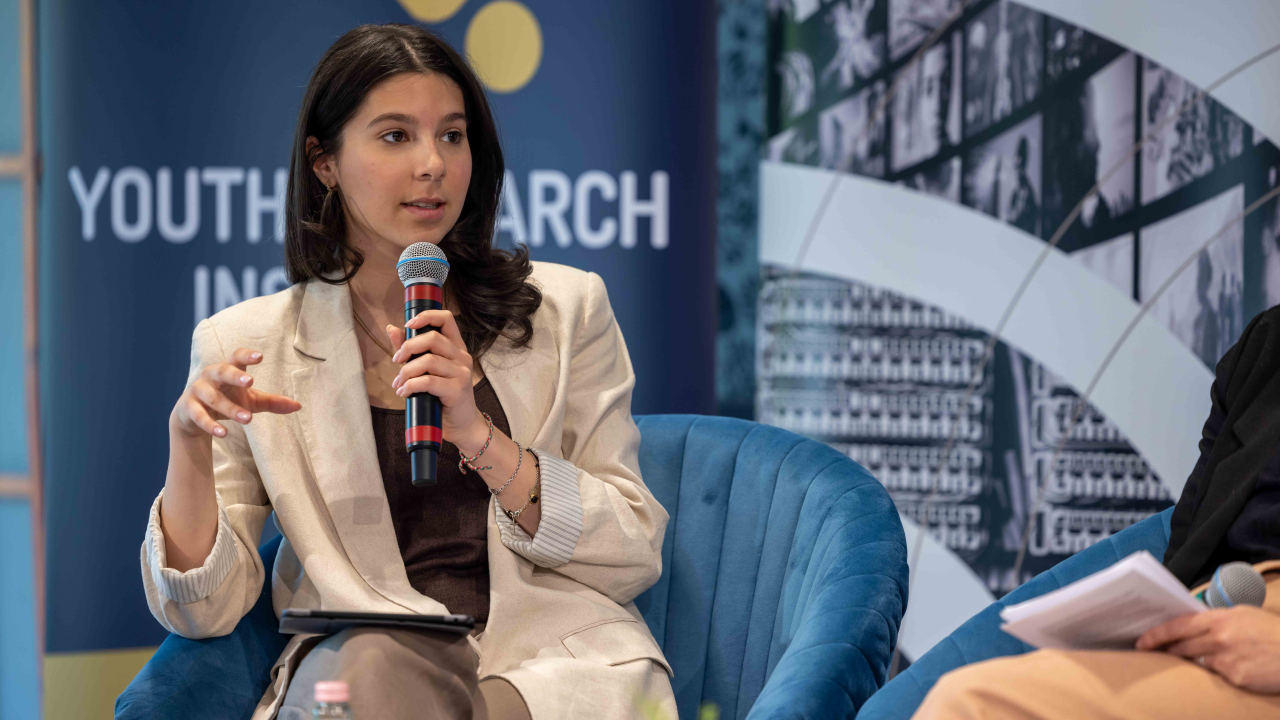
The panel on Risks and Safeguards in Digital Screen Use, moderated by Panka Király, featured Michael Marinaccio, Executive Director of the Center for Humane Technology, Carlton Brick, Sociologist and Researcher, and Borbála Timár, Digital Child Protection Expert at EduTech Hungary. Speakers agreed that digital presence is not inherently harmful, but its impact depends on context and user behavior, highlighting that prohibition is no longer effective and that digital awareness must become a core competence.
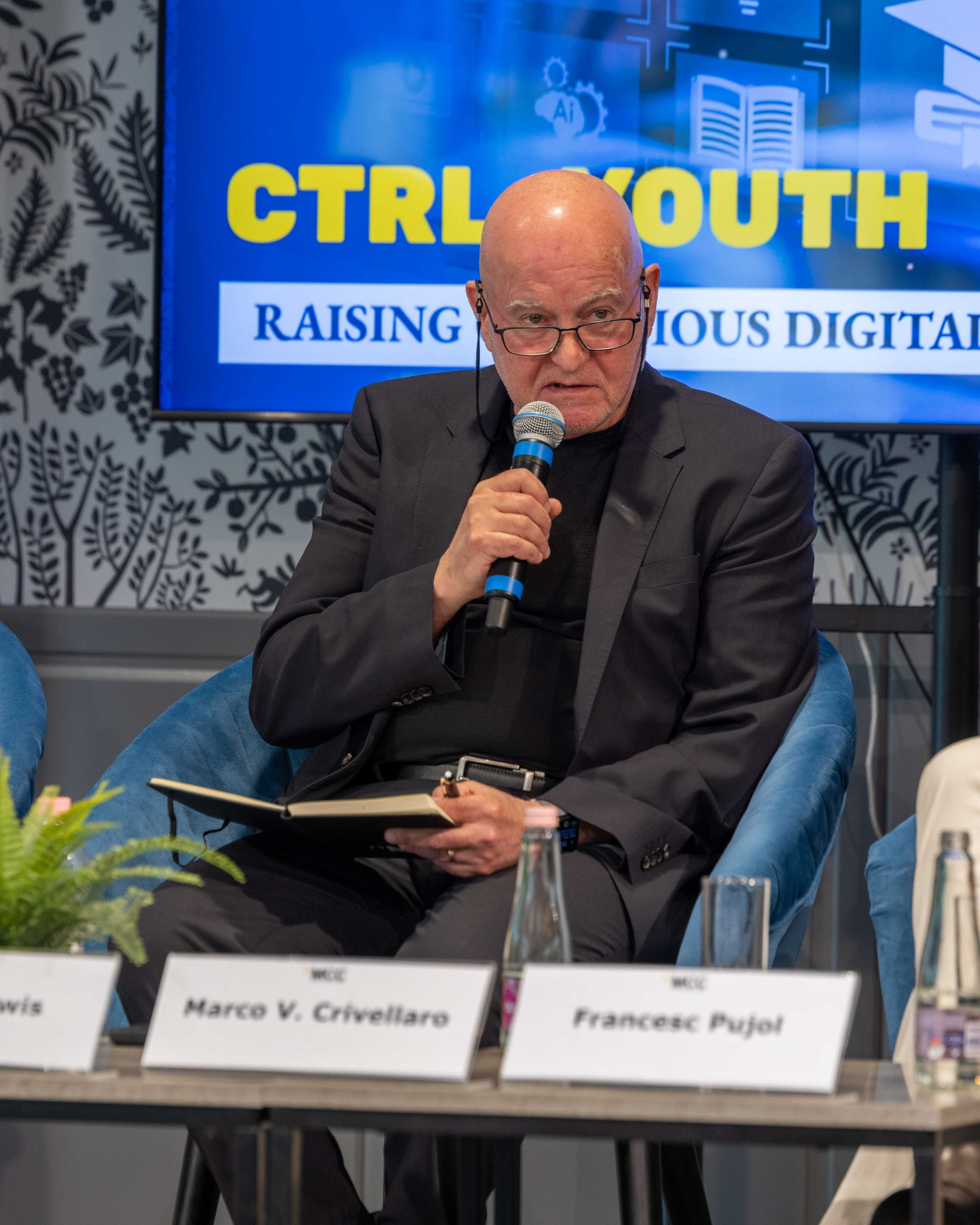
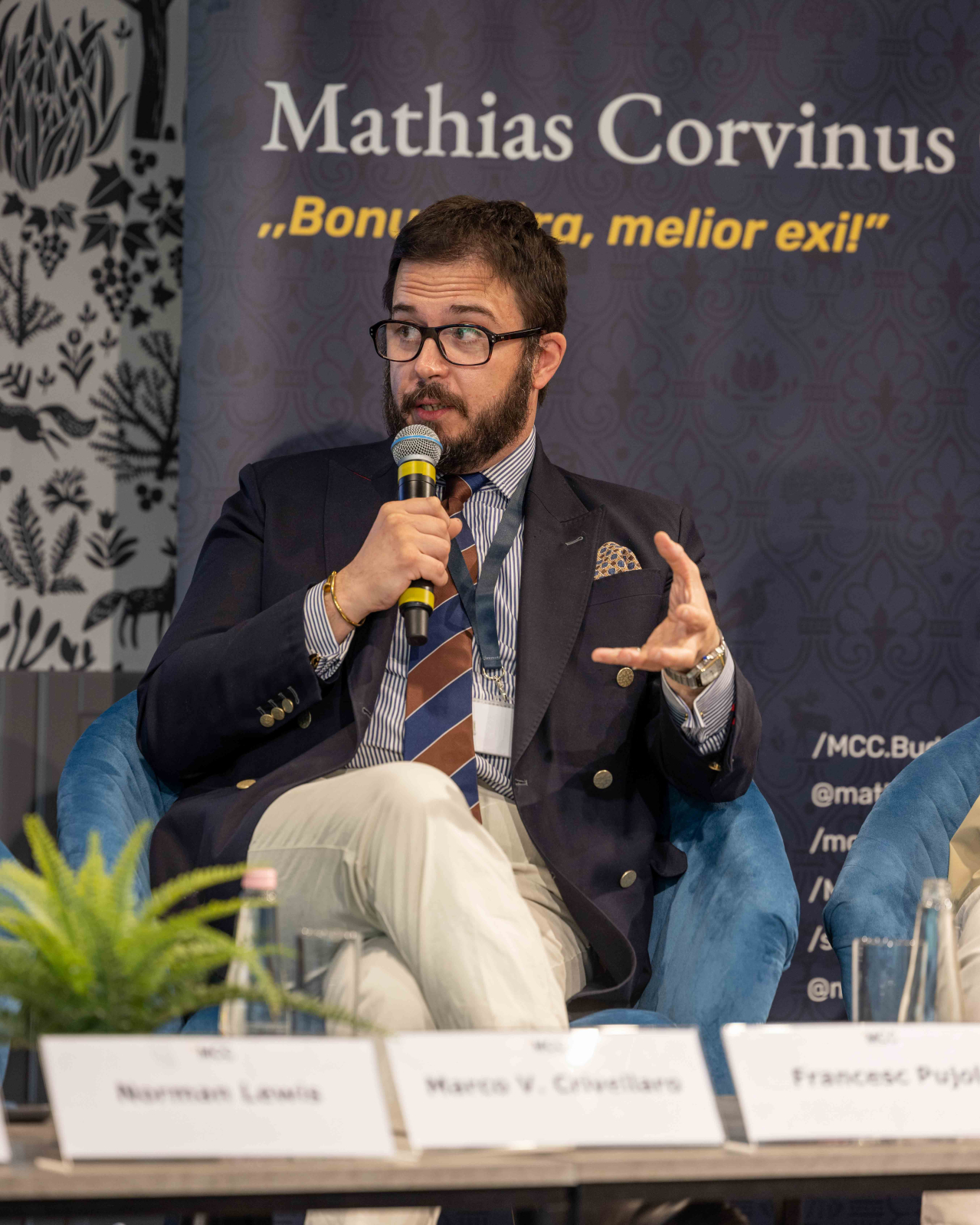
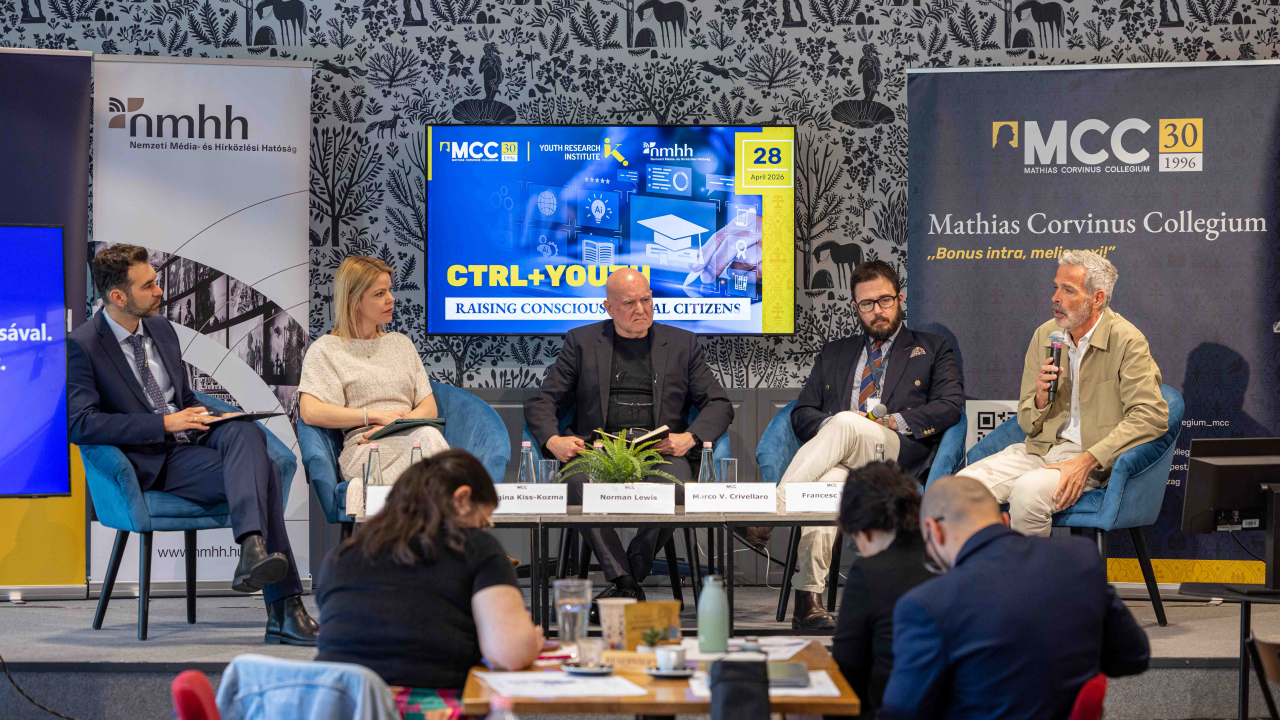
The panel Digital Society: The Social Consequences of Technological Innovation brought together Norman Lewis, Visiting Fellow at MCC Brussels, Francesc Pujol, Director of Economics, Leadership and Governance at the University of Navarra, Marco V. Crivellaro, Visiting Fellow at MCC, and Dr. Georgina Kiss-Kozma, Deputy Director of the Youth Research Institute. They emphasized the importance of maintaining human agency, addressing the pressures of constant connectivity and the widening digital divide.
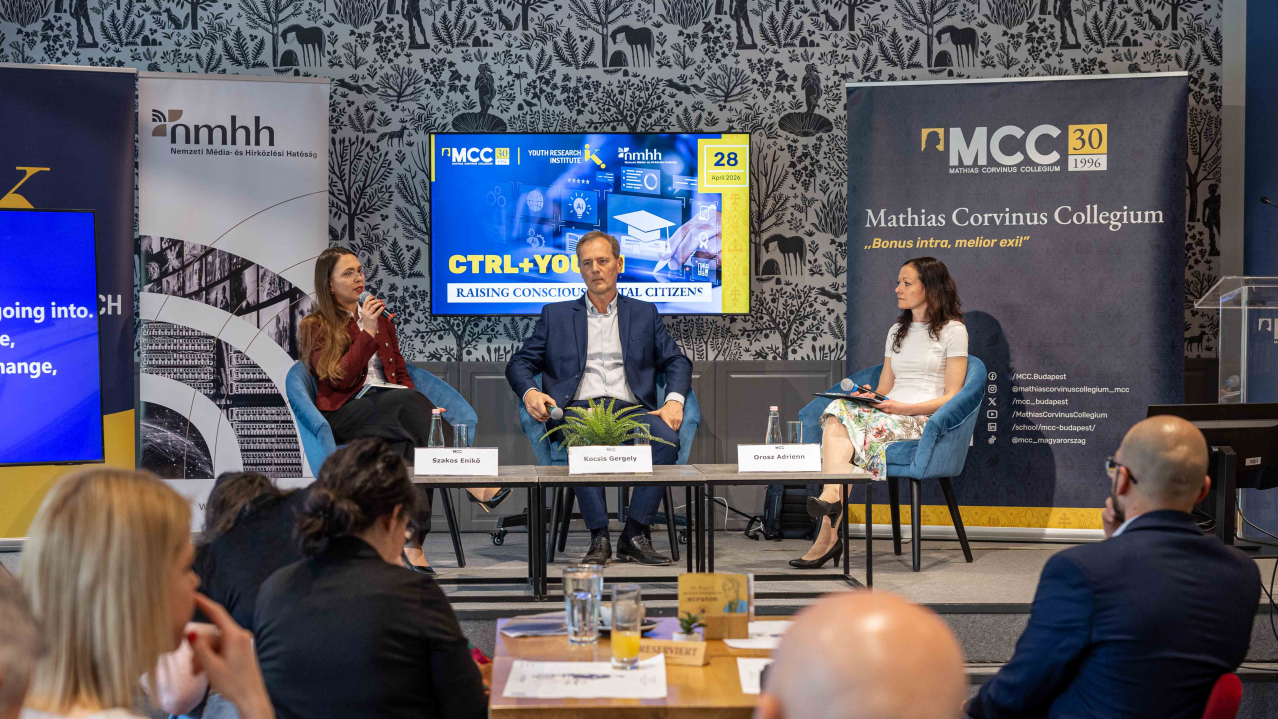
A further panel, moderated by Adrienn Orosz, featured Enikő Szakos, Researcher at the Learning Institute, and Gergely Kocsis, Technology and Legal Expert at the Artificial Intelligence Council. The discussion highlighted adaptability and conscious technology use as key skills, while stressing the enduring importance of critical thinking and the guiding role of teachers.
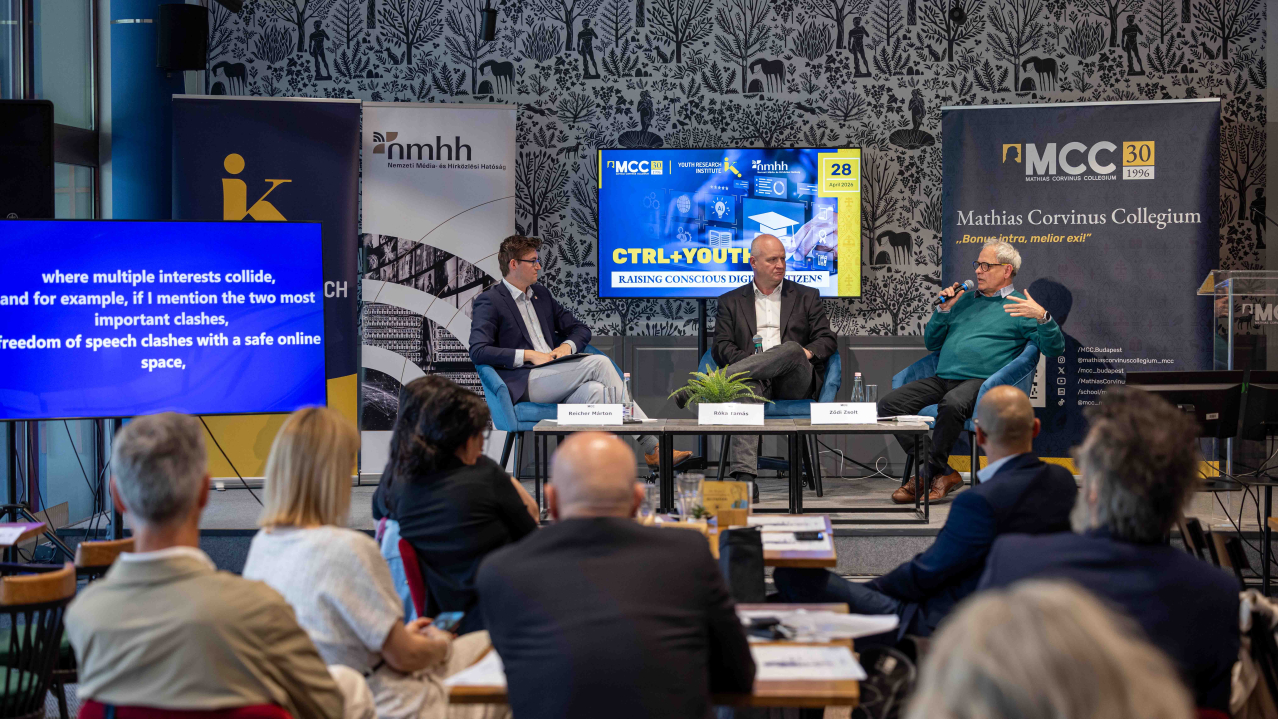
The closing panel, moderated by Márton Reicher, included Zsolt Ződi, Researcher at the Ludovika University of Public Service, and Tamás Róka, Head of Department at the National Media and Infocommunications Authority. The discussion addressed regulatory challenges, the protection of younger users, and the limitations of current moderation practices.
Overall, the conference underscored a clear shift in approach: rather than restriction, the focus must be on strengthening user competencies, fostering responsible digital behavior, and integrating technology in a value driven way.