A cigarette butt is one of the most insidious forms of pollution – seemingly harmless at first glance, but in reality a true capsule of poison.
The cigarette butt kills slowly and silently in two ways. First, it harms the smoker when the cigarette is consumed, and then it harms the environment when the remainder is discarded.
While the health risks of smoking are widely known, many people have no idea how severely cigarette butts damage the environment. The filter is specifically designed to trap the most toxic substances in smoke, which means they all remain in the butt.
A single cigarette butt can contain nearly a hundred different toxic substances, including lead, cadmium, arsenic, mercury, formaldehyde, benzene, hydrogen cyanide, naphthalene, and phenol. Many of these are carcinogenic, mutagenic, neurotoxic, or harmful to the hormonal system.
When butts are thrown away, rainwater washes these toxic substances out of them, allowing them to enter surface and groundwater, soil, and even the food chain. Cigarettes therefore harm not only the smoker’s health but also wildlife and, in the long run, our own living conditions.
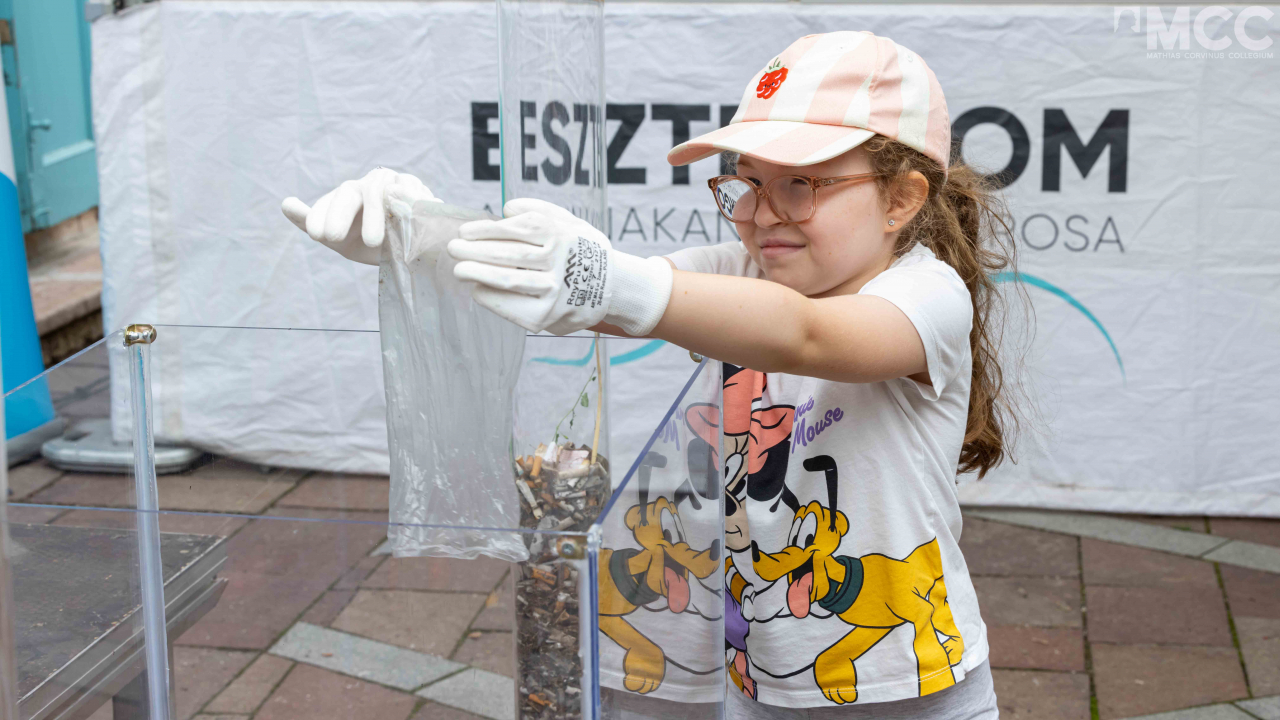
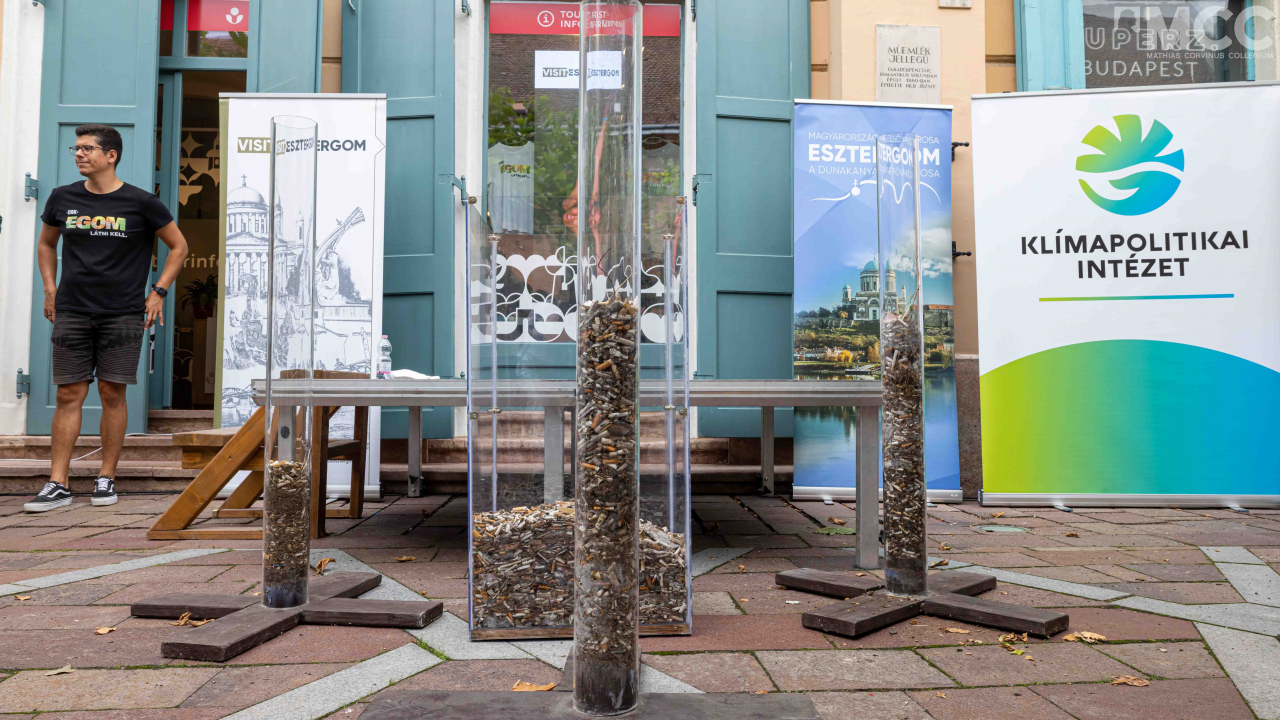
This danger was highlighted by the cigarette butt collection environmental campaign held as a traditional pre-event of MCC Feszt, jointly organized by the Climate Policy Institute and the City of Esztergom. During the event, enthusiastic volunteers cleaned public spaces in the city of discarded butts, setting an example of how each of us can contribute to a cleaner and more liveable environment.