At this year’s ENYSSP conference, Ákos Fülöp, head of the Center for Sport and Performance at MCC, Dominik Sárkány, research teacher, and MCC students Hargita Csenge Pozsik, Rita Stefán, Anna Júlia Ferenc, and Laura Quayum represented the Center for Sports and Performance to gain new insights, share their experiences, and connect with the international sport psychology community.
This June, Greece became the European center for young sport psychology professionals for a week, as it hosted the 20th ENYSSP (European Network of Young Specialists in Sport Psychology) conference. The anniversary event was not only about professional development, but also about human connection and the growth of the sport psychology community. This article aims to offer an overview of the conference and highlight its key events.
This year’s ENYSSP conference took place in a special location—Greece, the cradle of the Olympic Games—where, even in ancient times, the development of body and mind was at the heart of education. Today, sport psychology continues to explore this inseparable connection: how we can grow as individuals and achieve our best performance while maintaining mental balance. Just like ancient physical practices—such as running—that once served as tools for survival and growth, modern sport offers opportunities to better understand the workings of our body and mind, as well as the subtle connections between them. The conference offered insights into this complex process: how we can support athletes in both their personal development and performance.
Building on the developmental mindset that underpins sport, one of the main goals of this year’s ENYSSP conference was to create a platform for international professionals where asking questions is not a sign of uncertainty but of courage; where differences in background and experience do not divide but unite. This was a worthy celebration of ENYSSP’s 20th anniversary, and a fitting continuation of the Olympic tradition, which sees physical movement not only as a path to bodily growth, but also to mental development—especially when pursued in a community.
Opening day
The conference was opened by Prof. Xavier Sanchez, a key figure in the ENYSSP sport psychology community. In his keynote lecture “Building a Career in Sport Psychology in Europe: A European Perspective,” he shared three decades of professional and personal experience—speaking honestly about challenges, relocations, decisions, and the price that sometimes must be paid for growth. One of his most memorable quotes was:“Every decision is also a sacrifice. The question is not what we gain—but what we are willing to give up.”This thought perfectly captured the central message of his presentation: a professional career is not a linear path, but a series of decisions, adaptations, and continuous self-reflection.
Mental health in the focus of sport psychology
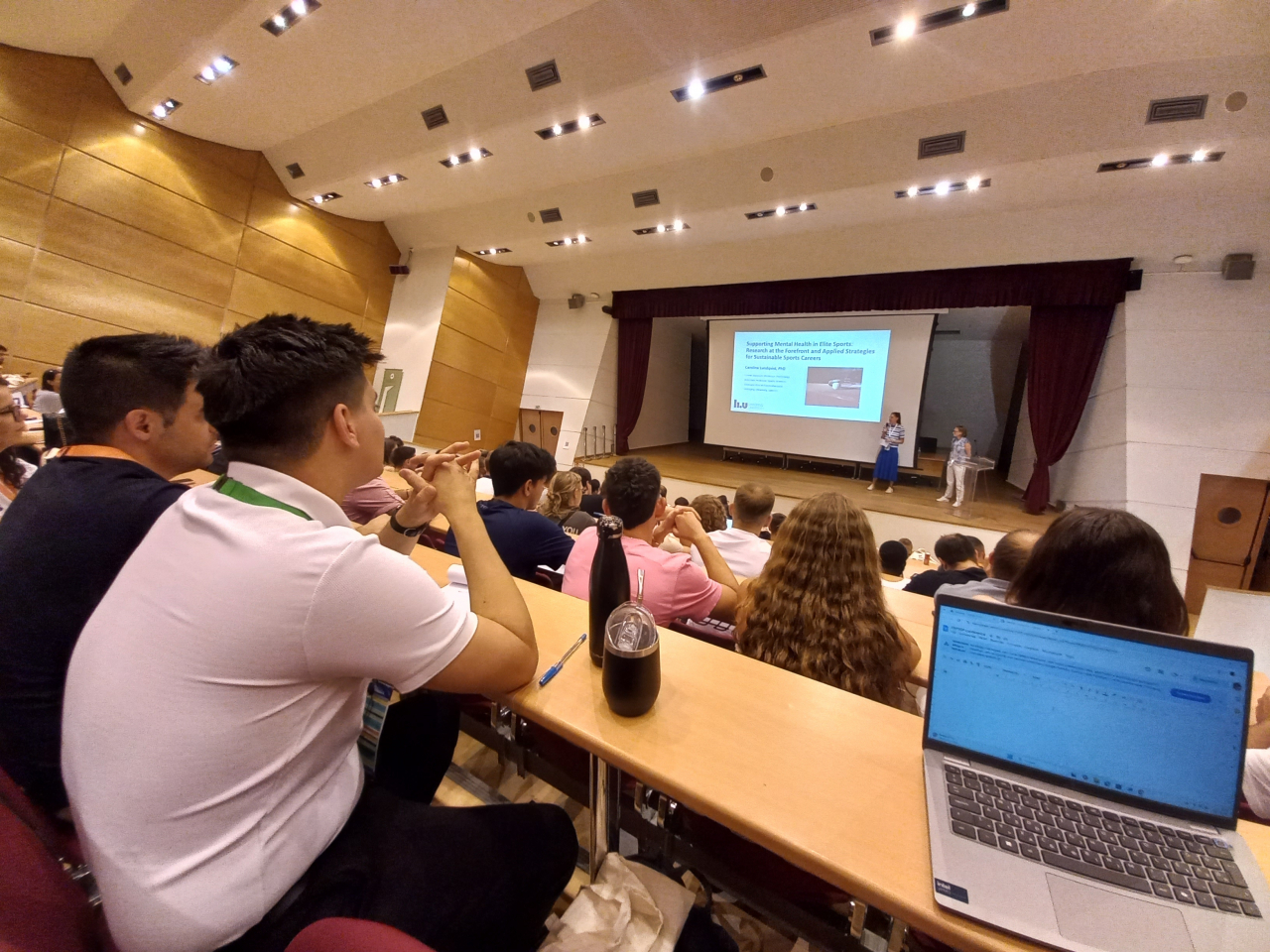
In recent years, mental health has become a central topic of both social and professional discourse worldwide—sport has been no exception. Carolina Lundqvist’s lecture and practical workshop focused on the mental well-being of elite athletes, emphasizing that this is not only an individual issue, but also a systemic responsibility.
She offered guidance on how to distinguish between the natural mental strain associated with sport and actual mental health problems. This is particularly important in environments where high pressure and pushing limits are culturally normalized, often masking serious psychological difficulties. The following examples can help in making this distinction:
Symptoms related to normal mental strain:
- Feeling stressed or nervous before an important competition
- Feeling down after an injury / feeling low when recovery is incomplete
- Sadness after an unfortunate event
Symptoms indicating mental health problems:
- Loss of interest in the outside world, ignoring surroundings, social withdrawal
- Recurring thoughts about death or a sense that life has no meaning
- Persistent fatigue or depression
- Frequent angry outbursts without knowing the trigger
- Intense, paralyzing anxiety on a daily basis
- Obsessive thoughts about food or body image
Another milestone in the mental health discussion was Wojciech Waleriańczyk’s presentation on diagnostic opportunities in mental health. He presented the opportunities and challenges encountered during a large-scale study of over 1,000 elite Polish athletes. The lecture highlighted the preventive nature of assessing mental health: data-driven early detection can allow timely access to support.
The assessments were conducted using the Polish-adapted SMHAT-1 and complementary clinical interviews, demonstrating the importance of mapping mental health in a complex, culturally and sport-specific way. One of the key messages was the necessity of integrated teamwork—including sport psychologists, clinical psychologists, psychiatrists, and medical doctors—in designing and delivering effective mental health services at this scale.
Workshop of the year award
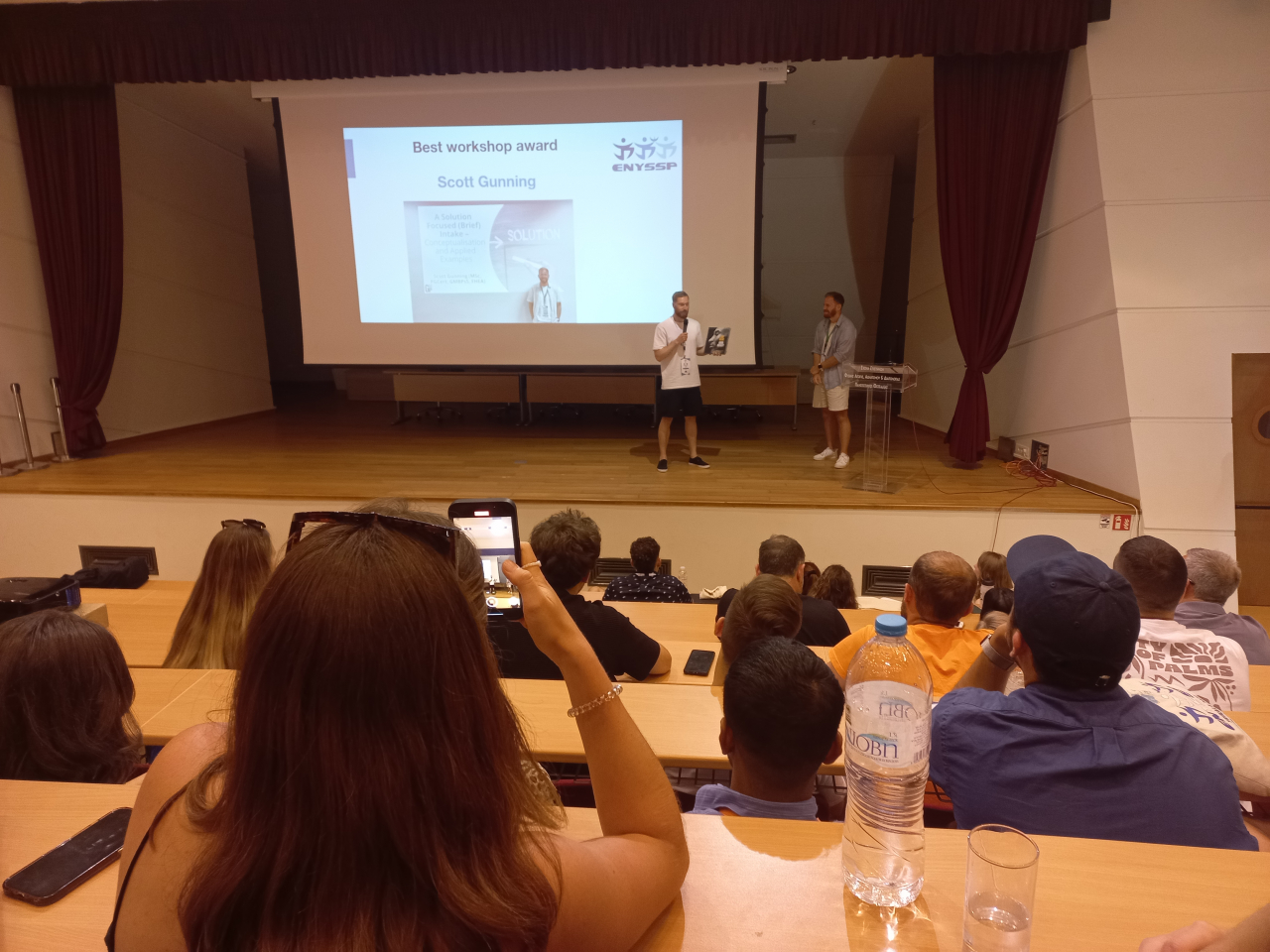
In keeping with tradition, this year’s “Best Workshop” award was also announced. The winner was Scott Gunning, recognized for his workshop focused on solution-focused sport psychology sessions. He presented an innovative approach to using Solution-Focused Brief Therapy (SFBT) in sport and performance psychology.
During the workshop, participants explored the core principles of SFBT, which builds on the client’s strengths and goals, aiming to initiate rapid change. What made this workshop particularly unique was the integration of this approach into the intake process (first session), highlighting the method’s applicability in both individual and team-based sport psychology work.
The workshop’s theme reflected the core mission of the ENYSSP conference: not merely expanding theoretical knowledge, but offering practical tools that can be directly applied in daily work—thereby creating tangible improvements in athlete support.
Closing day
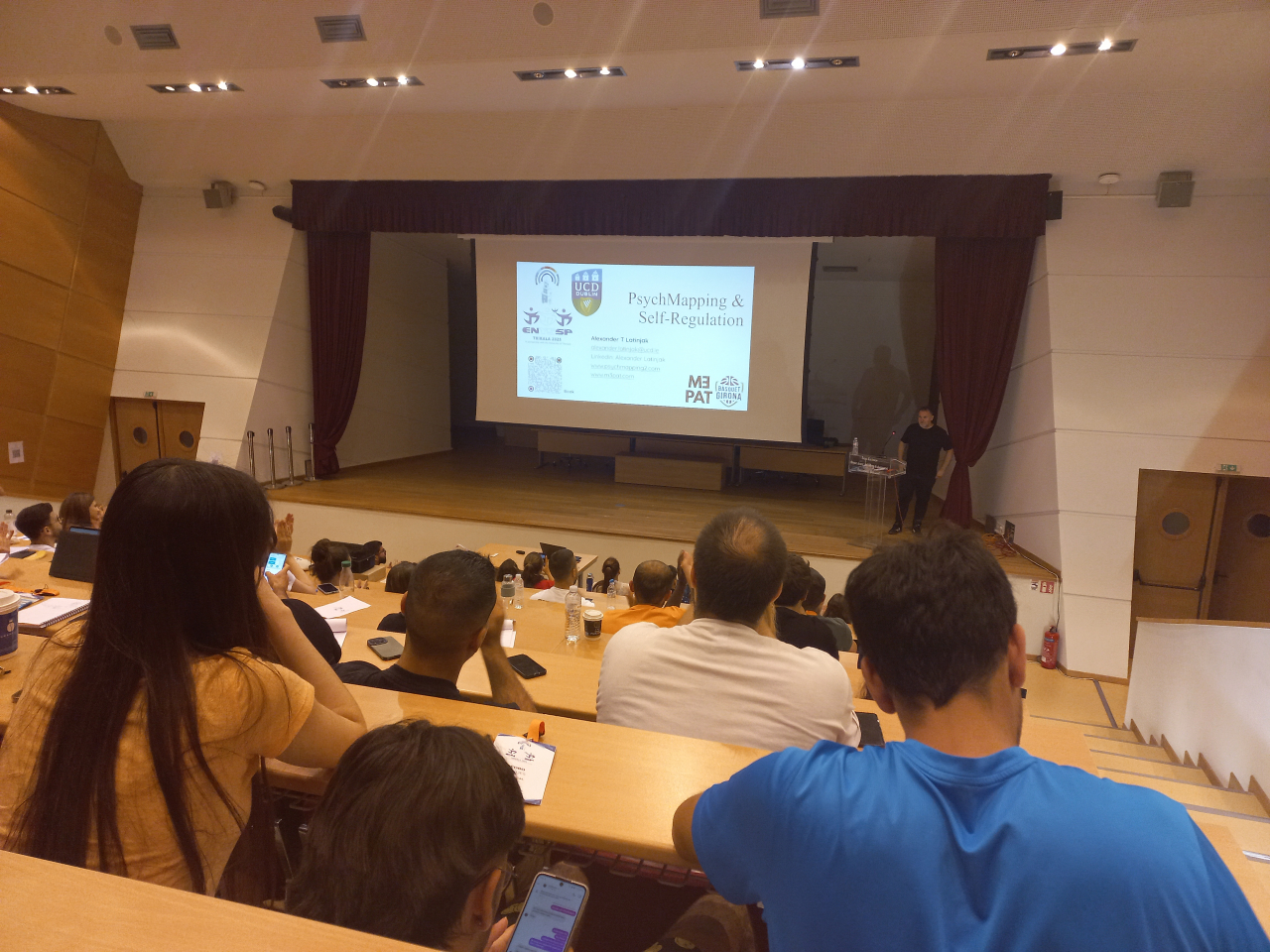
The final day of the conference featured a keynote and workshop by Alexander T. Latinjak, which provided a fitting conclusion to the event—not only in content but also in its perspective-shaping impact. He introduced the PsychMapping model, which offers an integrative theoretical and practical framework to better understand the psychological factors underlying individual functioning, behavior, and performance.
The model aims to organize the ever-growing body of scientific knowledge on sport and performance psychology into an actionable structure, while also offering tools to help athletes develop self-regulation skills.
Summary and future perspective
Over the course of three days, participants took part in different keynote presentations, workshops, and brief research discussions, along with sports activities and evening networking dinners. The event aligned with international trends, placing strong emphasis on mental health as a professional priority.
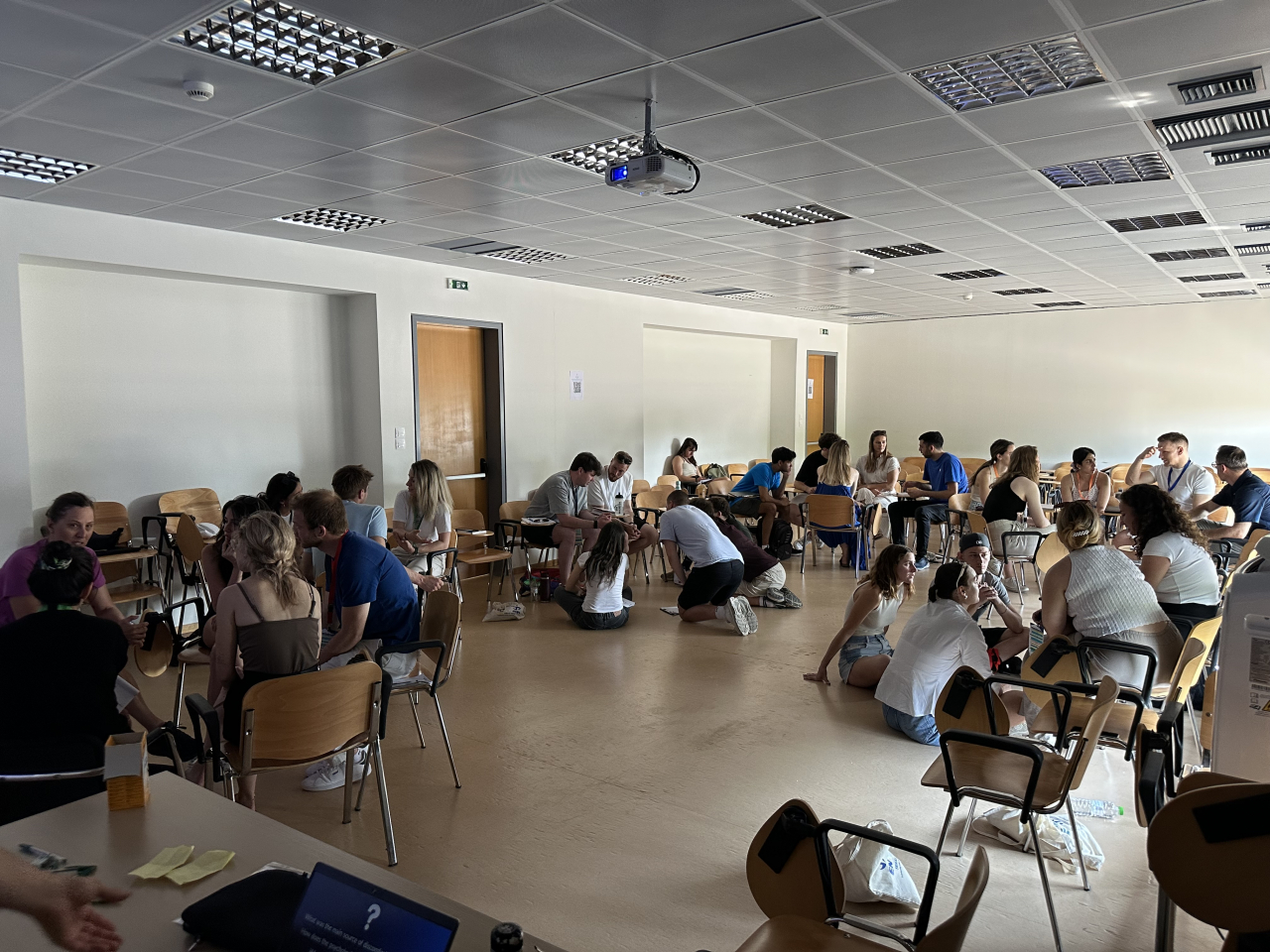
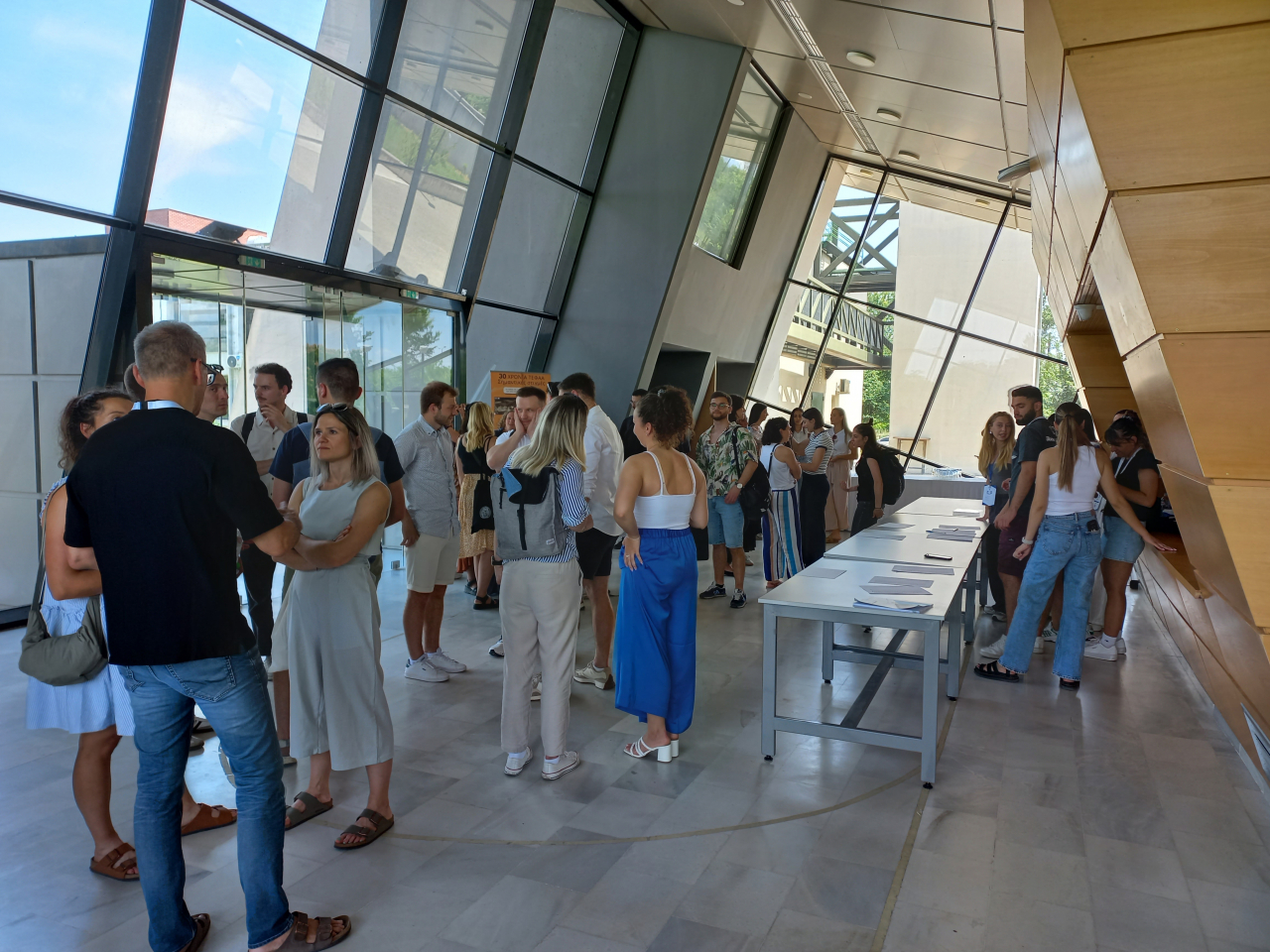
As the photos show, more than 100 of us gathered in the heart of Greece for this 20th anniversary event.
It is a special pleasure to note that each year the Hungarian delegation is growing—not just as attendees, but also as presenters. As a result, the national ENYSSP organization is revitalizing its activities. Stay tuned for upcoming events, one of whose central goals will be the adaptation of international knowledge to the Hungarian context.
In 2026, the 21st ENYSSP Conference will be hosted in Orléans, France.