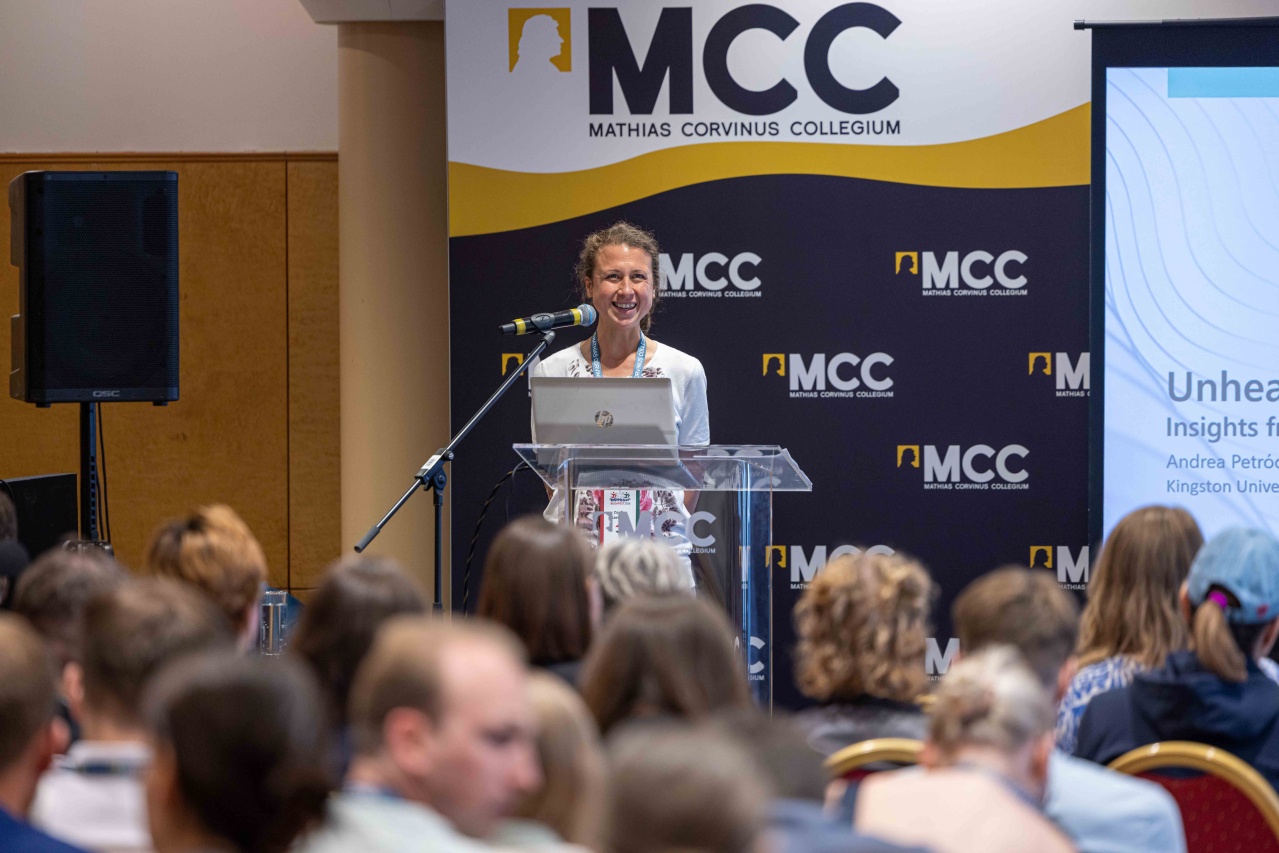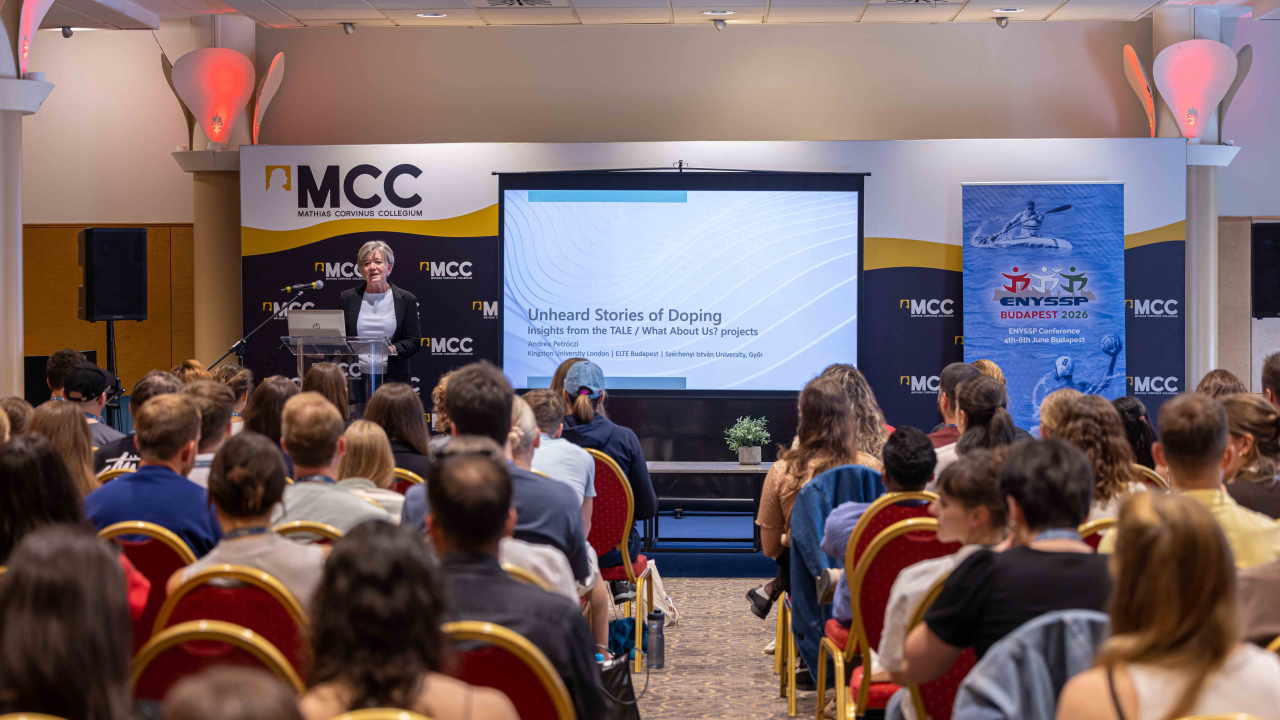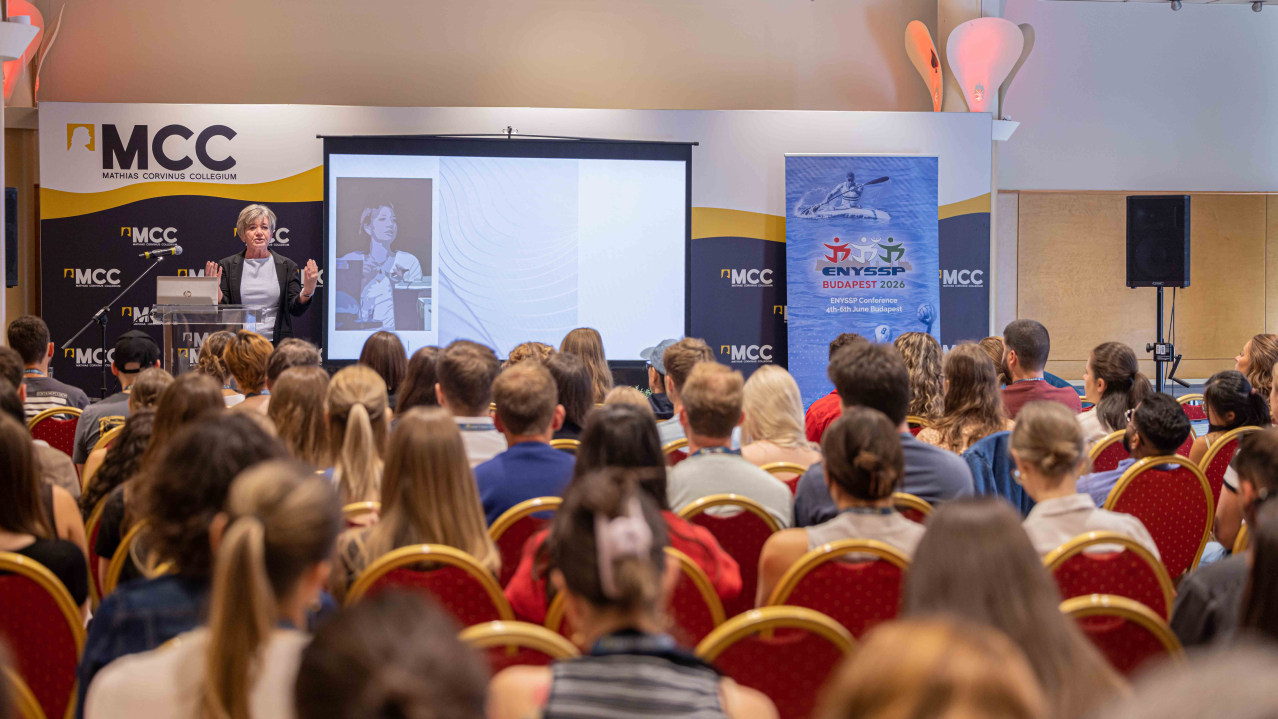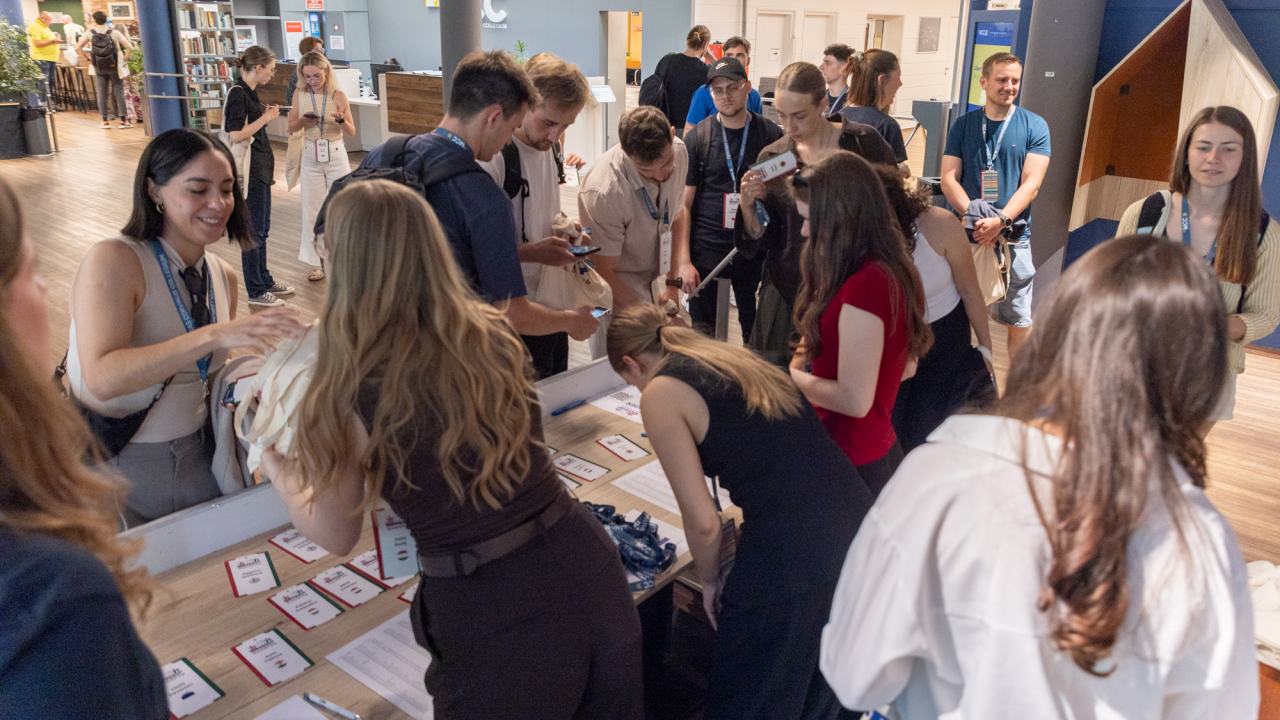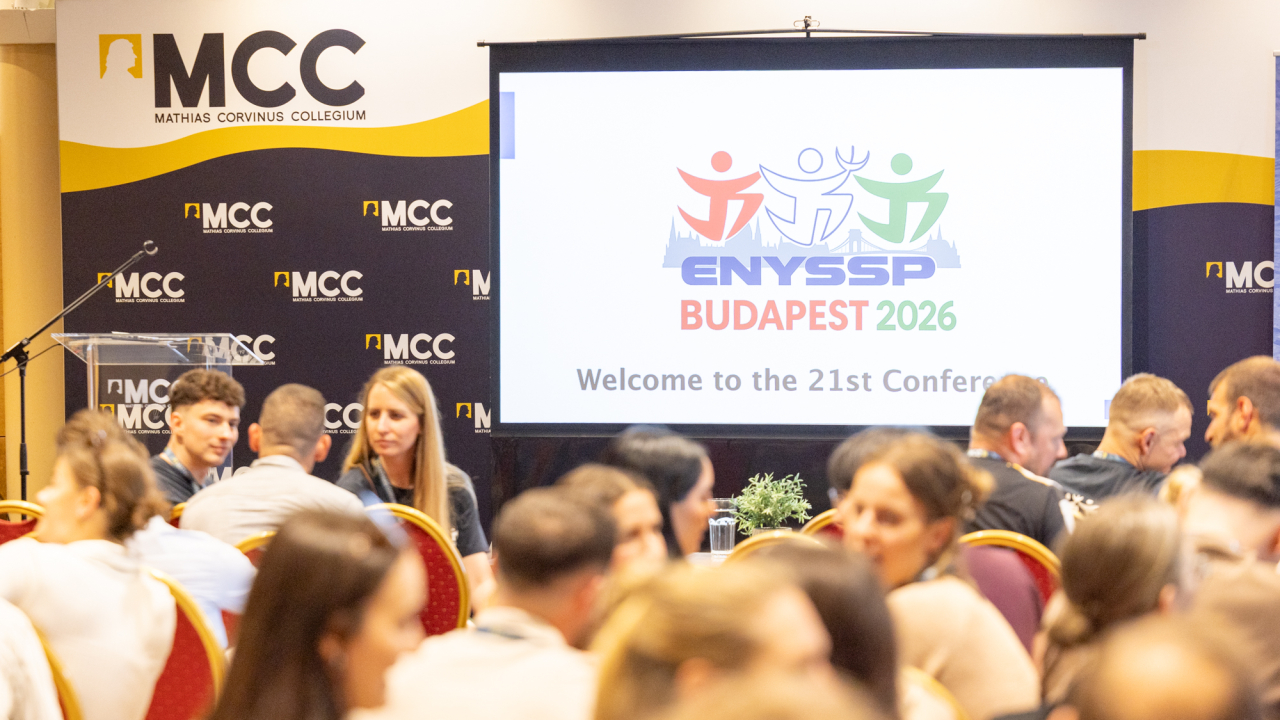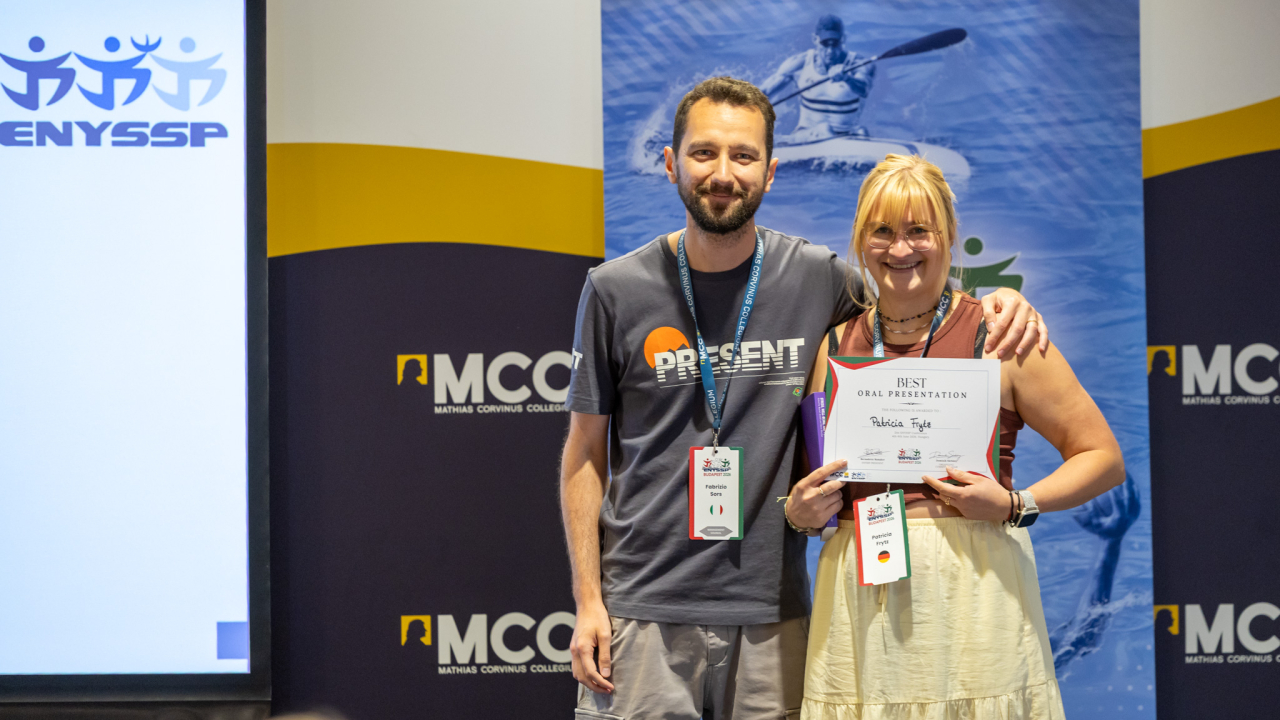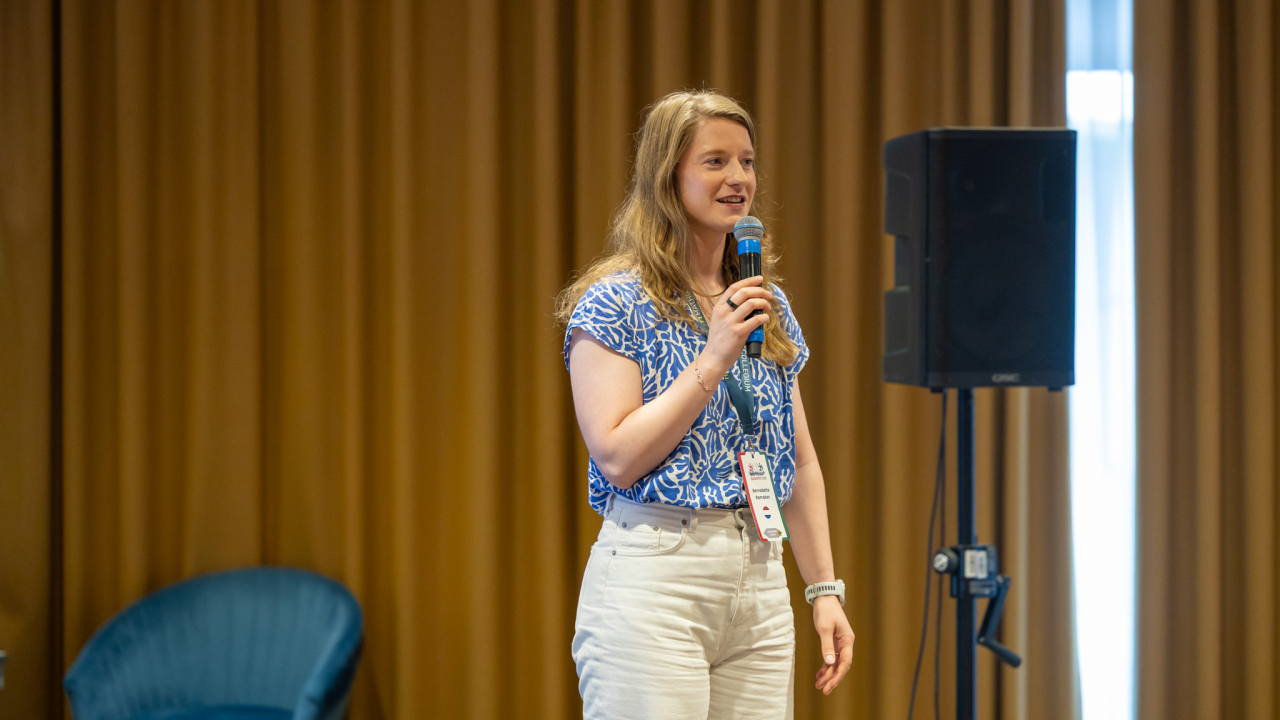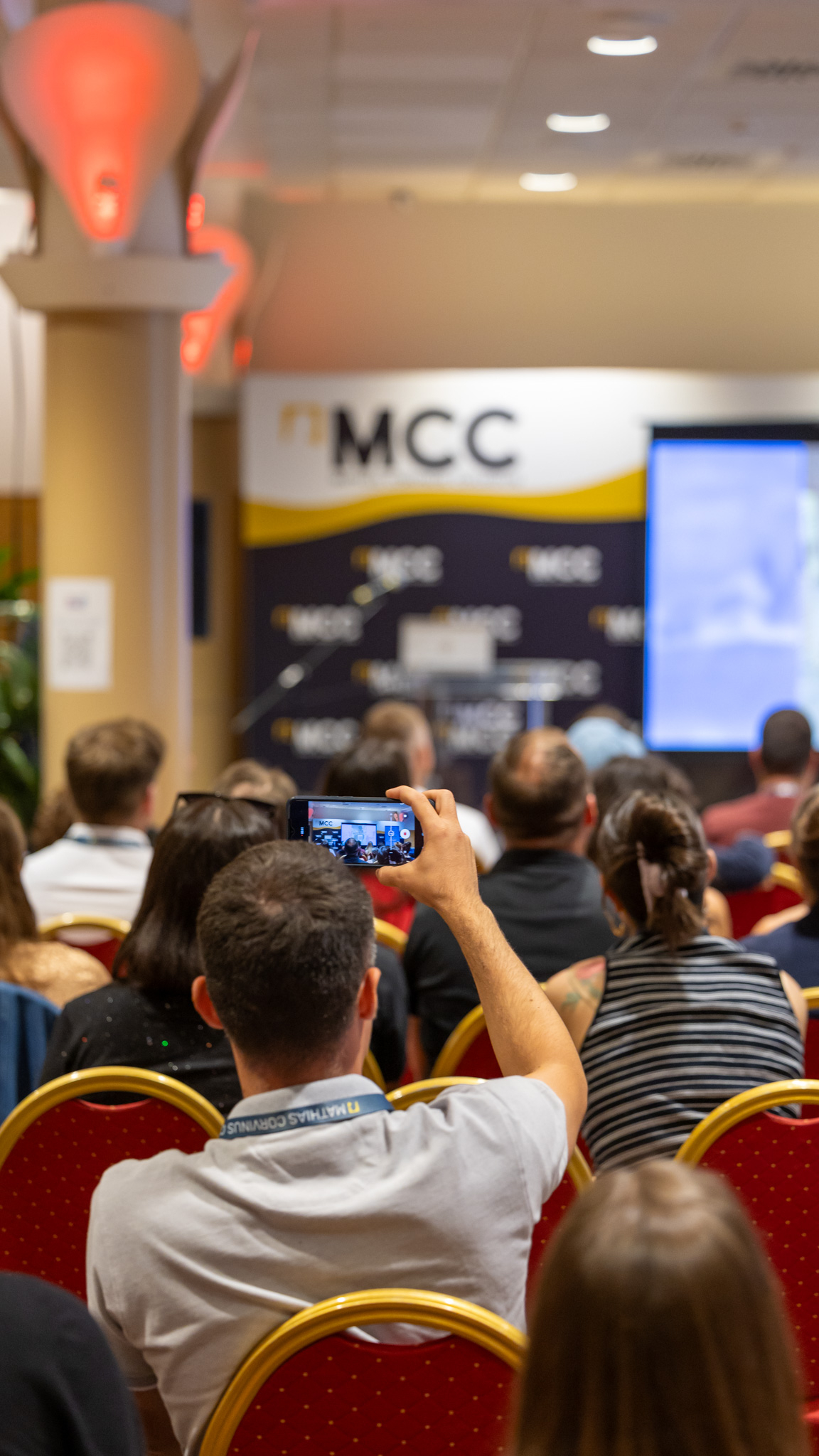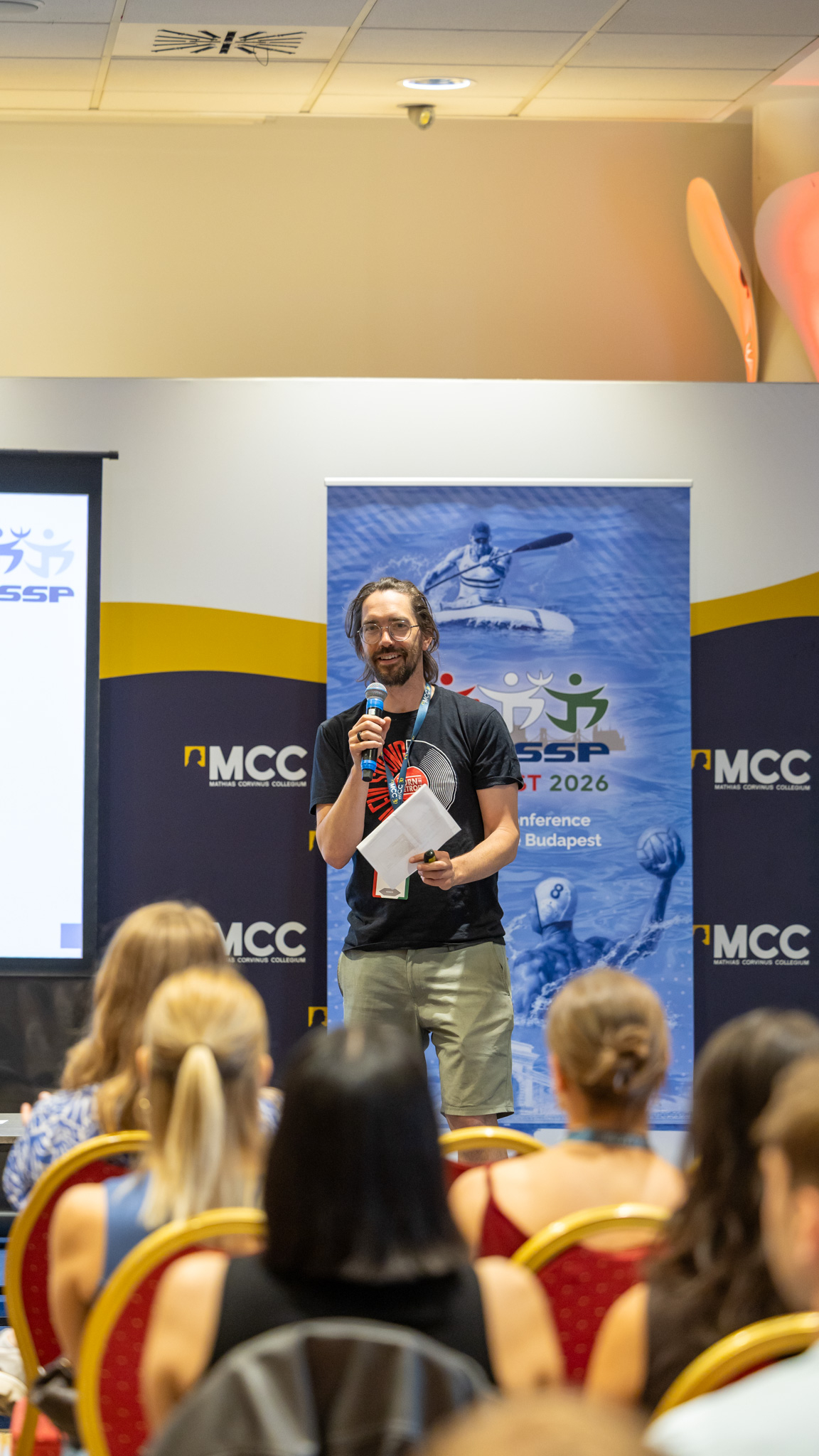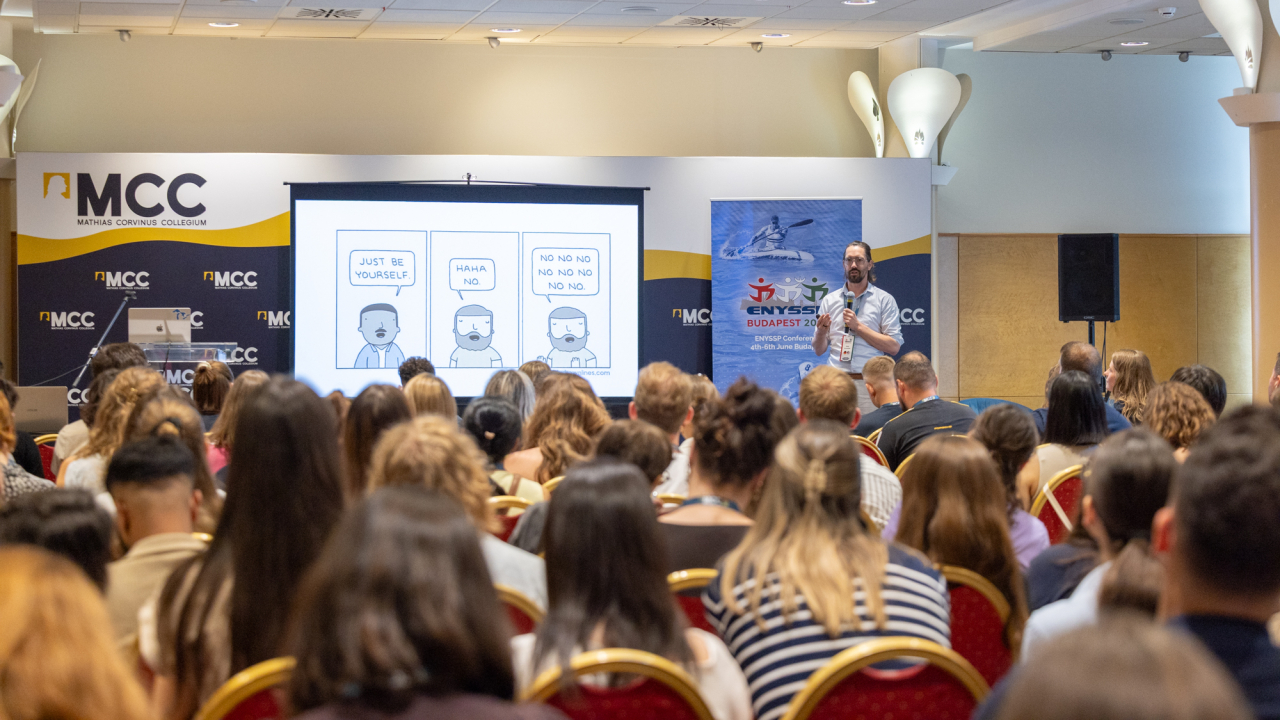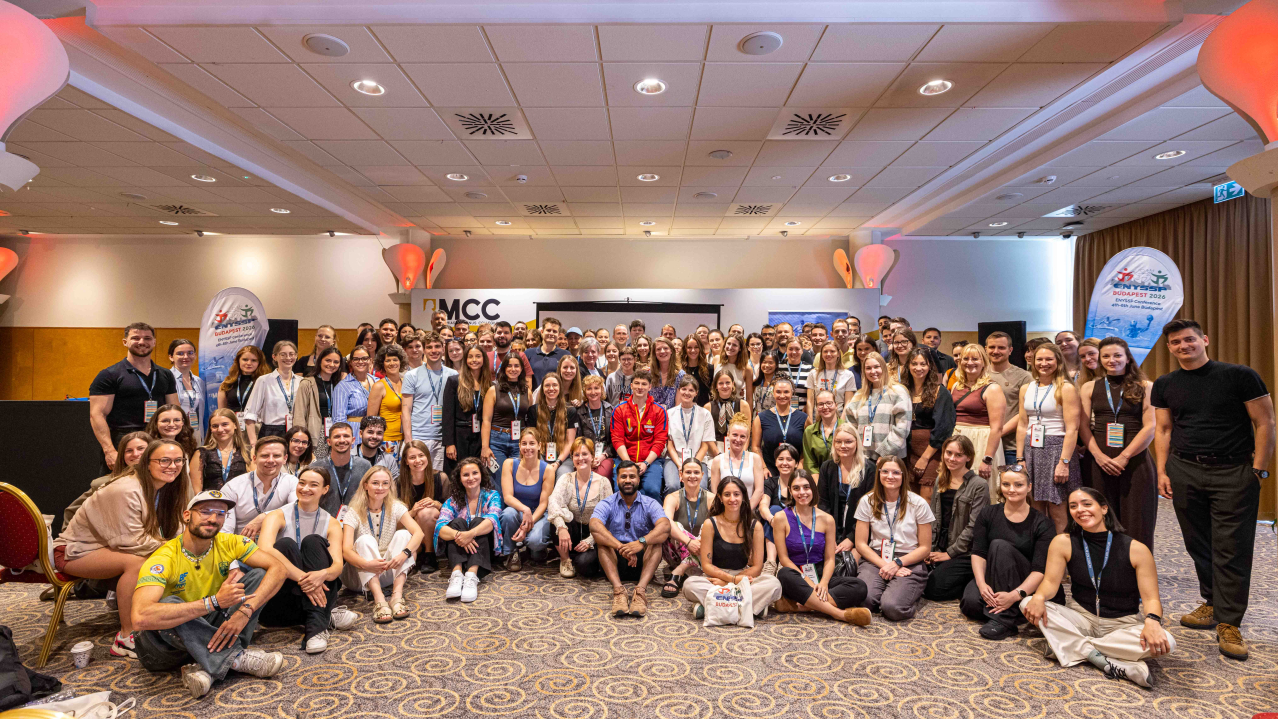
MCC Budapest hosted the annual conference of the European Network of Young Specialists in Sport Psychology (ENYSSP) this June, welcoming nearly 150 researchers, students, and practitioners from 14 countries. The 21st edition of the international event brought a significant number of participants to the Hungarian capital from abroad, reaffirming ENYSSP's role as one of Europe's leading platforms for early-career sport psychology professionals.
For more than two decades, ENYSSP has provided a platform for young researchers, students, and practitioners interested in sport psychology. Beyond showcasing the latest scientific findings, the organization helps early-career professionals build international connections, exchange experiences, and learn from experts in the field.
The conference opened with a keynote lecture by Dr. Peter Schneider, sport psychologist and consultant at the FC Augsburg Academy. Drawing on his international experience, Schneider explored how athletes can develop confidence and self-belief in environments shaped by exceptional performers and role models. His presentation also addressed athlete development, group dynamics, and athletic identity.
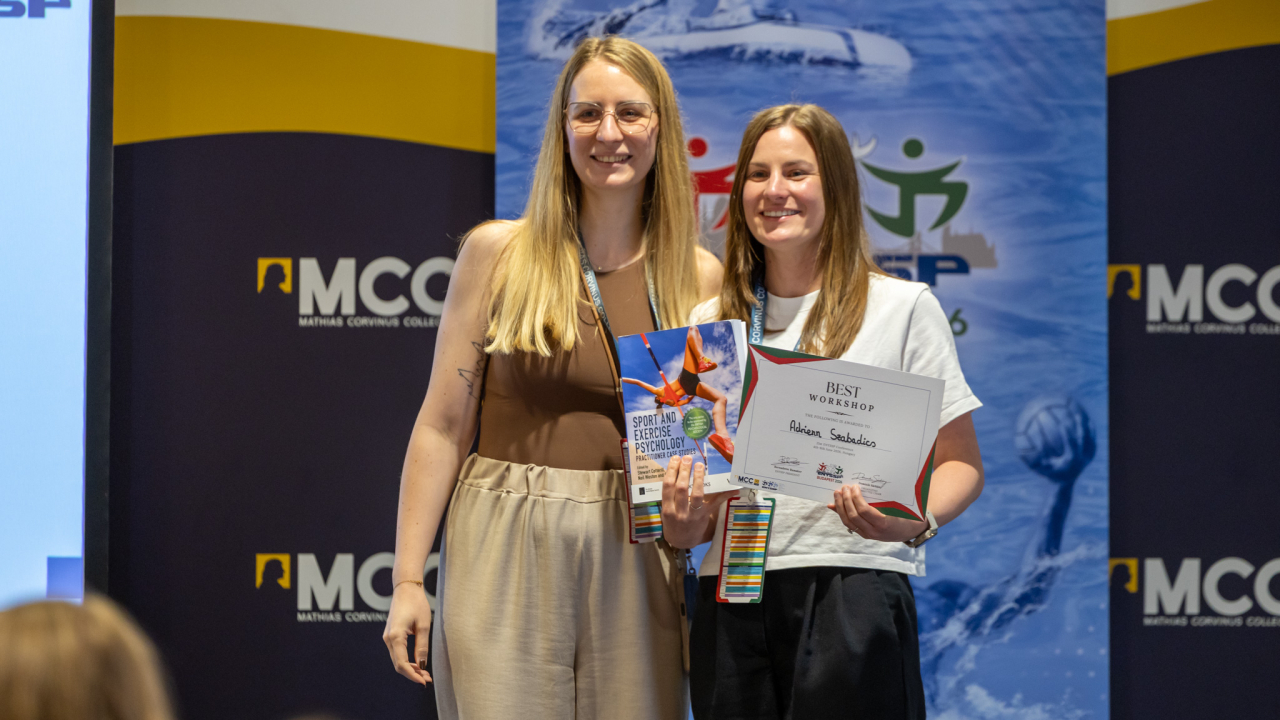
Participants then took part in four parallel workshops featuring practical exercises, case studies, and interactive discussions on athlete mental health, performance psychology, team dynamics, and intervention methods across different sporting contexts. The program also included four short scientific presentations by young researchers.
This year's conference focused on three key themes: the relationship between mental health and performance, sustainable athlete development, and the systemic improvement of sporting environments. A common message emerged throughout the event: sport psychology now plays a vital role not only in performance but also in supporting long-term development, well-being, and healthy sporting communities.
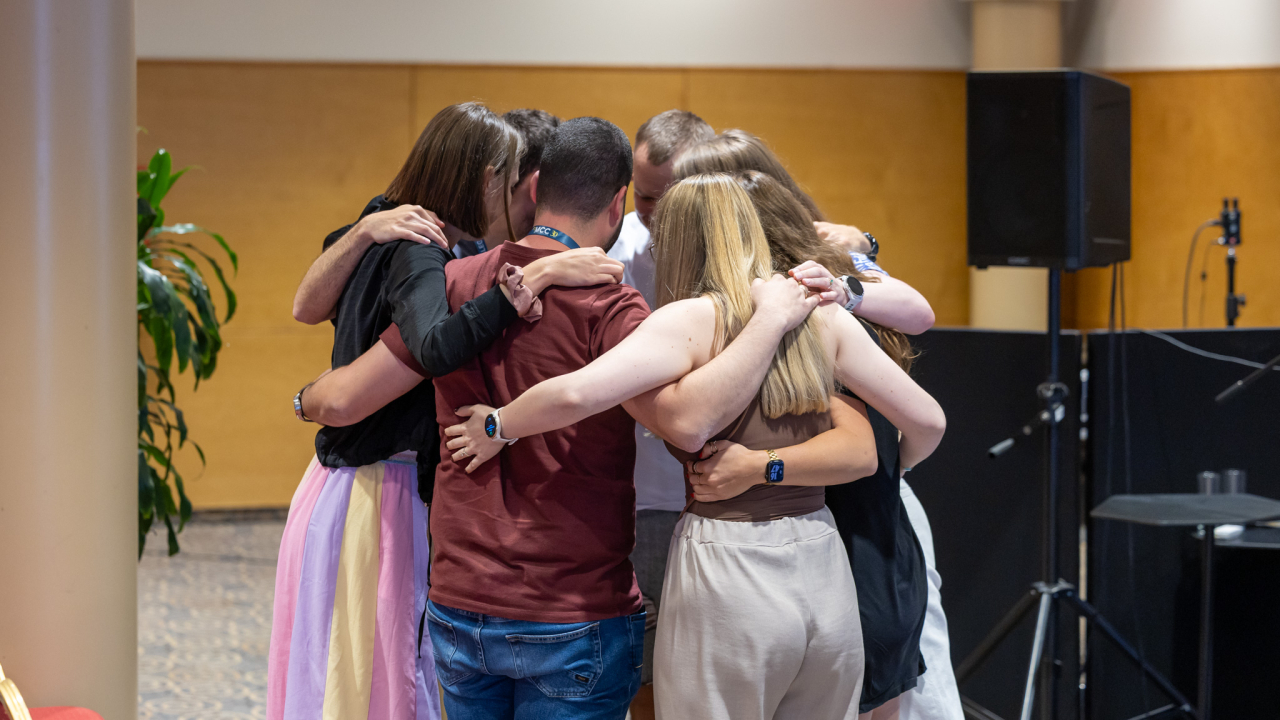
Community building, one of ENYSSP's core missions, was also an important part of the program. Participants took part in a treasure hunt through Budapest's historic Buda Castle District, competing in international teams while building new professional connections.
The conference provided a valuable opportunity for Hungarian researchers, practitioners, and university representatives to engage with the next generation of European sport psychology professionals. At the same time, international participants gained insight into Hungarian research and professional practice.
The strong international turnout demonstrated the continuing importance of forums where scientific research and practical experience can meet, helping shape the future of sport psychology across Europe.