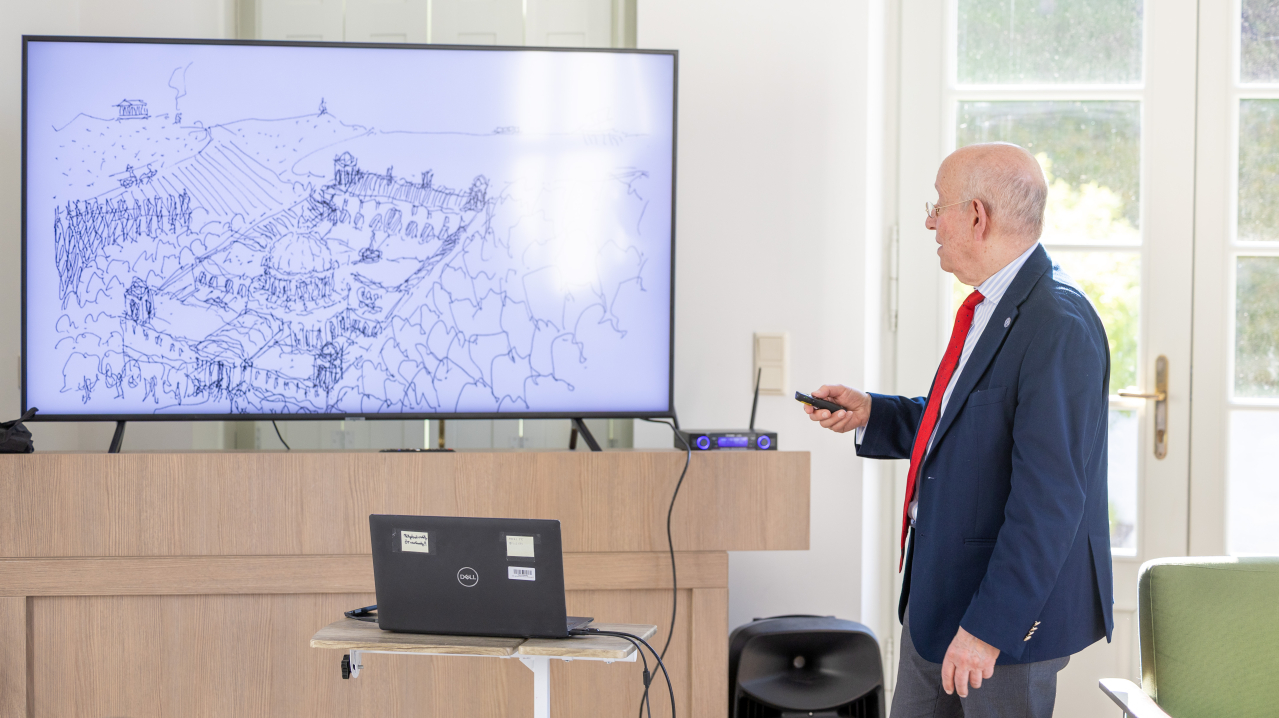
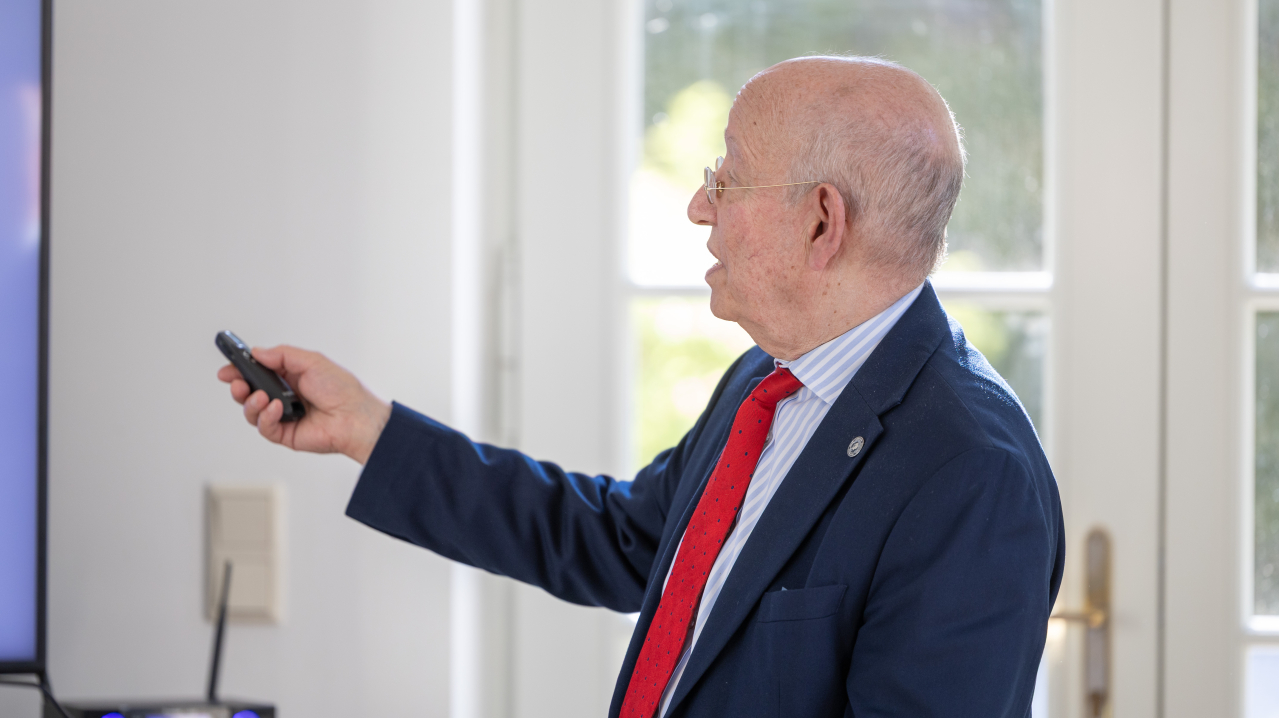
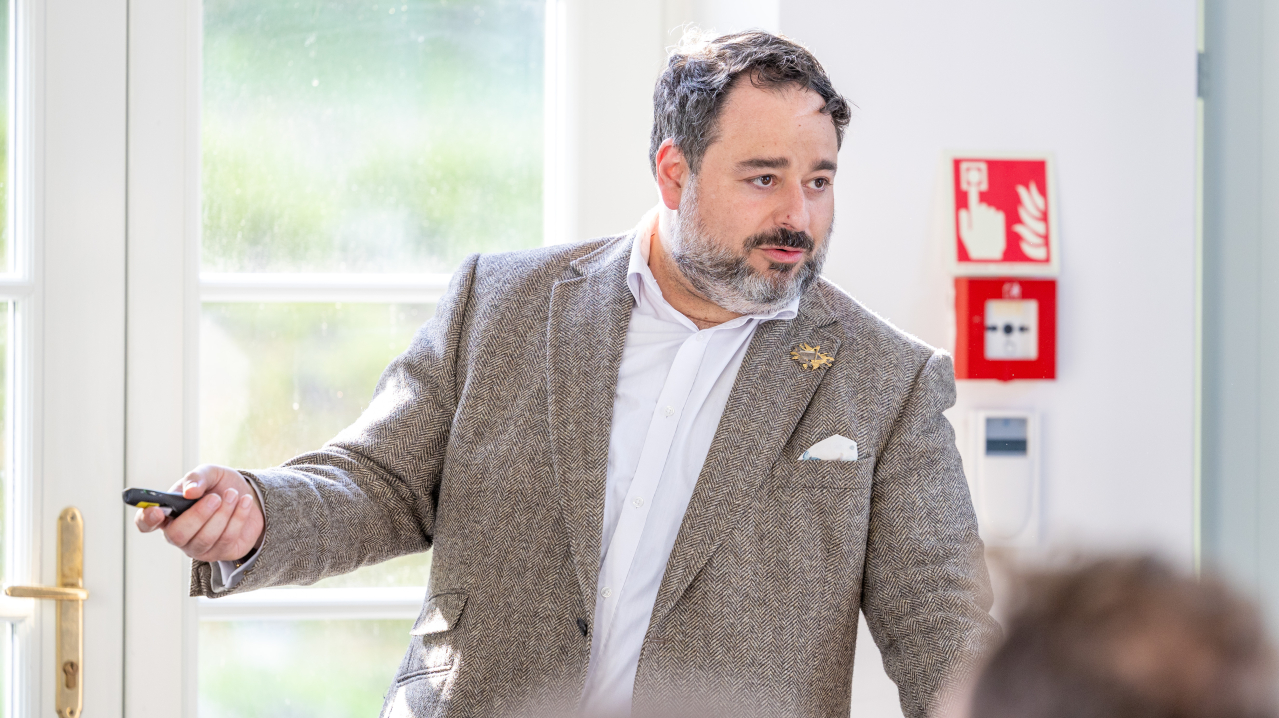
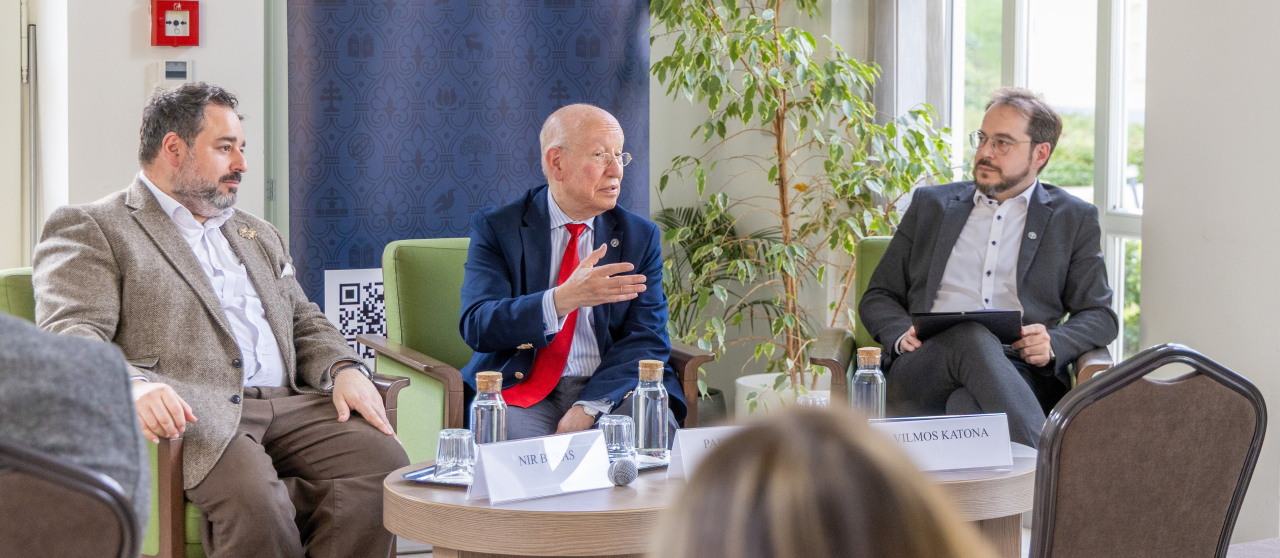
Can classical architecture still offer answers to the challenges of modern cities? This question shaped a recent discussion led by Dr. Nir Buras, founder of the Classic Planning Institute, and Pablo Alvarez Funes, the institute’s Educational Director, who introduced participants to the ideas behind traditional urbanism and the continuing relevance of classical architecture today.
Opening the discussion, Dr. Nir Buras presented the philosophy of the Classic Planning Institute and explained how classical planning reflects the way cities were designed before modernist approaches reshaped urban development. He described architectural moldings as the “letters” of a language that together form the vocabulary of classical design. According to Buras, classicism is one of the freest architectural styles because it allows room for creativity and individuality while still placing beauty at the heart of the design process.
Beyond aesthetics, Buras also emphasized the human dimension of architecture. He spoke about the importance of authenticity, craftsmanship, and creating spaces that genuinely improve people’s quality of life. The institute’s approach, he explained, is rooted in a holistic understanding of urbanism that seeks balance between town and country, craftsmanship and everyday living, while also encouraging a stronger connection to manual work and human scale.
Pablo Alvarez Funes explored the symbolic and natural dimensions of classical architecture, arguing that many of its principles are deeply rooted in nature itself. He also introduced the institute’s summer school program, where participants will study the foundations of classical architecture and apply these ideas directly to the urban environment of Budapest through practical projects and workshops.
Closing the discussion, Funes emphasized that the past should not be viewed as separate from progress. Instead, tradition can serve as an essential foundation for the future. The event offered participants a fresh perspective on how classical architectural principles may continue to shape more livable, beautiful, and human centered cities in the years ahead.
Mathias Corvinus Collegium, in partnership with the Classical Planning Institute, has announced the launch of Hungary’s first summer school dedicated to classical architecture. The program aims to bring together architects, developers, planners, students, and all those interested in rediscovering and advancing a tradition that has shaped the built environment for centuries.
The two-week program will be led by Head Teacher Professor Pablo Álvarez Funes, and will offer participants a comprehensive introduction to the foundations of classical architecture. Through guidance from leading practitioners in the field, attendees will gain both theoretical knowledge and practical insight into the principles that define this enduring architectural approach.
The curriculum is designed to bridge past and present, exploring the historical development of classical architecture, its unique evolution in Hungary, and its continued relevance in contemporary design. Alongside this, participants will be encouraged to take part in the forward-looking task of revitalizing a tradition that has influenced urban and architectural landscapes for over a millennium.
Applications for the summer school are now open and will be reviewed on a rolling basis. With a limited number of places available, early application is strongly encouraged.