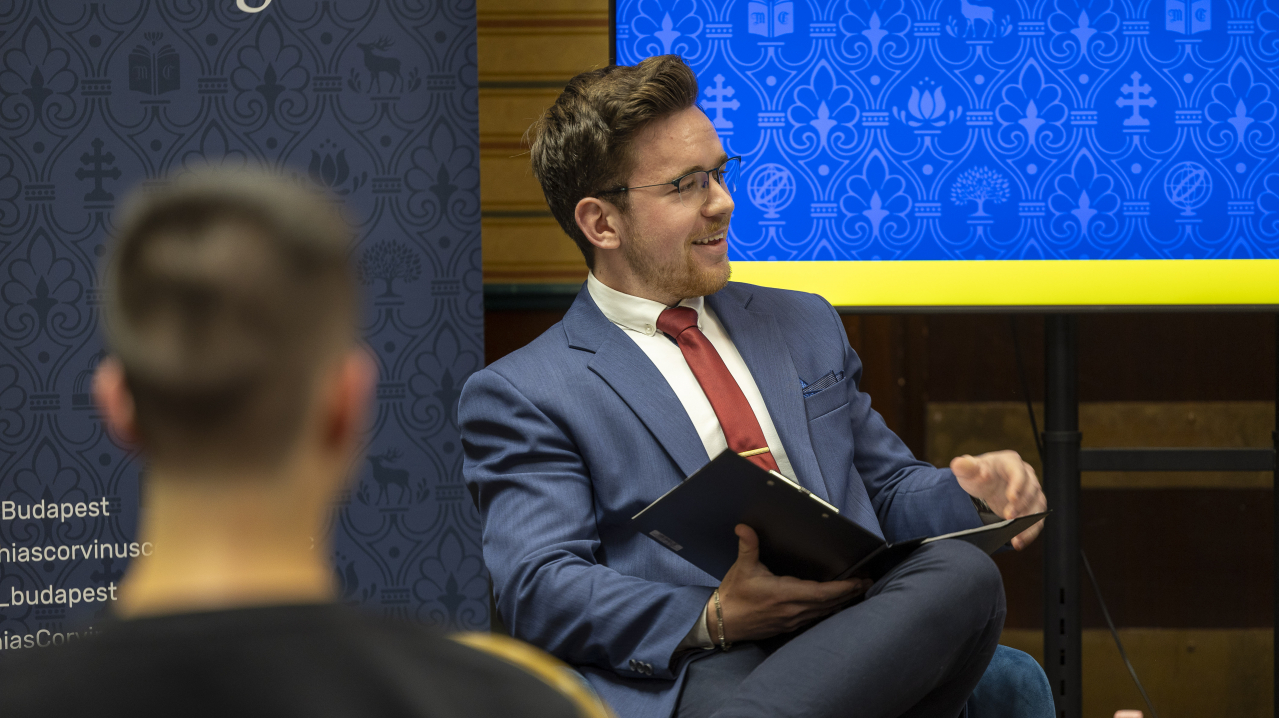
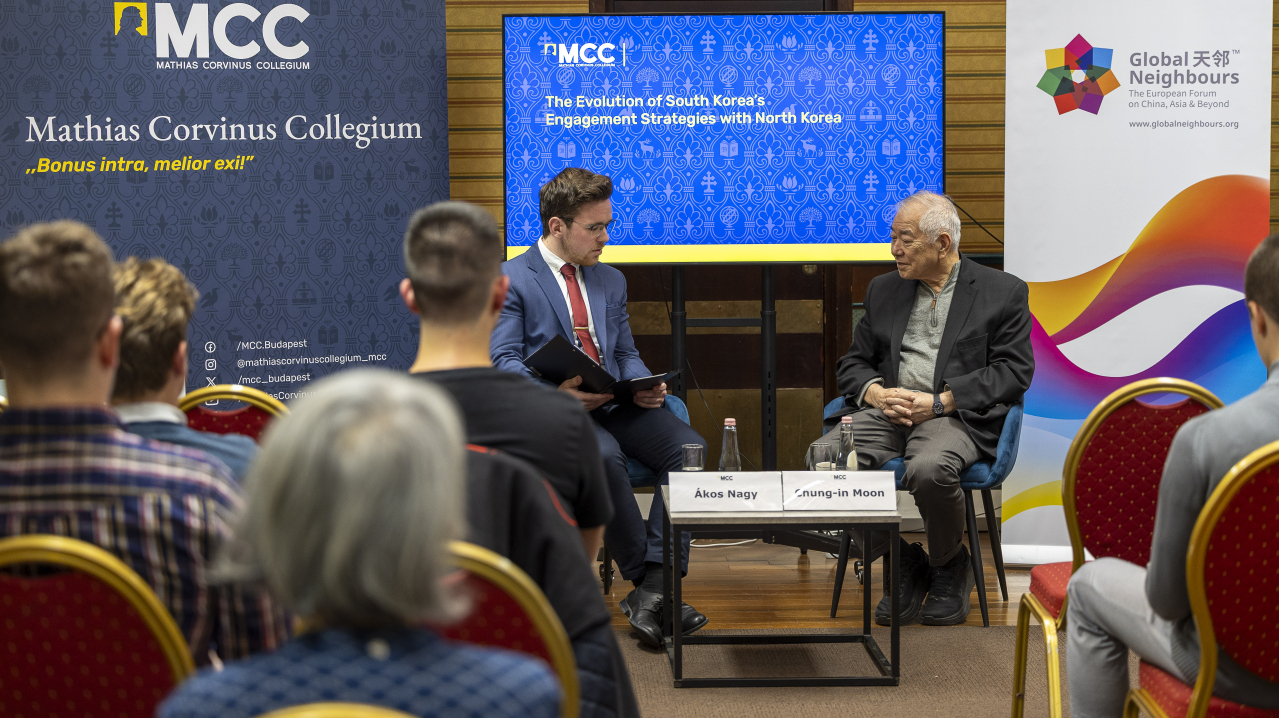
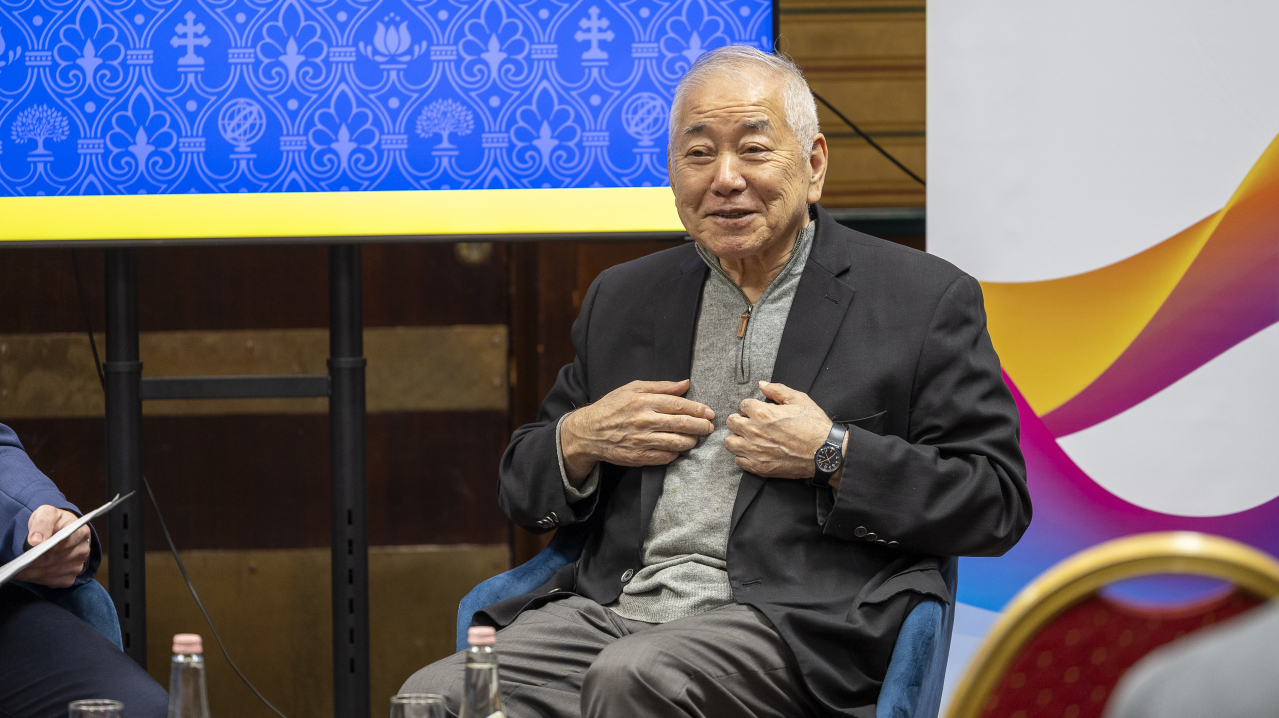
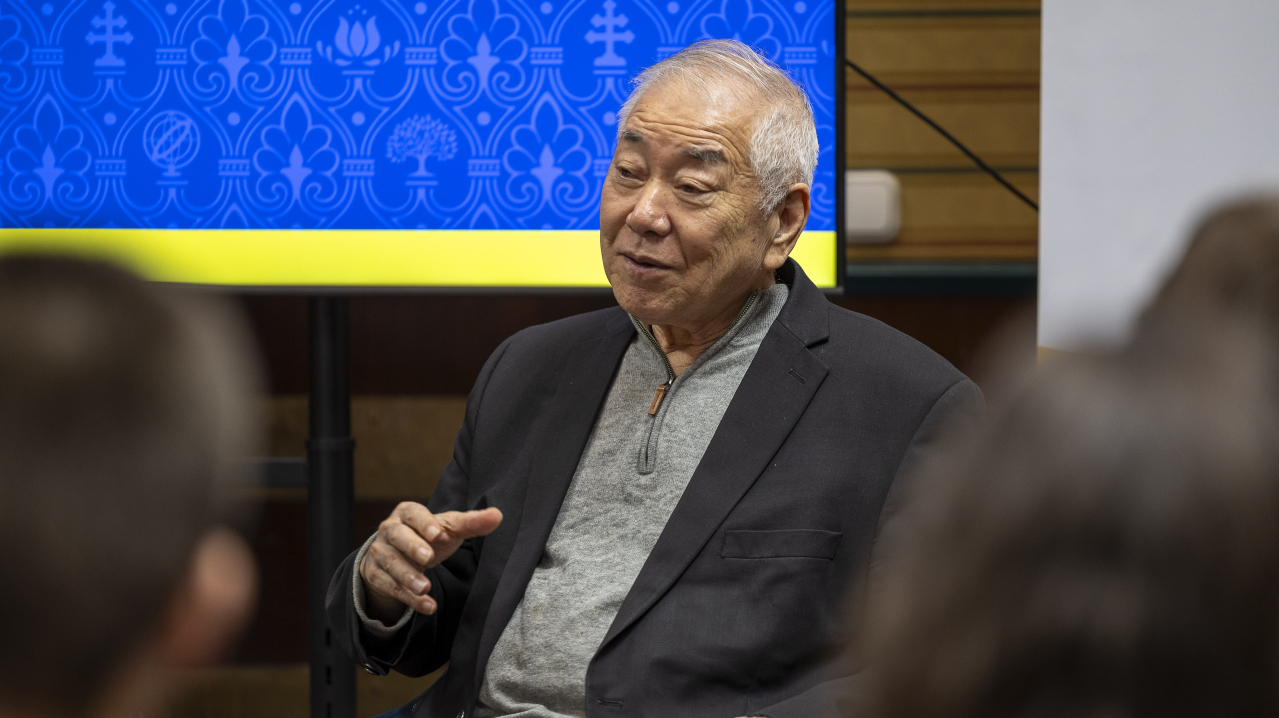
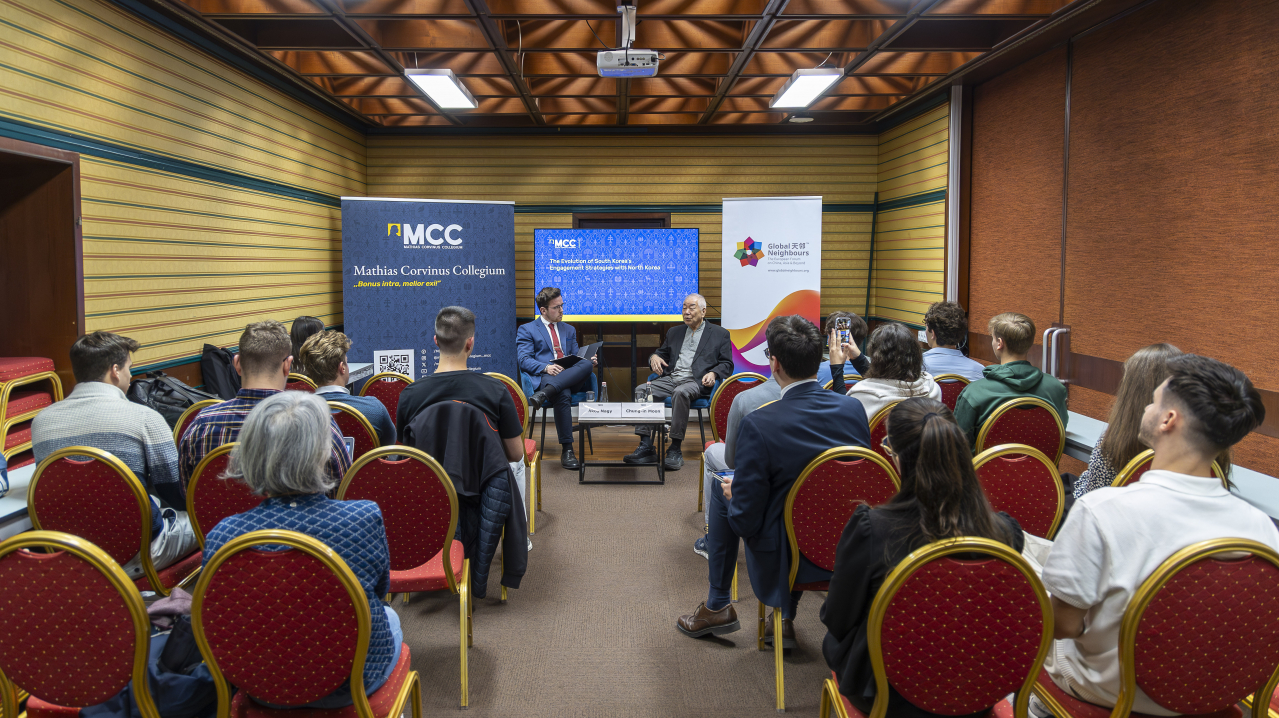
MCC recently had the honor of hosting Professor Chung-in Moon, former Special Advisor to the President of the Republic of Korea (ROK) for national security and foreign policy (2017–2021), for an exclusive discussion on South Korea’s evolving engagement strategies with the North.
Professor Moon offered a comprehensive overview of how the ROK government shifted from a hostile stance toward a policy of reconciliation and cooperation, a transformation embodied in the Sunshine Policy, which aimed to achieve peaceful unification through dialogue and mutual exchange. He outlined three core principles of the Sunshine Policy: non-toleration of military provocation by the North, rejection of unification by absorption, and the pursuit of de facto unification through the free flow of people, goods, and services.
In his analysis, Moon also contrasted the unification visions of the two Koreas. While the North advocates a federal model of unification — one people, one state, two local governments, and two systems — the South supports a union of states approach based on “one people, two states, two governments, and two systems.”
He further pointed out the growing skepticism among South Korea’s younger generations, who often perceive unification as an economic and social burden. At the same time, Pyongyang has abandoned its previous unification rhetoric, now framing inter-Korean relations as inherently hostile.
Professor Moon stressed that reducing tensions between the two Koreas remains an urgent task, though relations are currently at their lowest point, with even official communication channels severed. Despite these challenges, he concluded that the ultimate common objective should remain peace-making and peace-building on the Korean Peninsula.