MCC Brussels convened a high-profile panel discussion on Monday evening in Brussels titled October 7th and the Roots of European Anti-Semitism. The event, chaired by MCC Brussels Executive Director Frank Füredi, brought together leading thinkers and commentators to examine the evolving nature of antisemitism in the aftermath of the Hamas attacks of 7 October 2023.
The debate featured historian and political commentator Daniel Pipes (Middle East Forum, USA), journalist and author Daniel Ben-Ami, and Fanni Surjányi, Head of the Middle East Research Project at MCC Hungary.
Opening the evening, Füredi argued that much academic research on antisemitism in the 21st century has grown stagnant, trapped in repetitive frameworks. He posed a central dilemma: should scholars continue to treat antisemitism as a long-term historical phenomenon, or should they adopt a more contextual, event-based approach, such as the wave of hostility that followed the events of October 7th? Füredi identified three distinct strands of antisemitism today: the left’s identity-politics-driven hostility toward Jews, the Islamist rejection of Judaism, and the far right’s view of Jews as enemies of the white race and Christianity.
Daniel Pipes traced the modern escalation of anti-Jewish sentiment back to the 1989 Rushdie affair, when Iran’s fatwa against Salman Rushdie set a precedent for suppressing freedom of speech. He argued that this intolerance toward criticism of Islam paved the way for an intensification of global antisemitism. Pipes highlighted what he called the “competitive victimhood” dynamic between Jews and Palestinians, warning that the Gaza conflict receives disproportionate global attention compared to other wars of equal or greater scale. He also suggested that Palestinians were being deliberately trapped in a deadly struggle they cannot win.
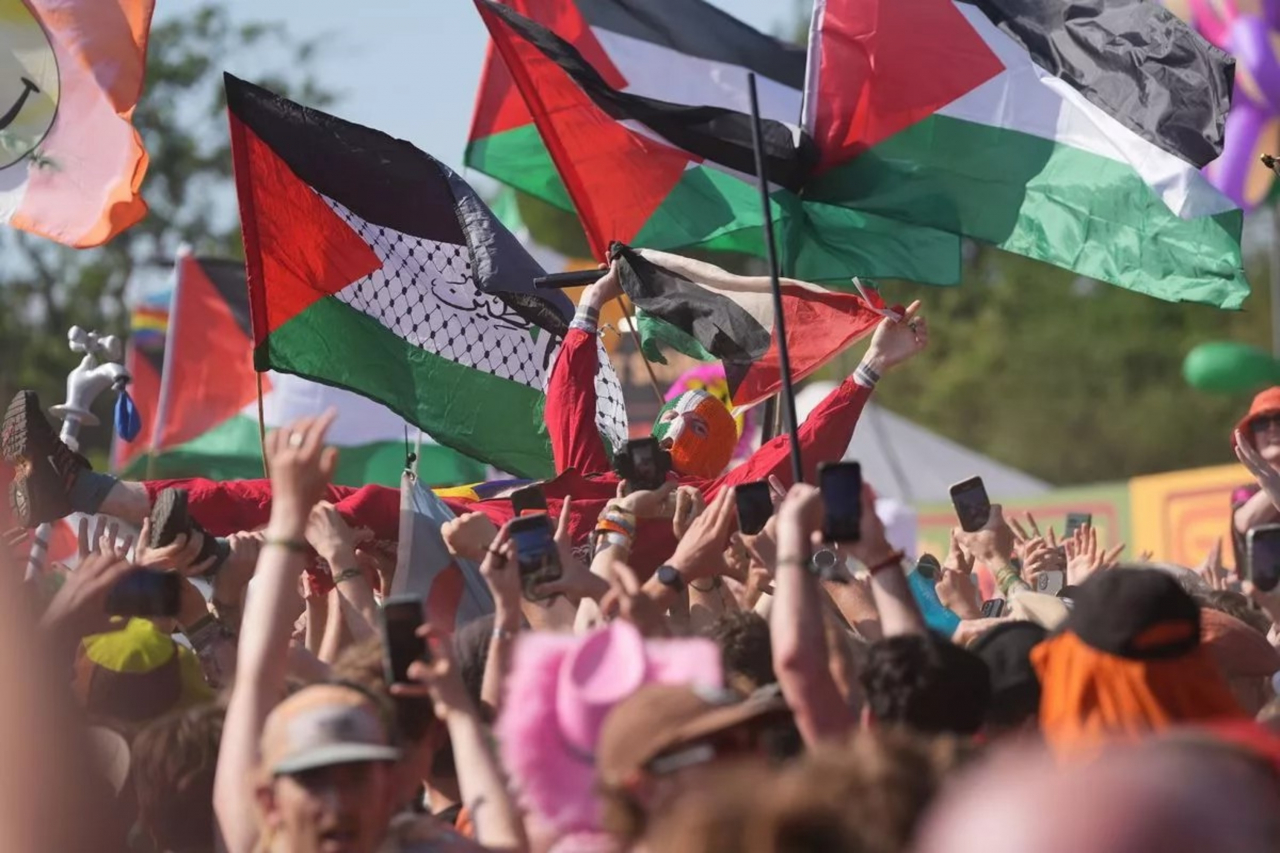
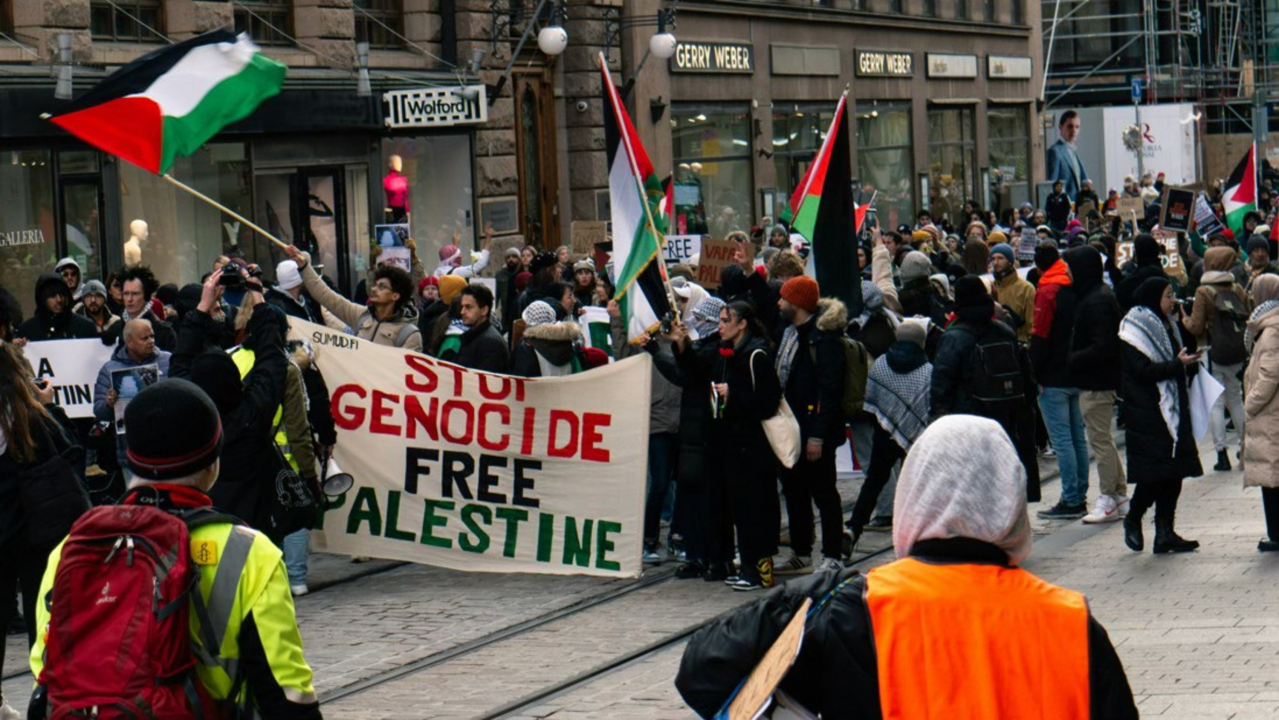
Fanni Surjányi explored the paradox whereby, despite Jews being victims of the October 7th massacre, they are increasingly cast as perpetrators. She argued this inversion can be understood through the link between antisemitism and anti-Zionism. Surjányi underlined the Islamist refusal to acknowledge Israel’s right to exist and warned of jihadist narratives seeping into Western academia and media. She added that Western demonstrators waving Palestinian flags often fail to recognize the ideological forces manipulating them, and that calls for a Palestinian state are not an end in themselves but a vehicle to delegitimize Israel.
Daniel Ben-Ami approached antisemitism from a civilizational perspective, suggesting it stems from casting Jews as the corrupting force behind modernity and progress. He criticized the 2021 Jerusalem Declaration on Antisemitism for being biased in its attempt to balance the identification of antisemitism with protections for free expression on Israel. Ben-Ami argued that reactionary critiques of social progress have seen Jews as embodying evil, and today Israel itself is targeted as a driver of modernization in the Middle East.
One of the central debates of the evening revolved around whether antisemitism and anti-Zionism should be treated as distinct or intertwined. Pipes favored distinguishing between the two, while the other panellists viewed them as inseparable. Discussion also touched on the infiltration of the Muslim Brotherhood into Western institutions, the radicalization of youth, and the need for new intellectual approaches.
Füredi concluded by urging for “hard intellectual work” to break free from established interpretative models and reinvigorate the debate culture around antisemitism.