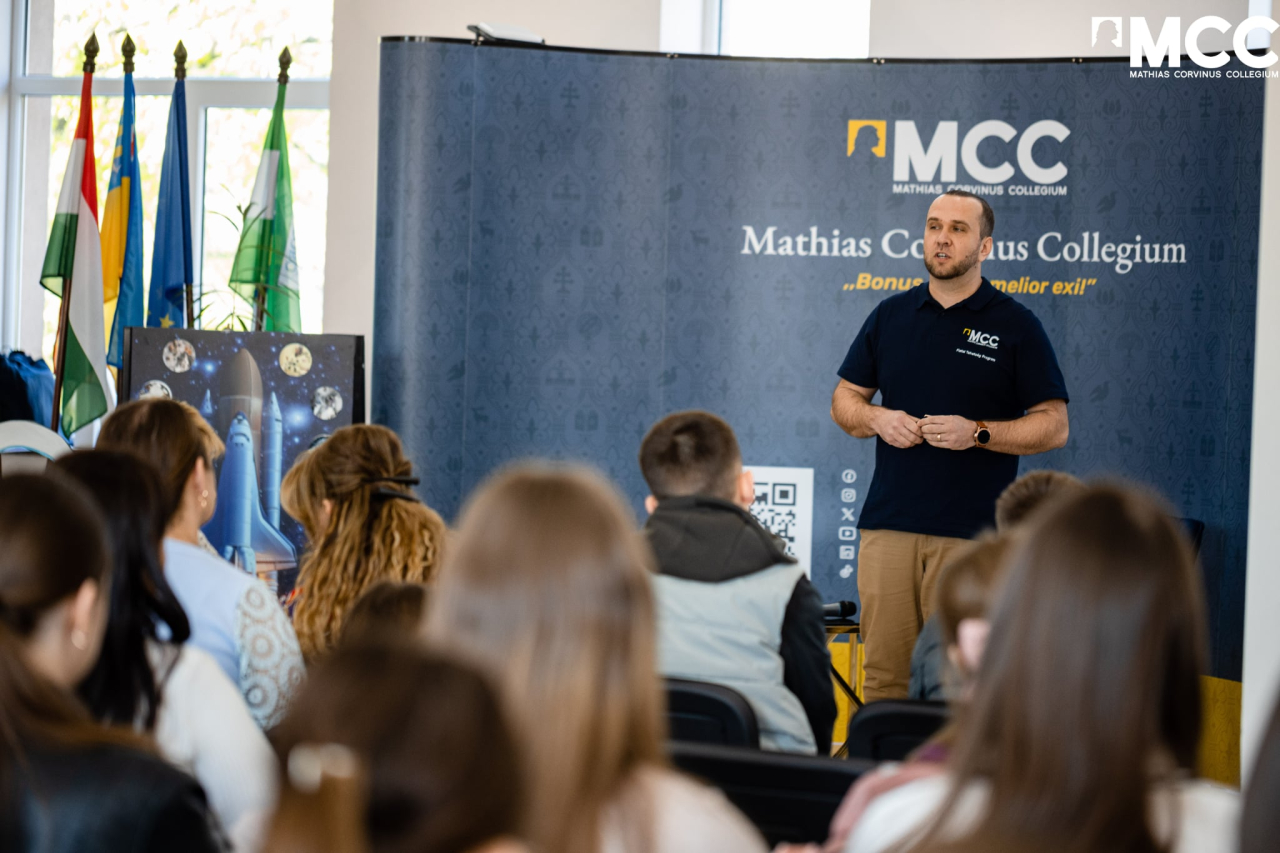
World Space Week is held annually from October 4 to 10, drawing attention to achievements in space exploration and space science while encouraging young people to take an interest in science. This field is also explored in various ways through programs. Students in Youth Talent Program (FIT) can learn about astronomy and space during club sessions and have recently had the opportunity to contribute their own ideas to experiments connected to a Hungarian space mission.
Astronomy can easily capture the interest of upper elementary school students: it is difficult to find a child who has not wondered whether life exists beyond Earth, whether bases could one day be built on the Moon or Mars, or whether resources could be extracted from asteroids. Questions like these can strengthen young people's curiosity about science, while the knowledge they gain in this area can later encourage them to pursue careers in engineering and research.
As part of the CORVUS Project, FIT students had the opportunity to contribute their own ideas to an international initiative. Research astronaut Tibor Kapu carried out six experiments developed by students in space, taking their ideas all the way to the International Space Station. The experiments explored topics including the effects of weightlessness and space radiation, while educational videos created about the experiments were later incorporated into educational materials.
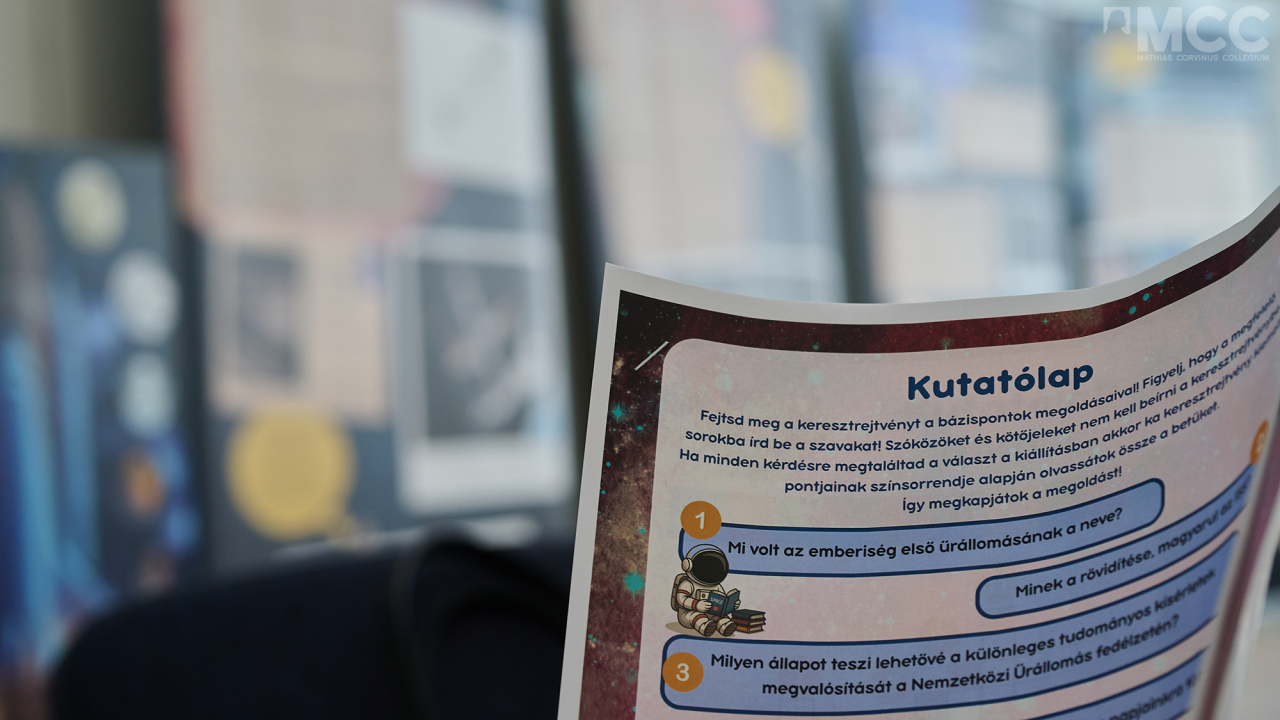
Kapu's mission and the CORVUS Project were also featured in FIT club sessions. Students learned about everyday life aboard the International Space Station and watched video messages that the research astronaut had recorded specifically for MCC from the ISS.
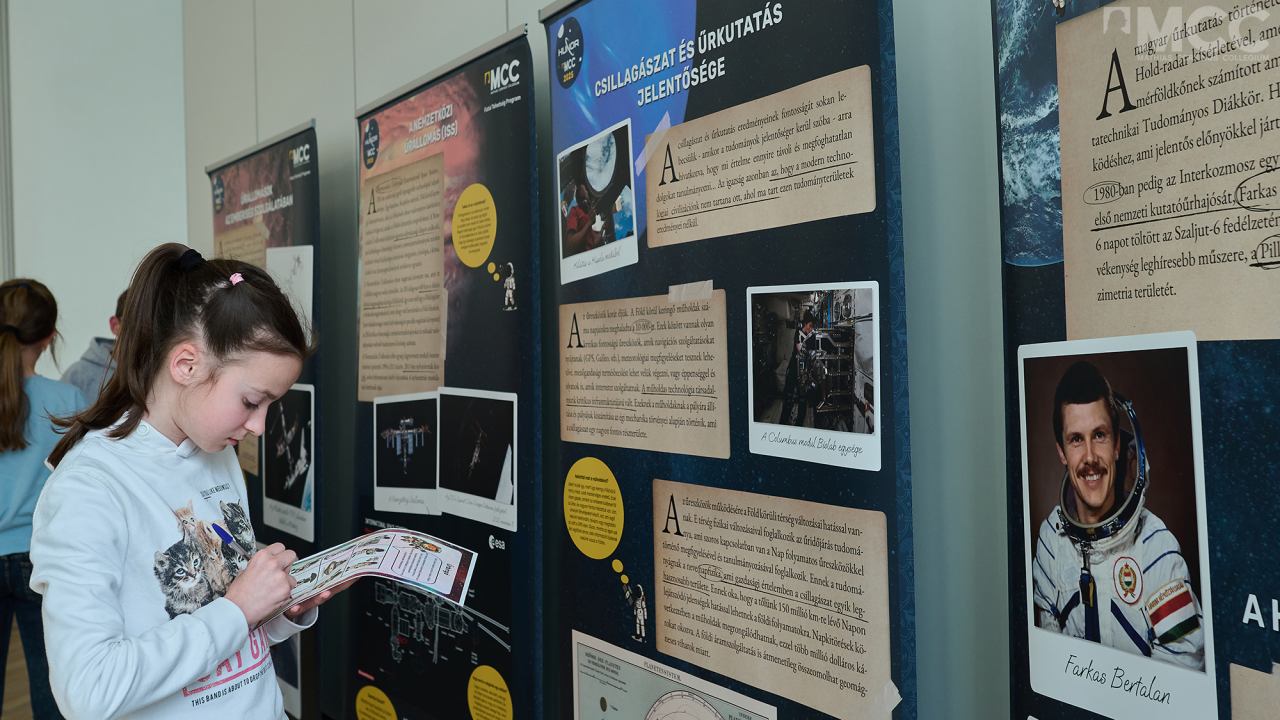
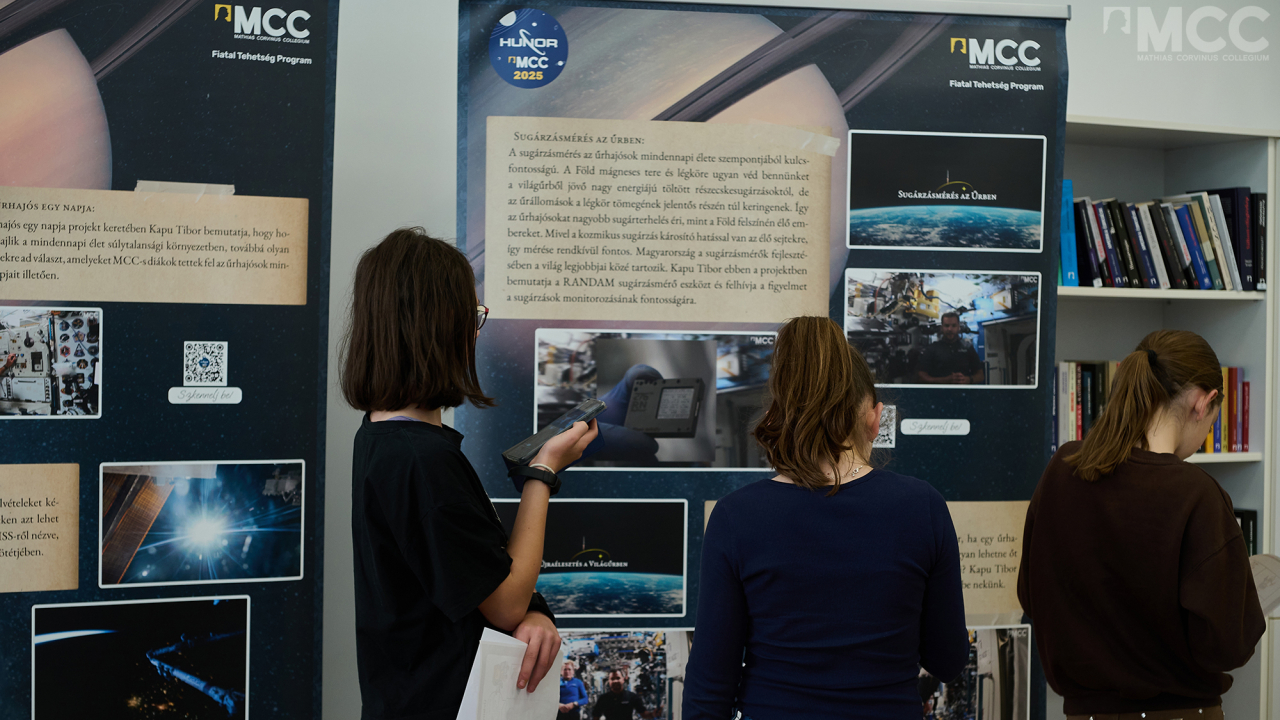
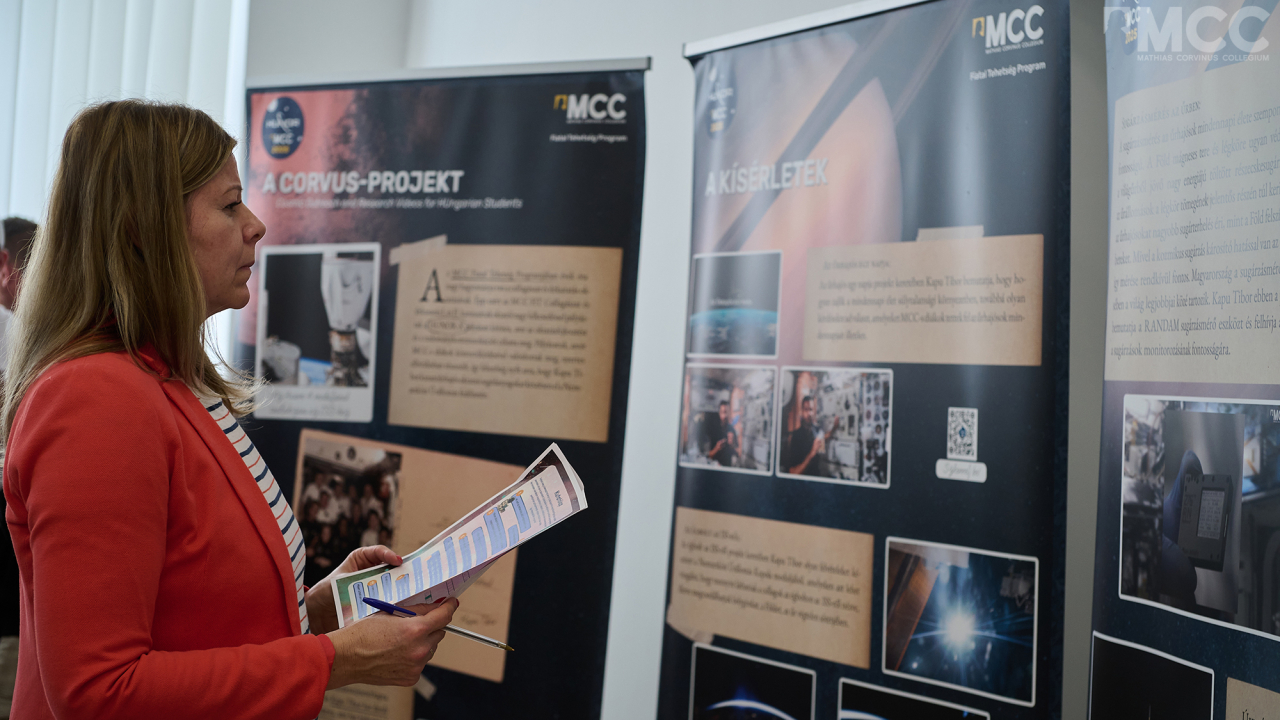
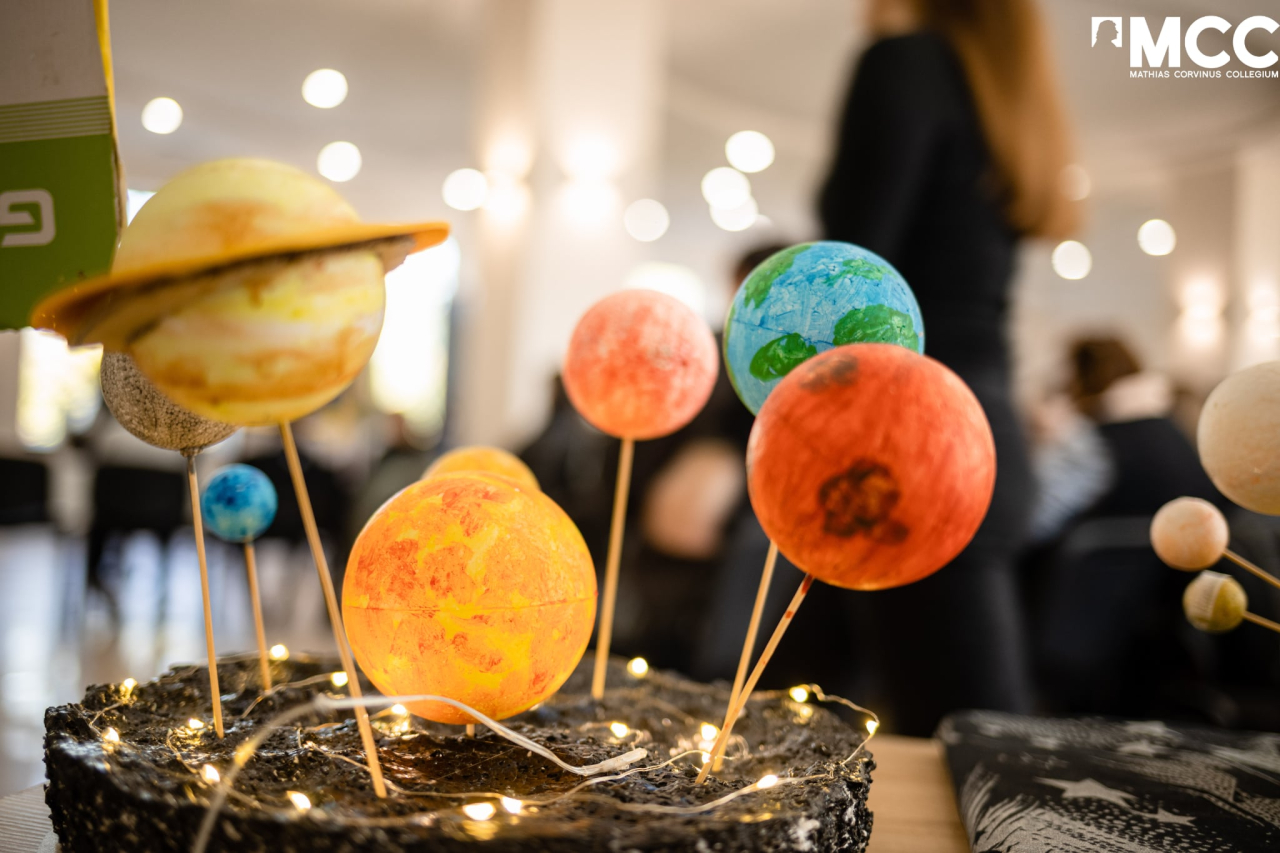
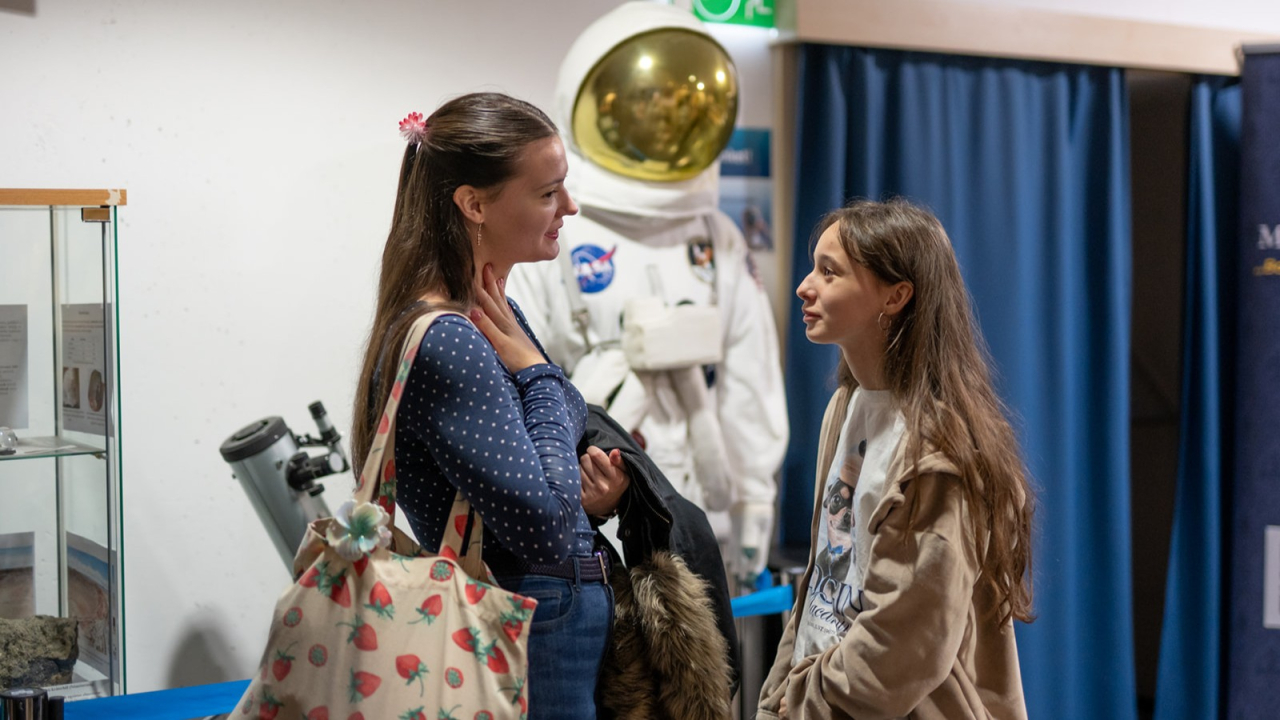
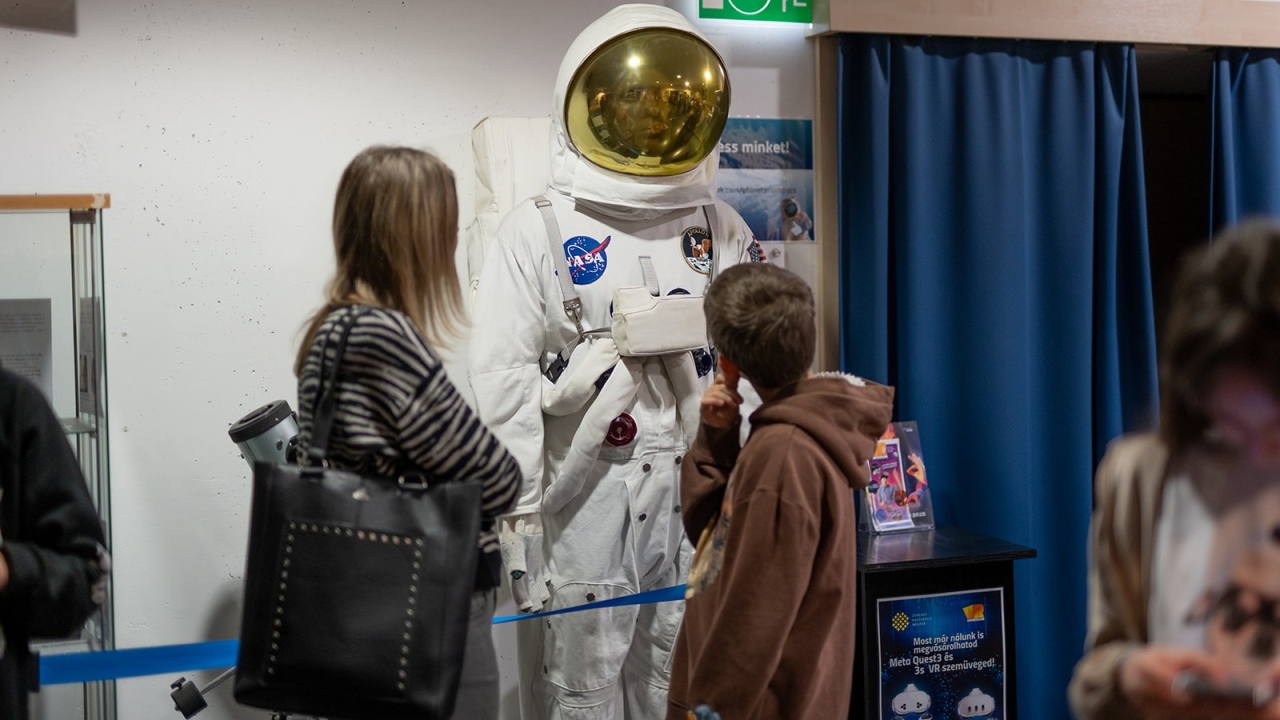
An exhibition presenting the CORVUS Project also traveled to several regional centers. The exhibition presented key milestones in space exploration, from the first space stations through the International Space Station to the HUNOR program, with particular attention given to Tibor Kapu's mission. Through models, videos, and experimental equipment, visitors could gain insight into astronauts' everyday lives and the unique conditions of space.
Today, space exploration is a significant field from scientific, economic, and technological perspectives, with its achievements also having applications on Earth. These programs give young people the opportunity to learn more about this field by building on their curiosity and, in some cases, to apply their knowledge to real projects. The ideas developed by students that ultimately reached space are one example of where this kind of curiosity can lead.