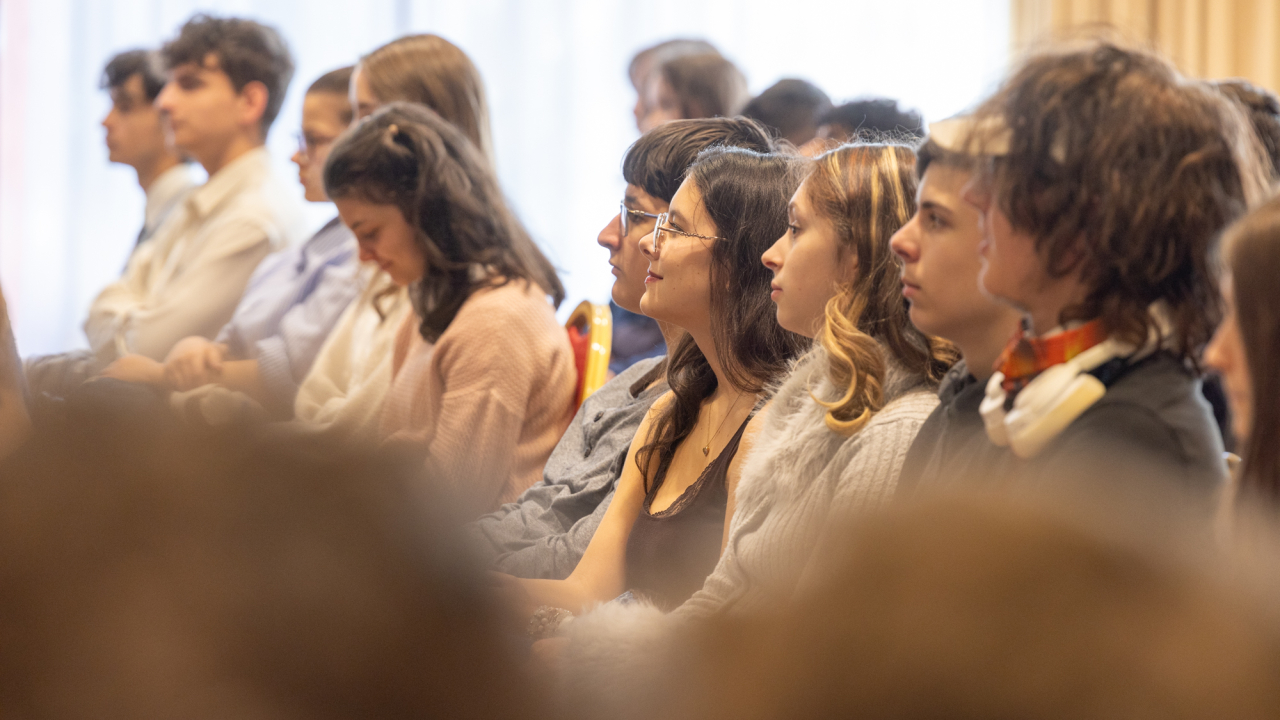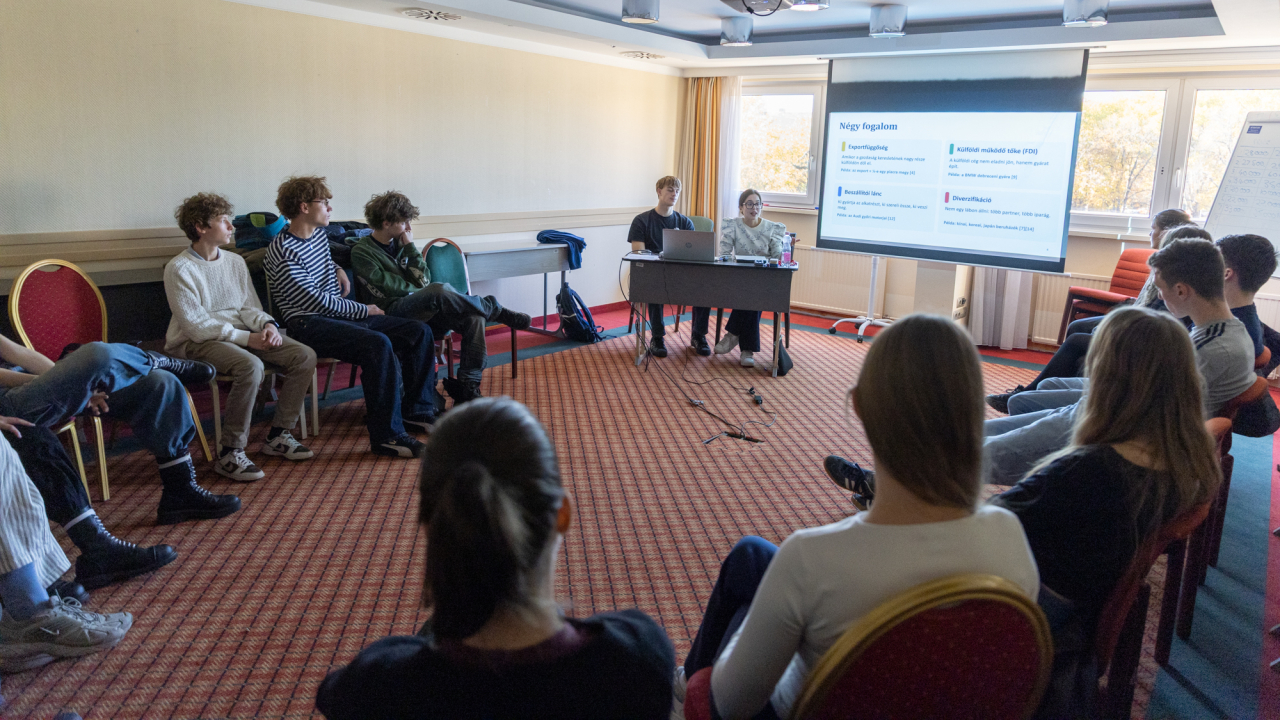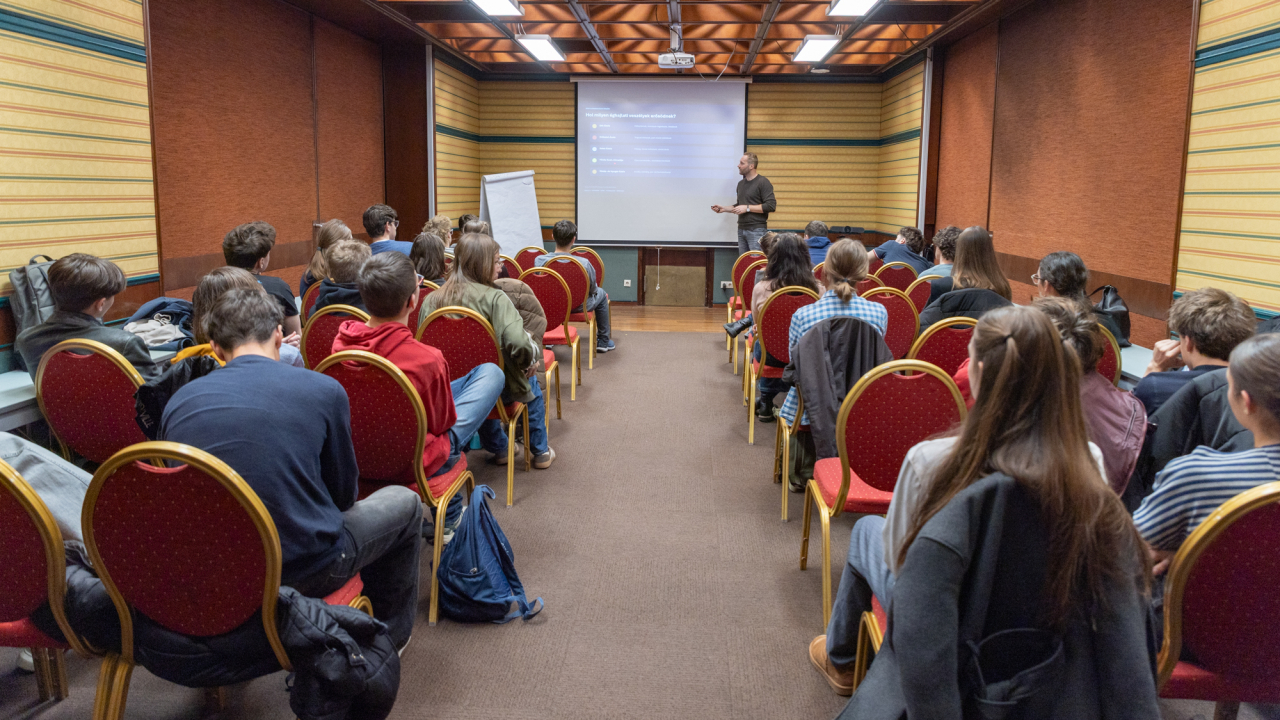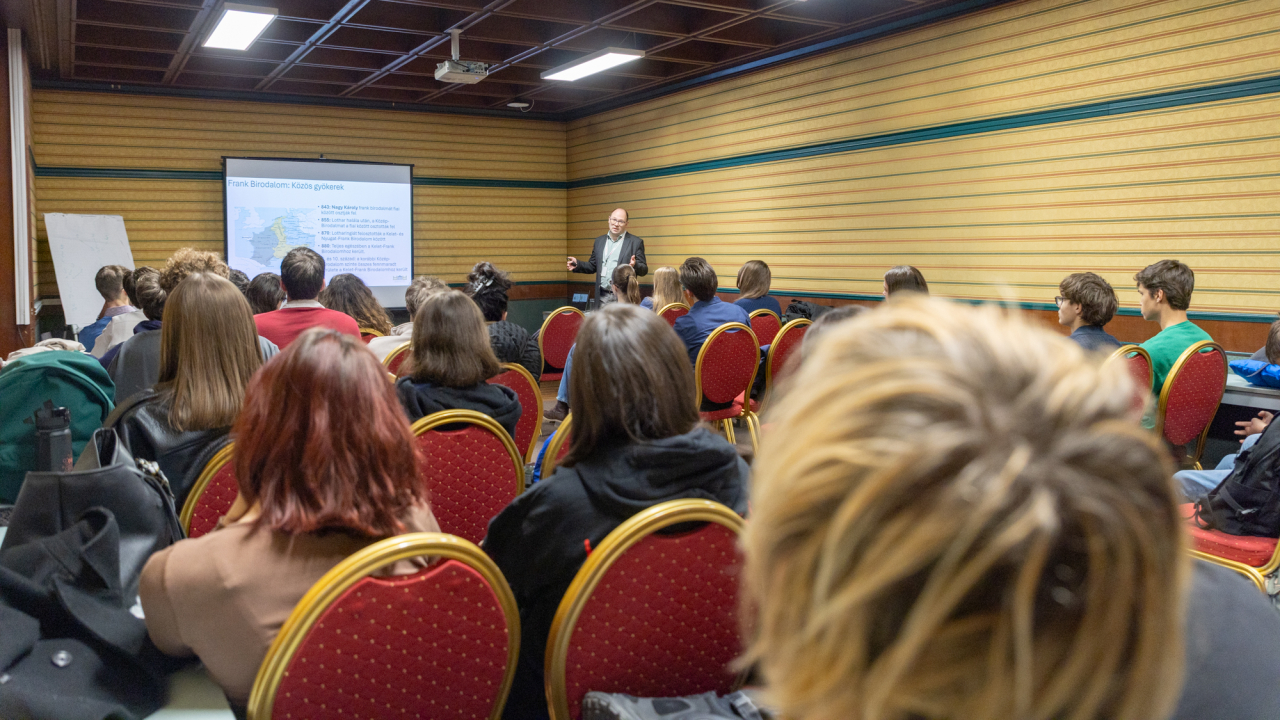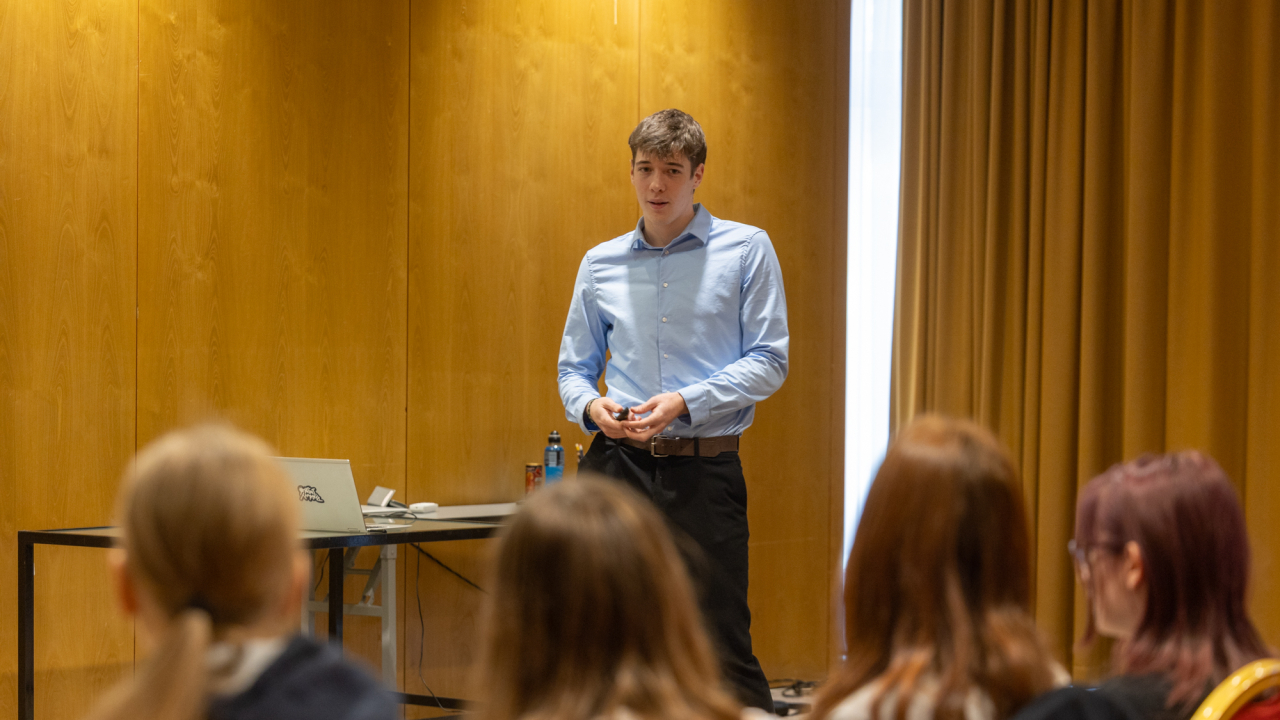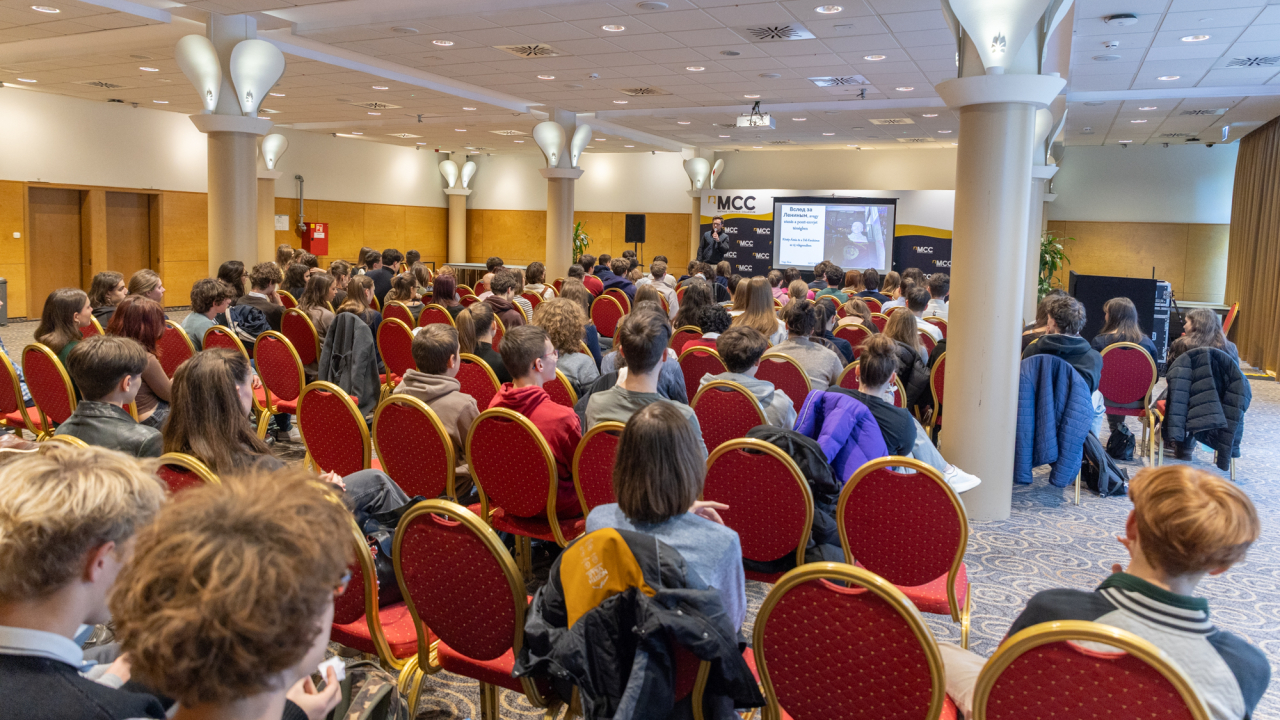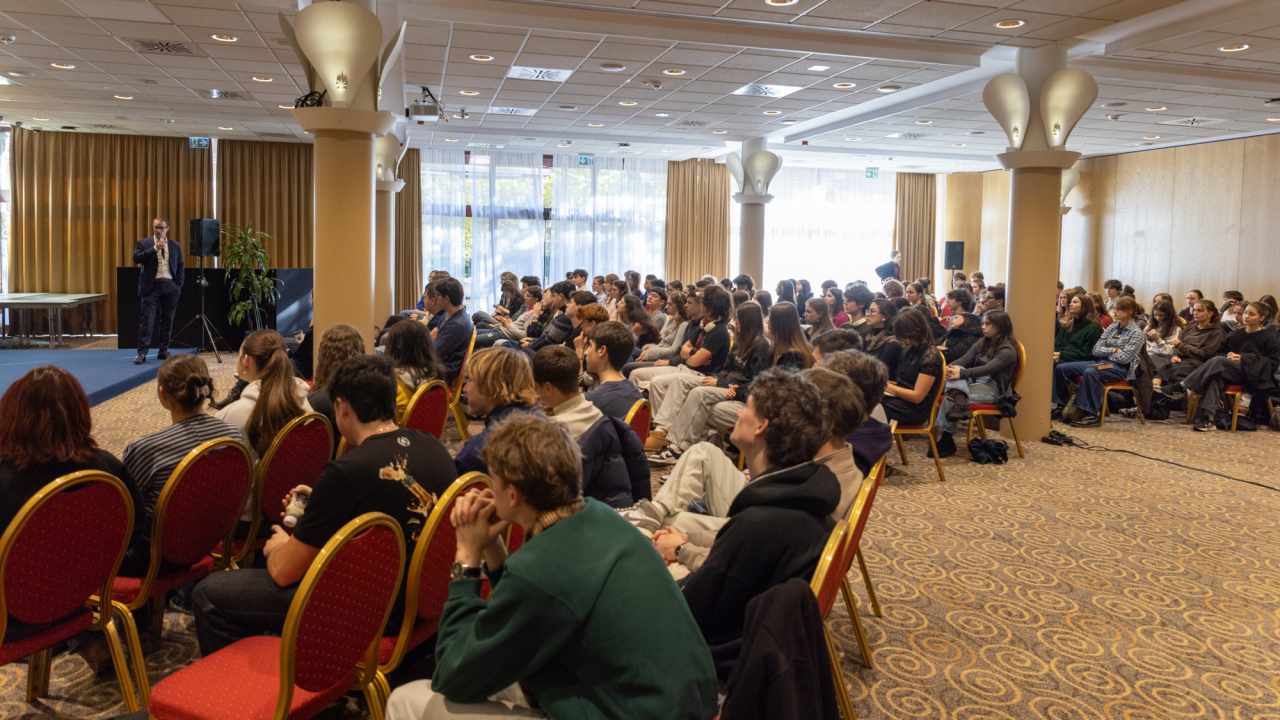
From cultural traditions and technological developments to geopolitics and East Asian pop culture, the November edition of KP Saturday in Budapest covered a wide range of topics. Students from the High School Program (KP) explored Asia’s diversity and its role in shaping the world today.
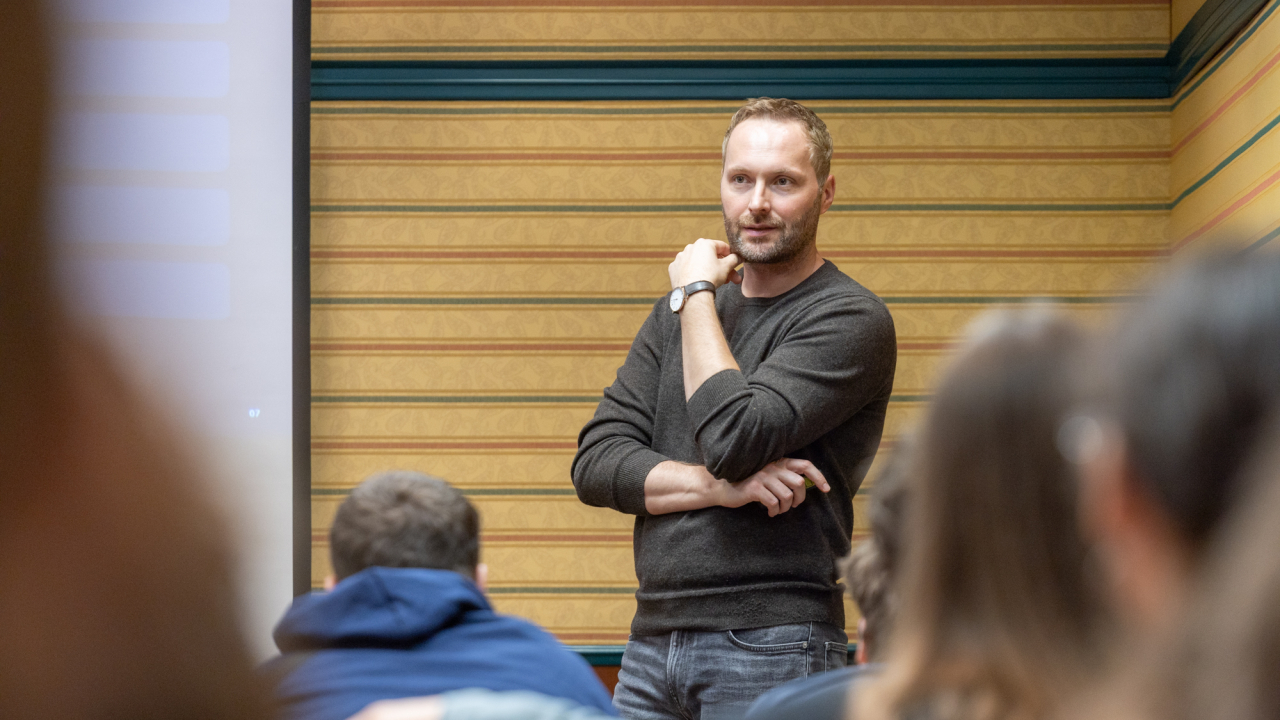
In his lecture, Dr. Levente Horváth introduced students to Chinese culture, ways of thinking, and communication practices. He explored how trust, mutual respect, communication, and etiquette are closely connected in everyday interactions and business relationships.
The program also addressed contemporary issues, including electric vehicles, artificial intelligence, and renewable energy. These examples highlighted the rapid changes taking place across the region, as well as the opportunities and environmental challenges associated with technological progress. Students also learned about Kazakhstan, Uzbekistan, and Georgia, exploring not only their geopolitical significance but also everyday life in these countries through personal travel accounts that offered a less familiar perspective.
The region’s influence extends beyond economics and international politics. Discussions on the global popularity of Korean and Japanese pop culture examined how local cultural phenomena become international trends and the economic and political factors that may contribute to their success. Other sessions covered a broader range of issues, including the relationship between the European Union and nation-states, Germany’s international relations, East Asia, and the situation of the Kurdish people.
Throughout the day, students had the opportunity to discover lesser-known aspects of Asia and explore countries, cultural trends, and issues they may not often encounter in their daily lives. Events such as KP Saturday allow students to engage with subjects beyond the traditional school curriculum and develop a deeper understanding of a wide range of topics.